

Maha Puja is a festival that gives the message of respect to the body and self-protection: Gyan Ram Shrestha
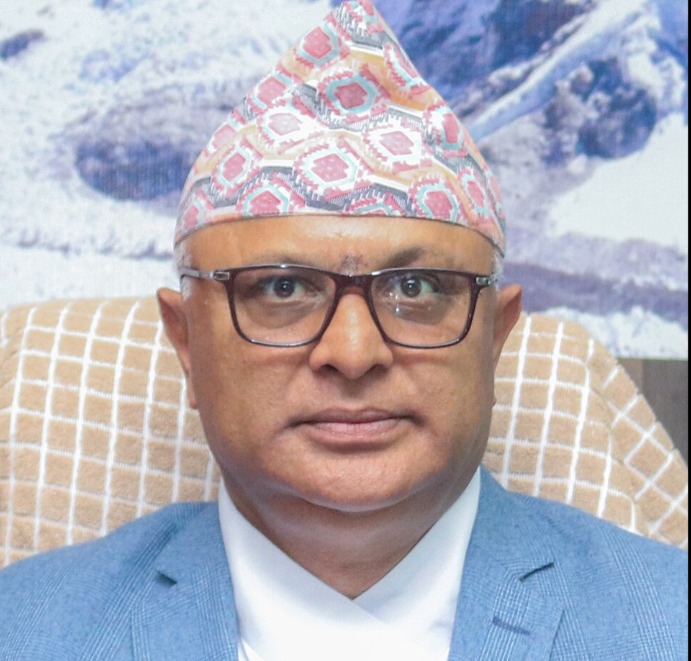
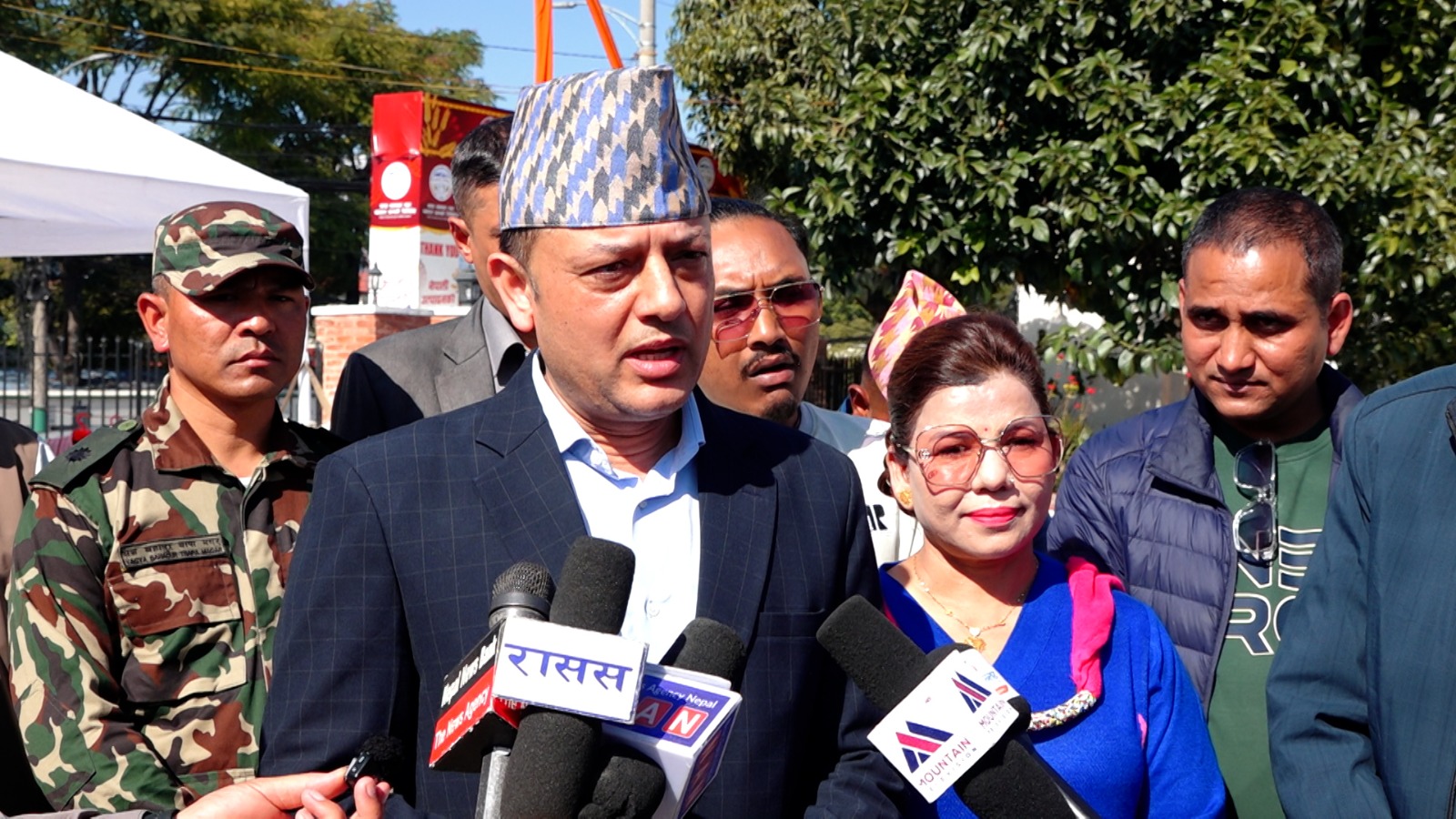
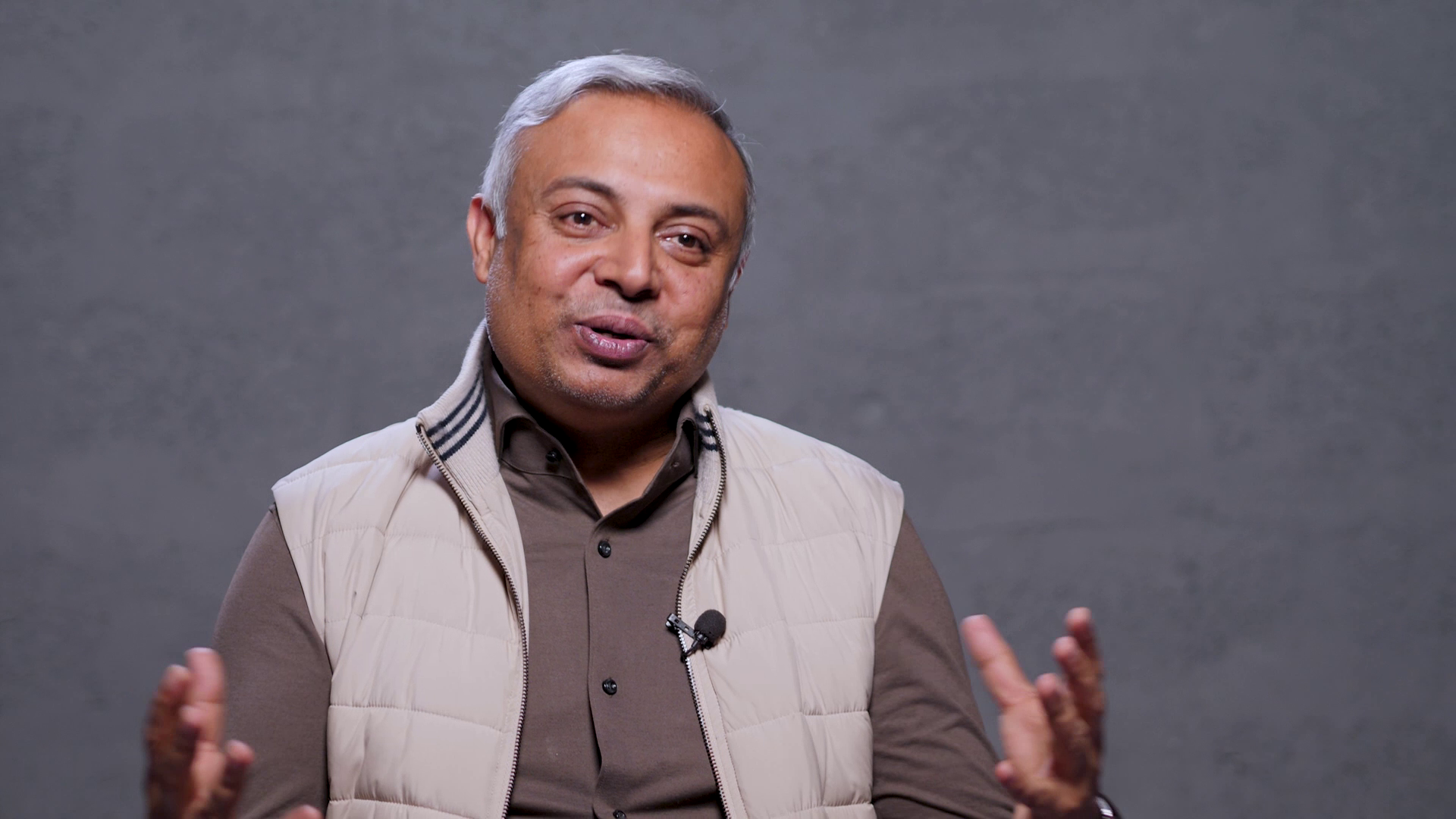
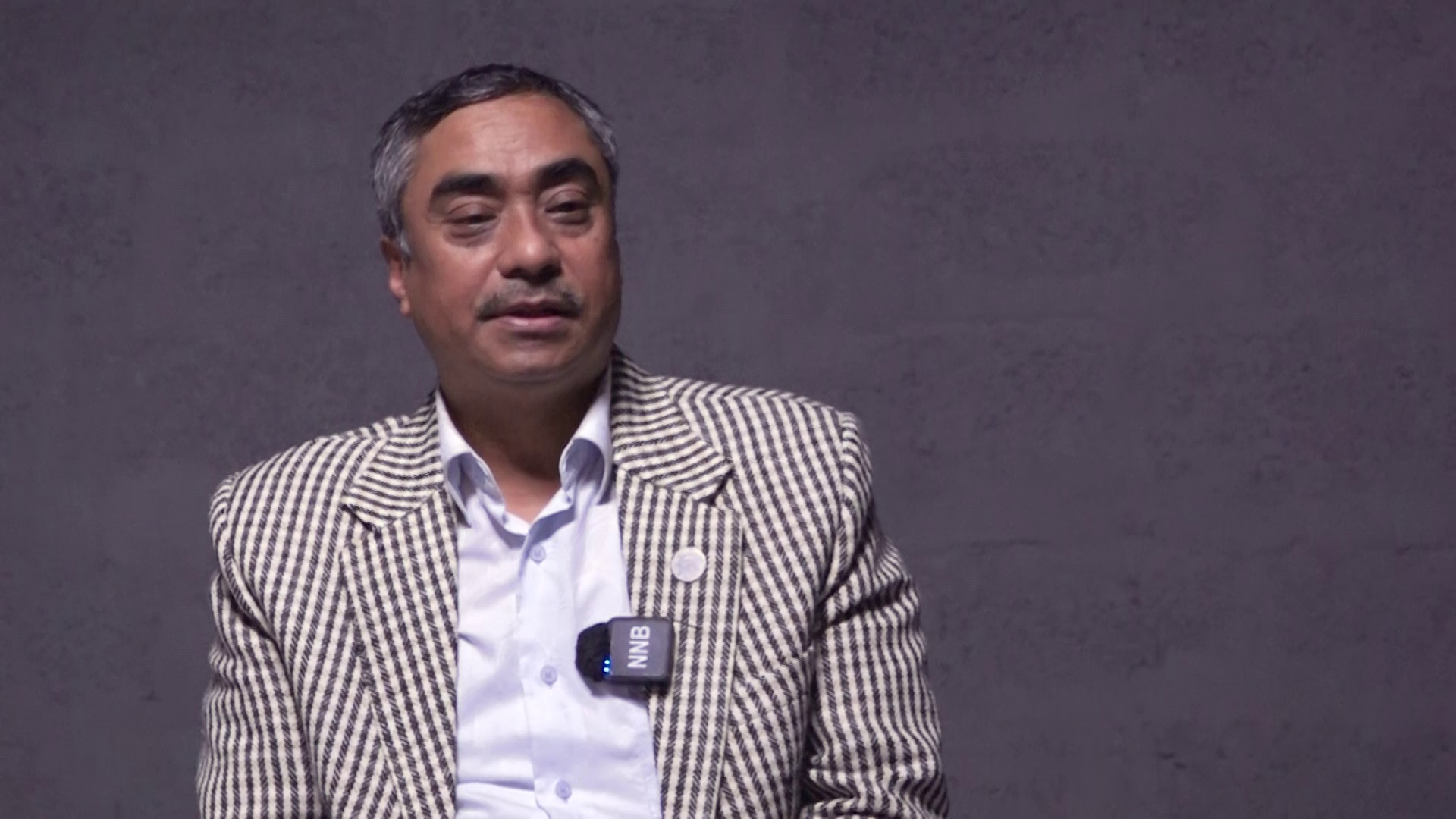
Kathmandu. According to Gyan Ram Shrestha, president of the National Luminary Shankhadhar Sakhwa Foundation, Maha Puja is celebrated on the first day of the new year as per the Nepal Sambat.
Talking to Nepal News Bank, Shrestha said that Maha Puja should be understood not only as a religious ritual and tradition but also from its scientific, social and knowledge-based aspects. According to him, Maha Puja is the original Newari culture that encourages people to understand the importance of their body and keep themselves healthy and safe.
‘The meaning of honey is the body. In Nepal Bhasa, the word ‘honey’ has its own meaning. Letters and words that are not in the Nepali alphabet are also present in other languages. Therefore, ‘Maha Puja is the worship of the body,’ he said.
He said that to understand the importance of Maha Puja, along with its religious aspect, it should be linked to the development of human civilization and the lifestyle of people. Stating that people have been doing various practices to make their lives happy, contented and organized, he said that Maha Puja is also an expression of that philosophy of life.
‘We should not look only as blind devotees. We should also look at it from the point of view of science and knowledge. Why is Maha Puja done? We have always been doing it, but it is necessary to understand why we should do it. This seemingly ordinary festival is very important from the point of view of knowledge,” Shrestha said.
According to him, the lifestyle of human beings has been changing with the development of human civilization. From the hunter-gatherer era to the age of modern technology, humans have adopted different ways of living. However, in any time and situation, the body is the basis of human life, so its importance remains the same.
He said that the Maha Puja is also associated with the agricultural system. In this festival, which is celebrated with the time of paddy in Nepal’s agricultural system, various items produced by the farmers are used as worship materials. He said that it will also show the relationship between human life and agricultural production.
‘After all the work is done, Maha Puja is performed at the time of harvesting paddy. Nepal’s system is an agricultural system. To worship one’s body is to respect the basis of one’s survival,” he said.
He also described the mandap to be built on the day of Maha Puja as a structure of cultural and knowledge-based importance. He said that the puja performed in the mandap by placing agricultural products such as rice, rice, rice, fruits, etc., will reflect the agricultural lifestyle and production of the contemporary society.
According to him, the material kept in the mandap is not only for worship but also for the display of the things produced by man. Putting agricultural products together highlights the relationship between nature, production and human life.
“We put the produce that we have in the agricultural system as an exhibition there. We worship our body by putting rice, rice and fruits in front of us. The mahapuja is also like an exhibition of our agricultural system and products,” he said.
Shrestha says that the lamp lit in the Maha Puja also has a special meaning. He says that the lamp removes darkness and gives light, so it can be understood as a symbol of positive life and energy. He said that lighting a lamp while worshiping the body, placing agricultural products in front of the agricultural produce and completing various rituals will make people aware of their existence and life.
He stressed that the religious significance of Mahapuja should not be denied, but it should not be understood by limiting it to religion. He said that the main message of this festival is that people should stay healthy, take care of their bodies and move forward in life with satisfaction.
“When we are sick, we take medicine and go to the hospital so that we do not have any problem. In the same way, it is a tradition to worship ourselves with the wish that there should be no disturbance in our life and that we can live healthy,” he said.
According to Shrestha, the concept of Ashtamatrika is also important in Maha Puja. Stating that Ashtamatrika can be understood by connecting it with security, he said that protection and protection are wished for in Newari culture through various religious and cultural methods.
Symbols and rituals including Ashtamangal also highlight various aspects of this culture, he said.
He said that Maha Puja is the original festival of the Newar community and its tradition is not limited to Nepal. He said that the people of the Newar community who have gone abroad for employment, study and various reasons also celebrate Maha Puja by continuing their culture and identity.
‘Wherever the Newars have gone in the world, they are doing their maha puja. There is a tradition of worshiping their maha puja even if they are unable to do anything. This puja is also done to give the message that they should live and protect their body,” he said.
He pointed out the need to pass on the Maha Puja from generation to generation and take its real meaning and importance to the new generation. He said that the cultural value of the tradition would be further established if the knowledge, philosophy of life and social significance behind it could not be limited to the practice of completing the rituals.
Shrestha said that Mahapuja should be taken as a festival to explain the relationship between health, self-respect, agricultural production, nature and human life along with religious faith. He said that Mahapuja is an important cultural heritage of the Newar community with the message of respecting oneself and being responsible towards one’s life.

 प्रतिक्रिया दिनुहोस्