

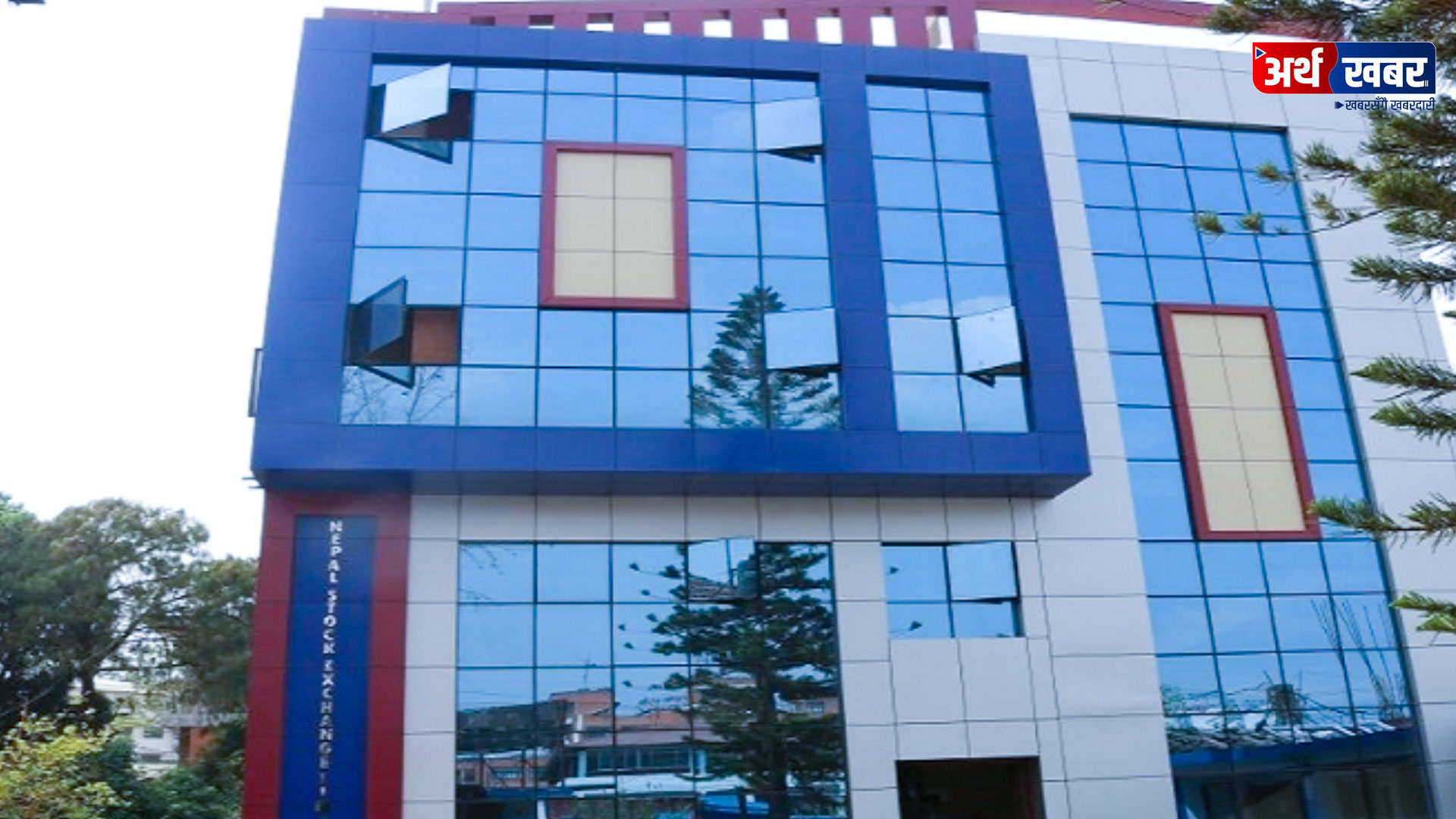
Kathmandu. Now, the share price can fluctuate by up to 15 percent in a single day. NEPSE is going to implement this new system after the Securities Board of Nepal (SEBON) approved the ‘Securities Trading Operation (Fourth Amendment) Bylaw, 2082’.
As per the new provision, the share price of listed companies can fluctuate up to 15 percent in a single day. Earlier, this limit was only 10 percent. According to NEPSE, this limit has been increased to make the market more dynamic and to make the pricing process realistic. According to the new policy, the price limit of the pre-open session before the market opening has also been changed. The limit has been increased to 5 percent from 2 percent earlier. This is expected to control the unusual fluctuations that occur as soon as the market opens.
Similarly, the circuit breaker system based on NEPSE index has also been simplified. Now, there will be only two layers of circuit breakers instead of three layers. If the market index fluctuates by 5 percent within two hours of the commencement of trading, the trading will be stopped for 15 minutes. If the index fluctuates by 8 percent, all trading on that day will be stopped. Earlier, there was a complex circuit system of three layers of 4, 5 and 6 percent. The new system aims to ease the trade by reducing market barriers.
Likewise, the Securities Board of Nepal (SEBON) has introduced a new system to make the initial public offering (IPO) process more transparent and credible. The board has revised the criteria for reviewing the details of the companies submitted for the IPO from April 1. According to the new system, the financial condition and criteria of the companies applying for the IPO will now be mandatorily reviewed by an accounting expert.
According to the criteria, the Securities Board of India (SEBON) will examine the audited details of the companies for the last three years. If more than 75 percent of the company’s total sales are yet to be collected, it will be reviewed. This rule will be applicable if the amount received in the manufacturing sector is 75 percent and in the hotel and tourism sector is more than 50 percent. The board has also set separate financial indicators for different sectors. – News Agency Nepal

 प्रतिक्रिया दिनुहोस्