

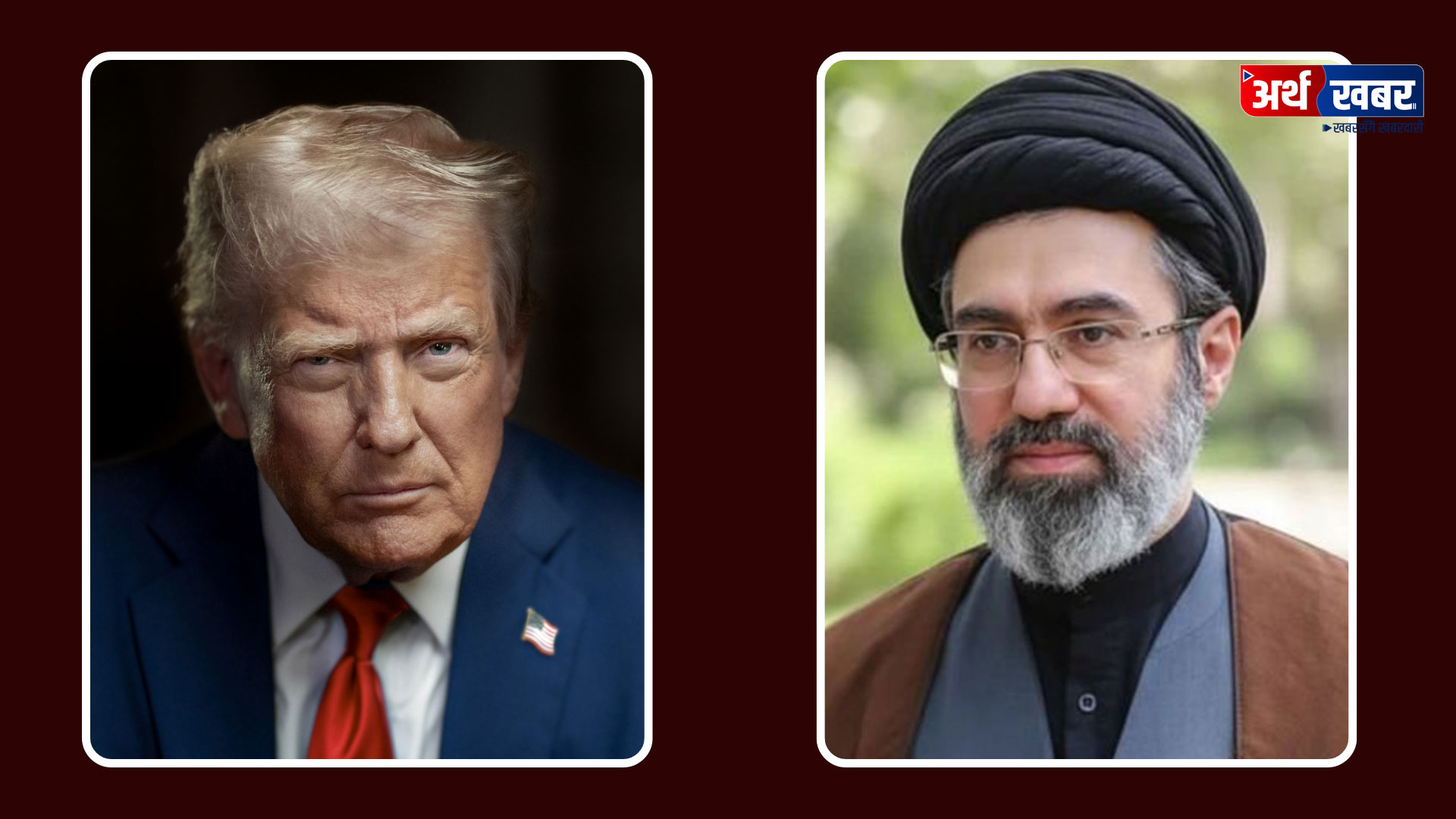
Kathmandu. Diplomatic talks between the United States and Iran have reached a critical juncture after Iran insisted on releasing frozen assets at an early stage. According to The Jerusalem Post, Iran has demanded that the cash of billions of dollars worth of frozen assets be made available in the first phase of the deal.
In recent days, international mediators have tried to reach a consensus, but there has been no significant progress. Iran’s negotiators have insisted that the money should be released in the first phase before any concrete steps can be taken. Washington has said it will not make any economic concessions without significant progress on its nuclear programme and the Strait of Hormuz. However, US President Donald Trump has said that talks with Iran are going in a positive direction. Speaking to reporters at the White House, he said there was no certainty about whether a deal would be reached, but that an agreement could be reached in the near future.
Trump also reiterated that the US wants to take control of Iran’s enriched uranium stockpile. According to him, only the United States and China have the capacity to handle this material safely. The regional security situation has become more tense. At least one person has been killed and 63 others injured in an attack at Kuwait International Airport. It was the first deadly incident in the Gulf since the ceasefire came into effect on April 8.
India’s Ministry of External Affairs (MEA) confirmed that the deceased was an Indian national and condemned the attack on civilian infrastructure. Kuwaiti Defense Ministry spokesman Saud Abdulaziz al-Atwan said 30 ballistic missiles and drones were used to attack the airport, causing extensive damage to the airport building. Iran’s Islamic Revolutionary Guard Corps (IRGC) has denied any involvement in the attack. The IRGC said the damage was caused by a malfunction in the US-made Patriot air defence system.
The U. S. military’s Central Command (CENTCOM) said it had foiled missile and drone attacks from Iran. According to CENTCOM, two missiles fired at Kuwait were neutralized before reaching their intended targets, while three missiles aimed at Bahrain were intercepted by US and Bahraini security forces. Meanwhile, despite regional tensions, positive progress has been made on another diplomatic front. Israel and Lebanon have agreed to implement a ceasefire after the latest US-brokered talks.
The joint statement said that for the ceasefire to be fully implemented, Hezbollah must cease all attacks and withdraw all its fighters from southern Lebanon. The agreement comes after Israel warned of possible military action in Lebanon. The Iran-US talks, the escalating security challenges in the Gulf region, and Israeli-Lebanon ceasefire efforts have made the political and security situation in the Middle East more sensitive. ANI

 प्रतिक्रिया दिनुहोस्