

Polio eradication campaign in Pakistan is becoming more challenging
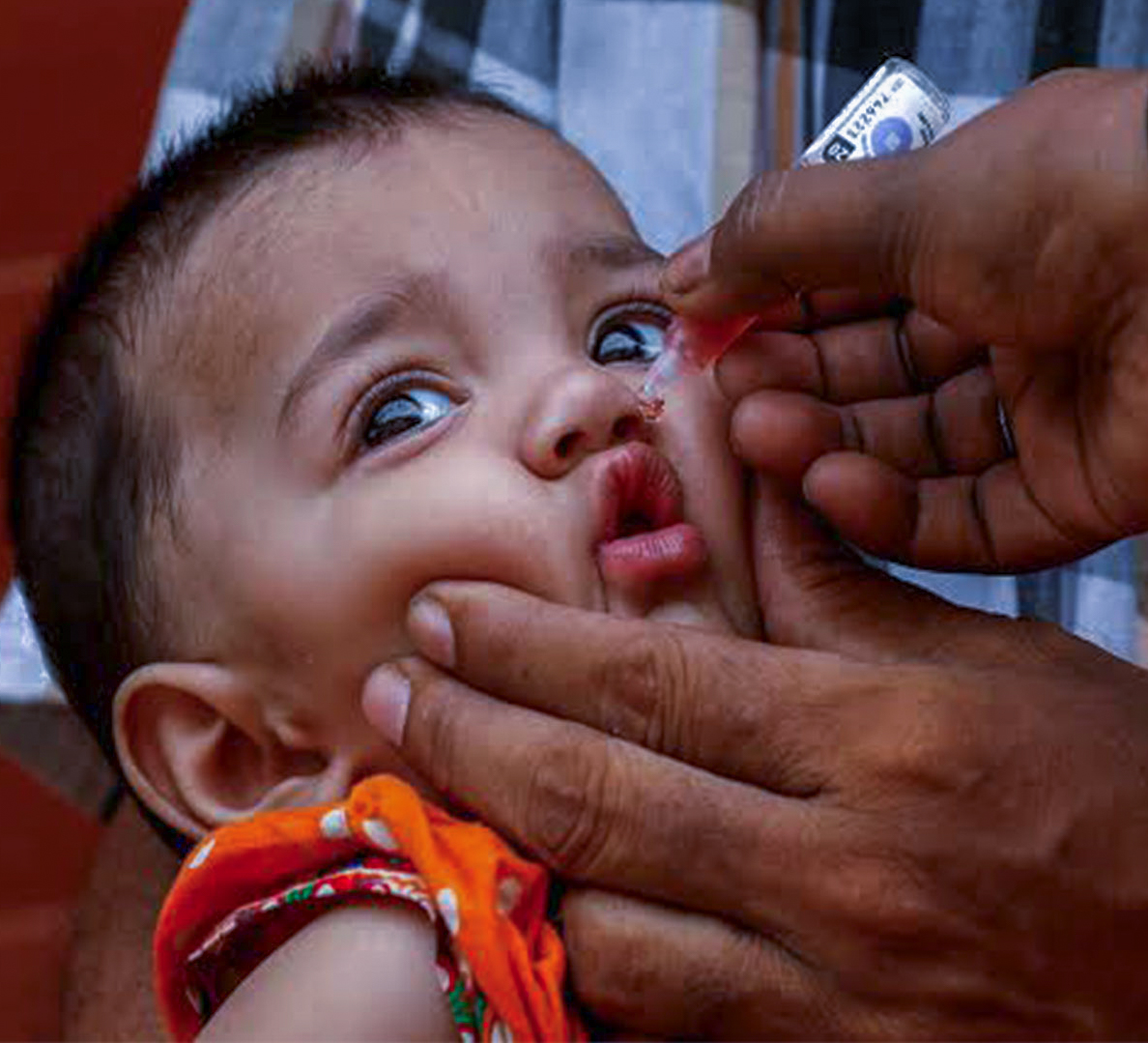
. The polio eradication campaign in Pakistan is becoming challenging due to the public’s rejection of the vaccination campaign and the distrust of government health institutions. In 2026 alone, nine cases of polio were confirmed in Pakistan.
On November 6, a seven-month-old boy in Khyber district was confirmed to be infected with polio, taking the total number of cases this year to nine. Seven of the confirmed cases this year have been reported in Khyber Pakhtunkhwa province.
According to Pakistan’s media Dawn, efforts have been made to eradicate polio for almost three decades. For this, billions of US dollars have been received from the international community and more than four lakh vaccine workers have been deployed. Despite such a long effort, Pakistan has not been able to eradicate polio.
The problem of polio eradication is not limited to the availability of vaccines and geographical difficulties, Dawn reported. The main challenge of the campaign is the lack of public trust in government agencies and health services. Security challenges, population movement, remote geographical conditions, misinformation and reluctance to vaccinate are hampering the vaccination campaign.
However, the repeated refusal of vaccines from the community where the vaccination team regularly visits shows that the distrust of government institutions is deep. There is dissatisfaction with government health services, especially among communities deprived of access to basic health services, maternal health services, routine child immunizations and clean drinking water. For some families, polio vaccinators are among the limited government representatives who reach their homes. However, there is a perception in the community that they have only prioritized the polio vaccination campaign, ignoring other health problems, Dawn said.
Dawn quoted a report in the British Medical Journal published in December 2023 as saying that the jirga of the tribal community in South Khyber Pakhtunkhwa had decided to boycott the vaccination campaign 677 times that year alone.
These communities have used the vaccine boycott as a means of pressure to meet their demands for electricity, roads, employment and civic amenities. Pakistan’s polio program has also admitted that some communities boycott the vaccination campaign to solve local problems.
There are various shortcomings within the team conducting the vaccination campaign, Dawn reported. The campaign has not been effective due to lack of adequate availability of women vaccinators, frequent change of staff and lack of necessary training.
To reduce the resistance of the community to the vaccination campaign, it has been suggested that trusted people should be involved at the local level and effective communication with the public. It also pointed out the need to integrate the emergency vaccination campaign for polio eradication with the provincial health system. Dawn believes that efforts to eradicate polio will be effective if immunization infrastructure, trained manpower and disease surveillance system are made part of permanent public health services.
The challenge of eradicating polio in Pakistan is not limited to the delivery of vaccines but also to the trust in health care, expansion of basic services and addressing the needs of the local community. ANI

 प्रतिक्रिया दिनुहोस्