

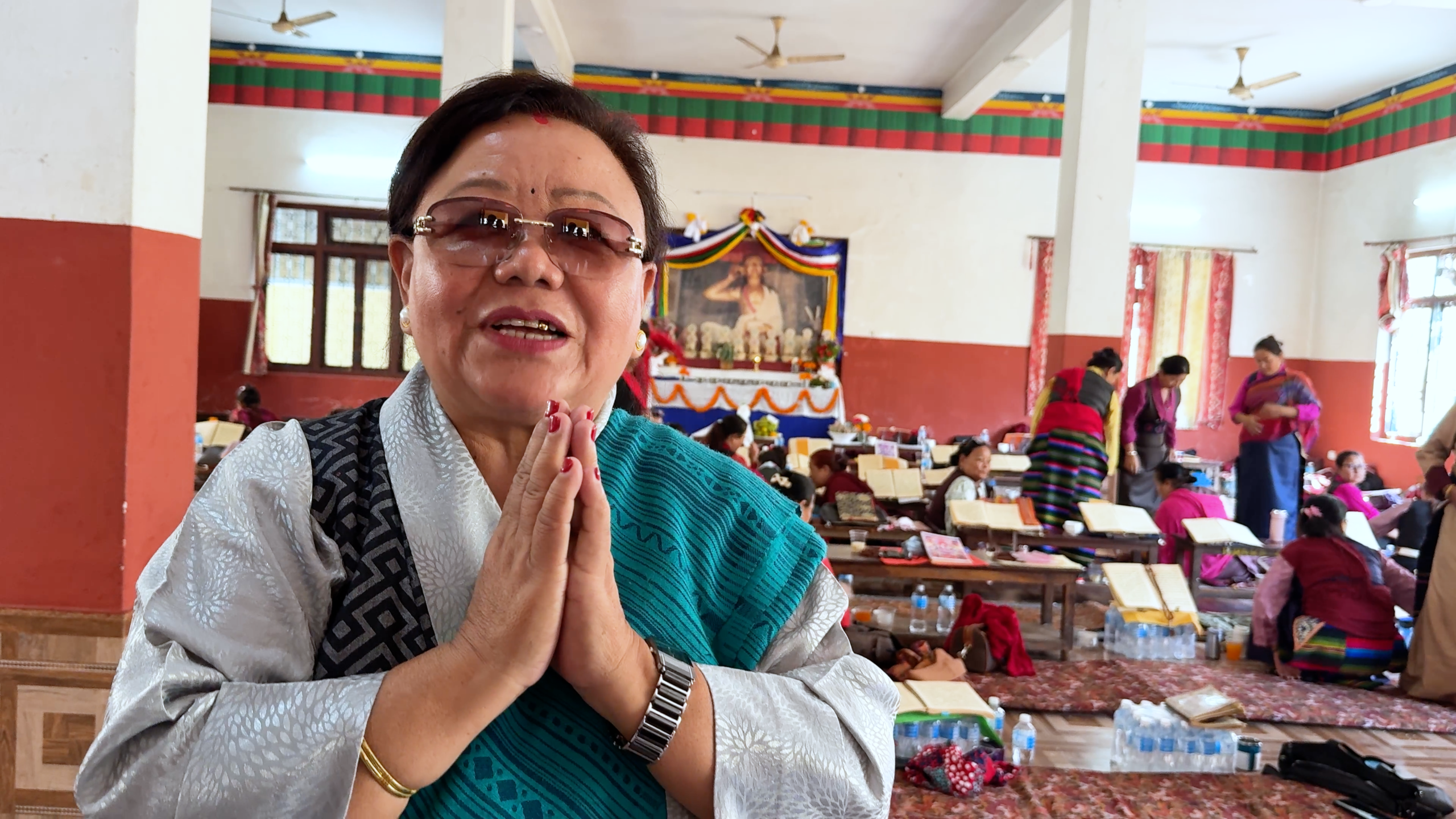
According to Buddhist traditions, the soul will not find peace if it is not gheva: Artist Doma Hyolmo
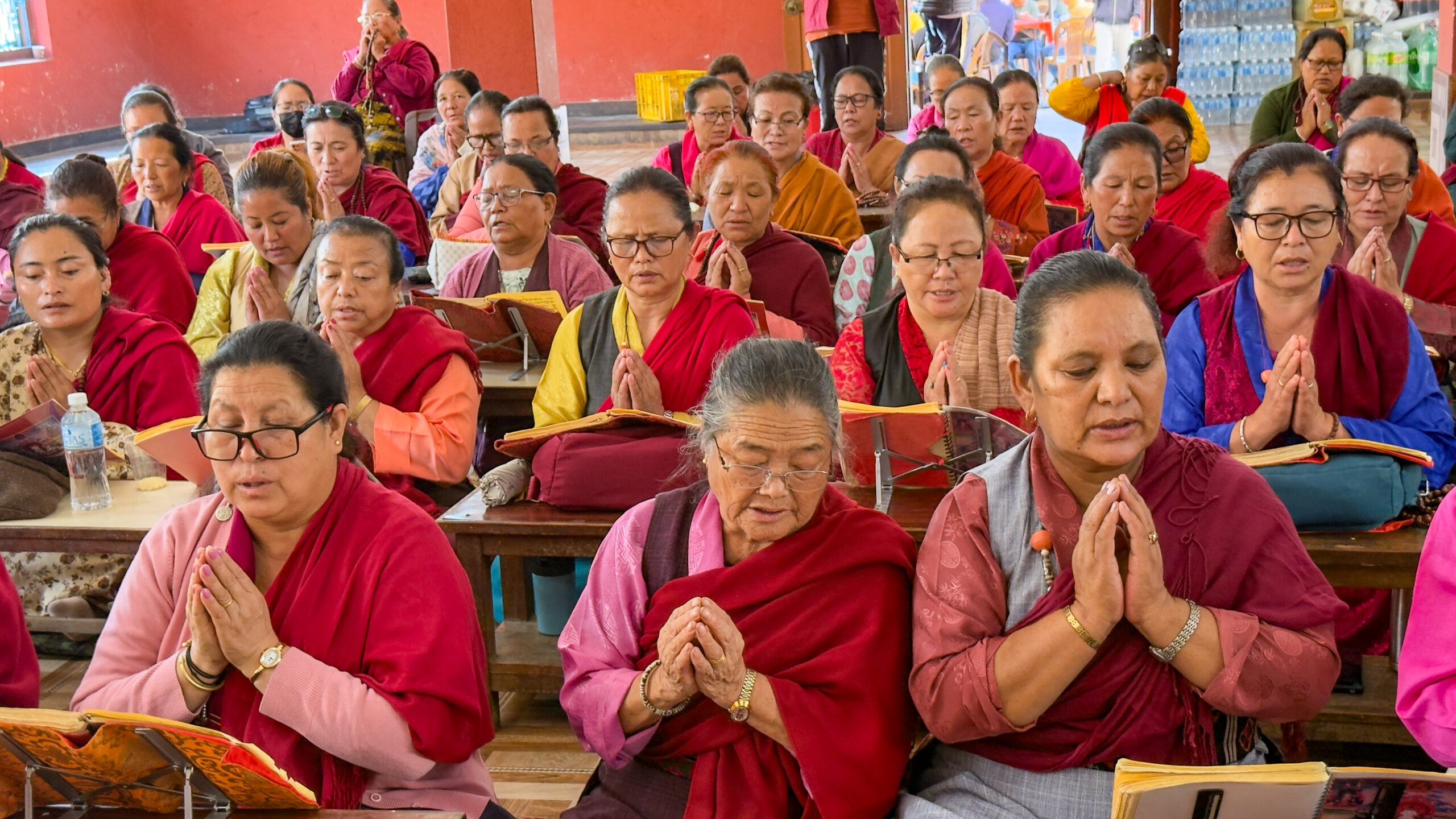
Kathmandu. According to Buddhist tradition, a special religious ritual has been performed to pray for eternal peace to those who lost their lives in the devastating floods on August 10.
The last rites of 11 Buddhists were performed at Brakar Monastery in Swayambhu on Wednesday.
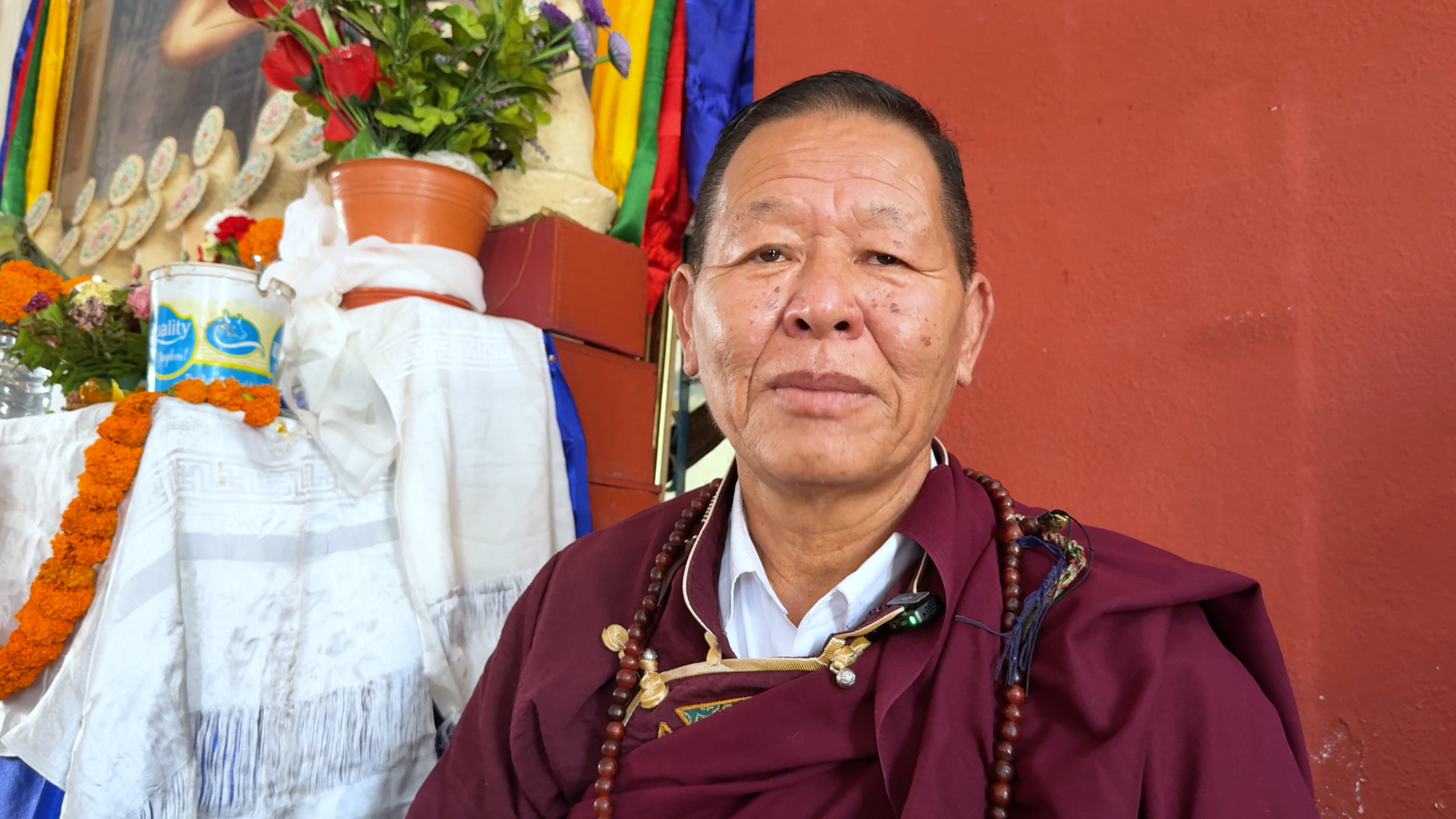
Doma Hyolmo, a national artist who participated in the ritual, said that according to Buddhist tradition, the fowa and gheva after death are necessary for the peace and salvation of the departed soul.
‘When our person dies, we have to say a fove. If he does not do that fowa, if he does not do gheva, then his soul will not be at peace. His soul wanders everywhere,” she said.
She said that Ghewa and Melam are religious rituals performed with the wish that the soul of the deceased may find a good path, be relieved of the debt incurred in life, and dwell in heaven.
“That is why if our Buddhists have incurred the debt of this Gheva, the Melam man, he should be cut off, may he go on the right path, may he live in heaven,” she said.
Hyolmo said that in the Buddhist tradition, it is customary to perform the fova not only after the death of a human but also after the death of an animal. According to her, this ritual performed with the belief that the soul of the deceased will attain salvation is an important aspect of the Buddhist rite.
‘And in our culture, even when a dog dies, you have to fus. If you don’t do that, he will not go to heaven,’ she said.
She said that the rituals for the eternal peace of those who lost their lives in the floods wished for the best of the people who died around the world and even the animals who died.
‘Not only them, but how many people in the world have died? Let everyone take the right path. Animals kill millions, let all that good life take away,” she said.
She said that the prayers recited during the melam will remind us of a person’s life, the sacrifices made by a mother and the journey after death.
‘Now we read one thing, if we read it, everyone will cry. How will we pay our mother’s debt? We have consumed milk, sucked blood, carried in our lap, we have to go alone. There are tears that come to us,” she said.
Hyolmo described Melam as a prayer not a hymn but a prayer in the name of the deceased. She said that such a prayer would wish that the deceased would find a better path and a better life and not have to be left stranded.
The ritual, conducted according to Buddhist tradition, prayed for eternal peace, salvation and well-being of all living beings to those who lost their lives in the floods.


 प्रतिक्रिया दिनुहोस्