

‘Juvenile Correction Home’ has become like a prison rather than a correctional home
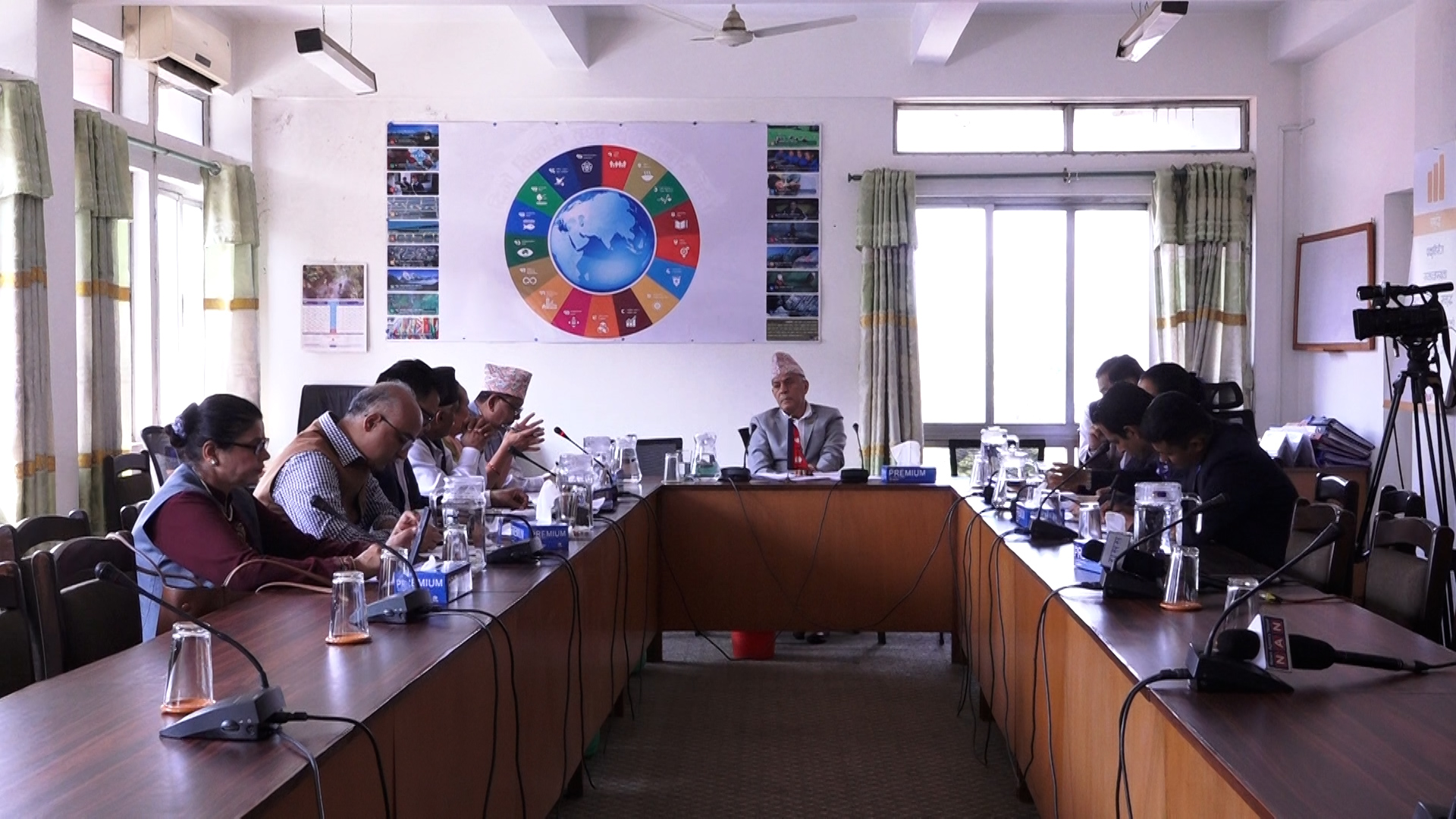
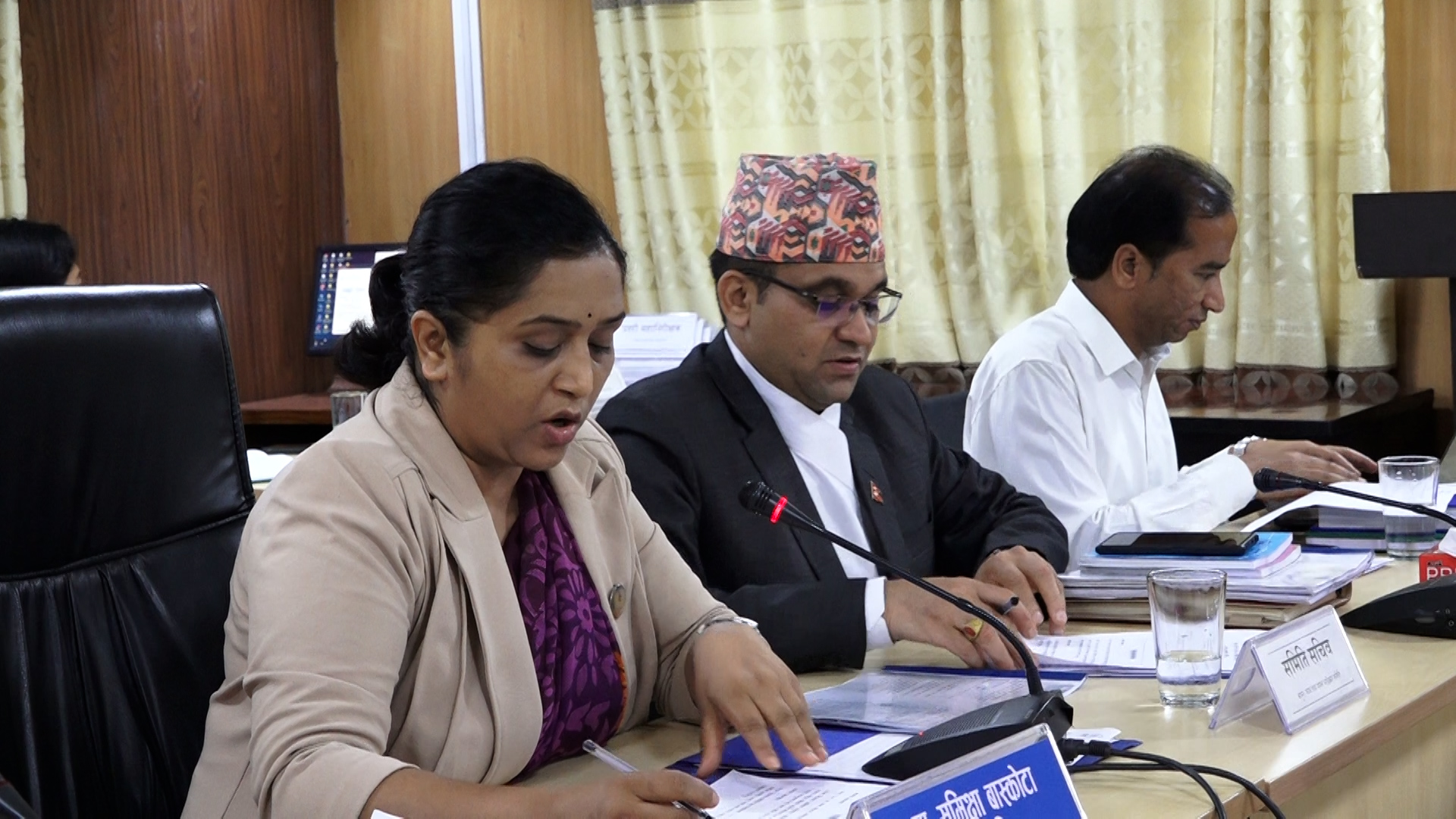
Kathmandu. KATHMANDU: A meeting of the Law, Justice and Human Rights Committee under the House of Representatives today deliberated on the report prepared by the Sub-Committee on Human Rights Monitoring and Observation of Children in Child Correction Homes.
The report presented by Committee secretary Ramhari Thapa in the meeting held on Monday said that the situation of child correction homes in Nepal, service delivery, management system and human rights situation of children have been studied and analysed. He said that although the child correction homes were established for the protection, improvement and rehabilitation of children, the expected objectives could not be achieved due to prison-oriented thinking, limited resources and weak institutional management. According to him, most of the juvenile detention centres are keeping more children than the sanctioned capacity, lack of adequate and child-friendly physical infrastructure, lack of guarantee of quality formal education and limited health and mental health services. The report also states that psycho-social counseling, vocational and life skills development programmes are inadequate and an effective system has not been developed for the rehabilitation and social reintegration of children who leave the correctional home.
“Although these centres are legally called correctional centres, in practice they have become traditional prisons rather than correctional centres due to lack of physical infrastructure, overcrowding and limited resources,” he said.
Thapa said lack of skilled human resources, inadequate budget, lack of effective coordination among federal, provincial and local levels, regular monitoring and inter-agency coordination, delay in settlement of cases and limited access to legal aid are the major challenges in the management of child correction home. He pointed out the need for improvement in the juvenile home management system to implement into practice the principles of protection, development, participation and best interest of children guaranteed by the Constitution of Nepal, Act related to Children 2075 BS and the Convention on Child Rights 2075.
“The juvenile correction home should not be a place to punish, but it should be developed as a centre for personal development, education, skill development, psychosocial support and rehabilitation of children,” he said.
According to him, the on-site inspection of child reform homes in Bhaktapur, Rupandehi and Kaski has concluded that the existing correction homes are not child-friendly and human rights-friendly. Committee Chair Samikshya Baskota stressed on the need of effective implementation of the legal provisions related to the operation of child correction homes. According to Rule 49 of the Children Regulations-2078, the Ministry can hand over the responsibility of operating the child reform home to the registered organizations through management contract after obtaining the approval of the Government of Nepal.
‘There is a need to effectively implement the legal provisions for the operation of juvenile correction homes. The problems seen in the correction home should be resolved by coordinating with the ministries concerned. We need to move towards making the juvenile home a truly rehab and rehabilitation centre,” she said.
Stating that the issue of Bhairahawa Child Reform Home falls under the jurisdiction of the Ministry of Women, Children, Gender and Sexual Minority and Social Security, President Baskota said further process would be forwarded after discussing with the Ministry. She stressed the need to rewrite the suggestions related to legal reforms contained in the report and incorporate the necessary issues, adding that legal reforms were necessary to make the juvenile justice system more effective.



 प्रतिक्रिया दिनुहोस्