

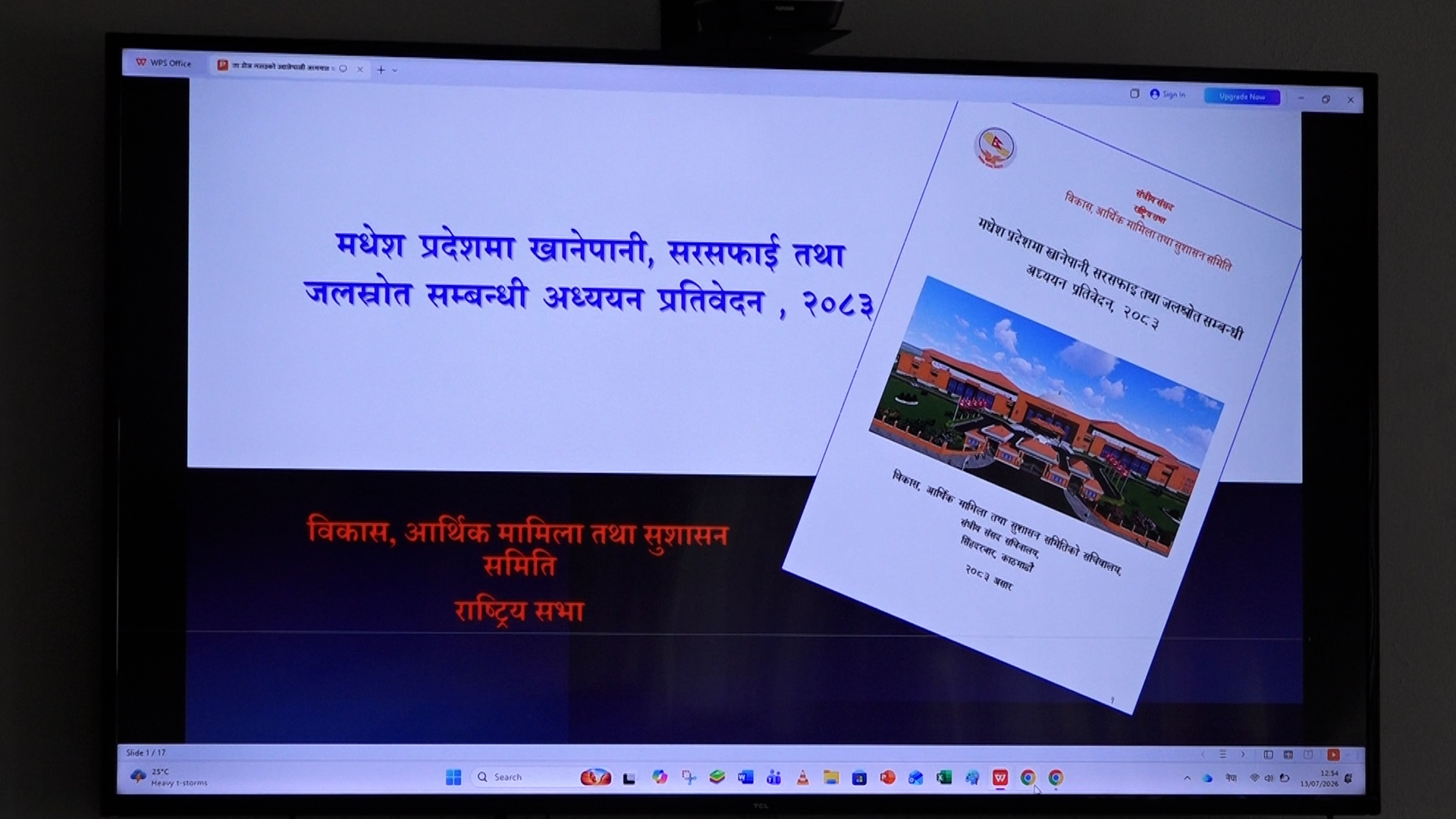
Only 20 per cent of households in Madhes have access to safe drinking water .A study has shown that the situation of drinking water, sanitation and water resources management in Madhes Province is challenging.
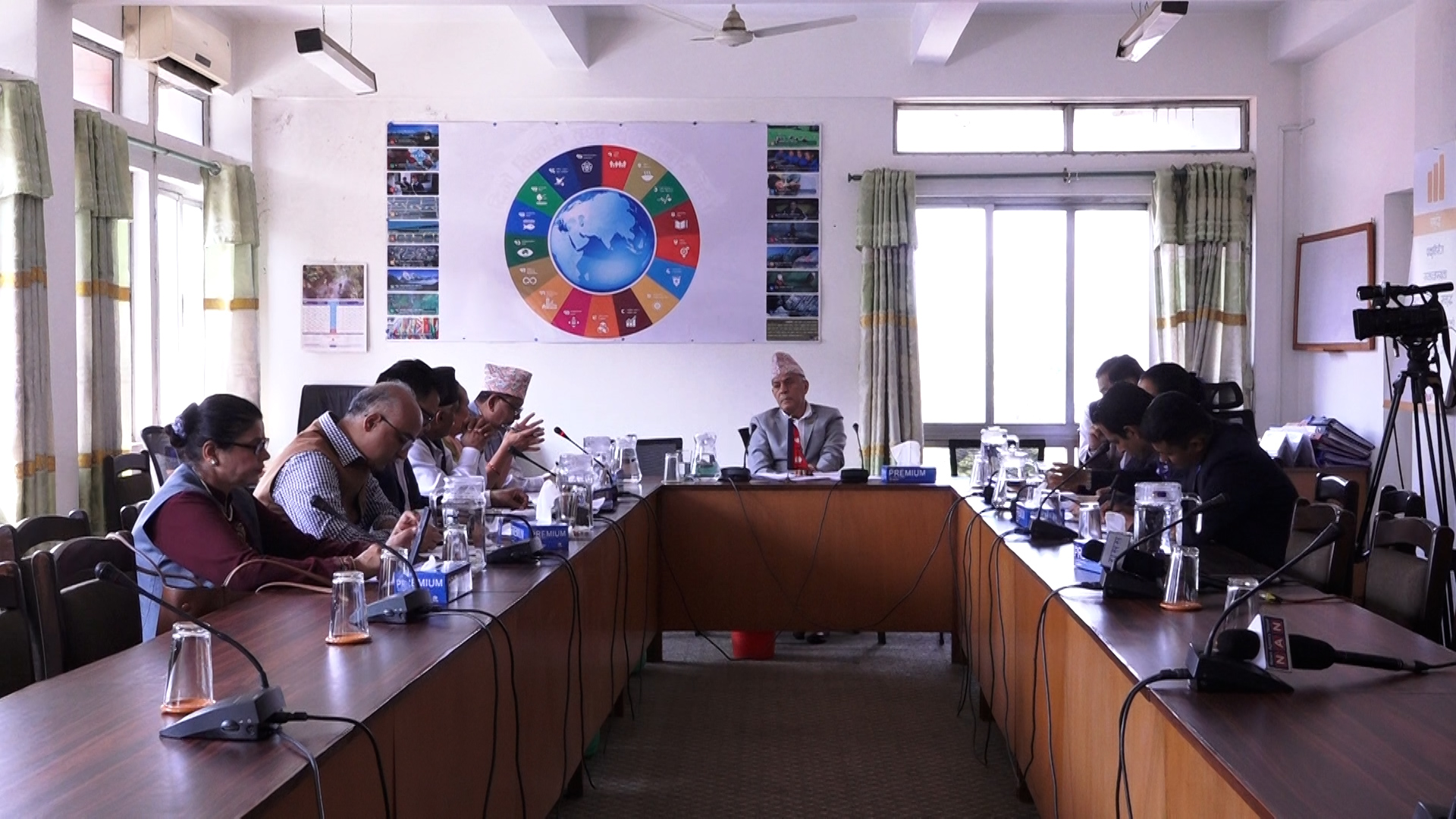
Discussing the draft of the study report prepared by the Development, Economic Affairs and Good Governance Committee on Monday, it was shared that only around 20 per cent households in Madhes have access to safe drinking water.
Committee Secretary Dr. The report presented by Rojnath Pandey states that with last year’s drought, the outbreak of diseases like cholera has increased in various areas of Madhes, there is shortage of drinking water and poor sanitation management.
The report incorporates the status of drinking water, sanitation and sanitation, groundwater, drought-affected communities, water recharge and water resource management in Madhes Province.
Dr. According to Pandey, the study shows that there is no systematic supply of drinking water even in urban areas in Madhes and the rural and marginalized communities are more affected. According to the report, many community hand pumps and shallow tube wells have become unused due to lack of regular maintenance.
Secretary Dr. The report presented by Pandey shows that the balance between recharge and release of groundwater in Madhes Province is deteriorating. It has been concluded that although the condition of groundwater recharge was positive in the past, pressure on water sources has increased in recent years due to excessive exploitation, population growth and unsystematic development.
The study found that the level of groundwater in various parts of Madhes is decreasing.
The report states that shallow tube wells and hand pumps used in rural areas are drying up and it is becoming more difficult for poor and disadvantaged communities to access drinking water.
The report states that more than 400 drinking water projects in Madhes have not come into operation due to lack of adequate budget, community participation and management.
It also pointed out that the condition of sewage treatment and waste management was poor and it was affecting public health.
The committee’s study has concluded that the problem of drinking water is not only related to the resources but also to the management and governance system.
The report states that the problems were difficult to resolve due to lack of effective coordination among the federal, provincial and local levels and lack of an integrated data system.
The report has given suggestions ranging from immediate relief and rehabilitation to long-term management of water resources. Sustainable use of groundwater, conservation of water recharge area, Chure-Bhawar area, increase investment in drinking water infrastructure and integrated water resources management have been prioritized.
The report prepared by the committee has recommended for policy reforms such as groundwater exploitation management policy, investment in water resources conservation and recharge, coordination among federal, state and local levels, development of research and monitoring system
, public awareness raising at community level and disaster preparedness. Committee Secretary Pandey said that preparations were underway to send the report to the government for implementation after giving final shape to the report with suggestions
।



 प्रतिक्रिया दिनुहोस्