

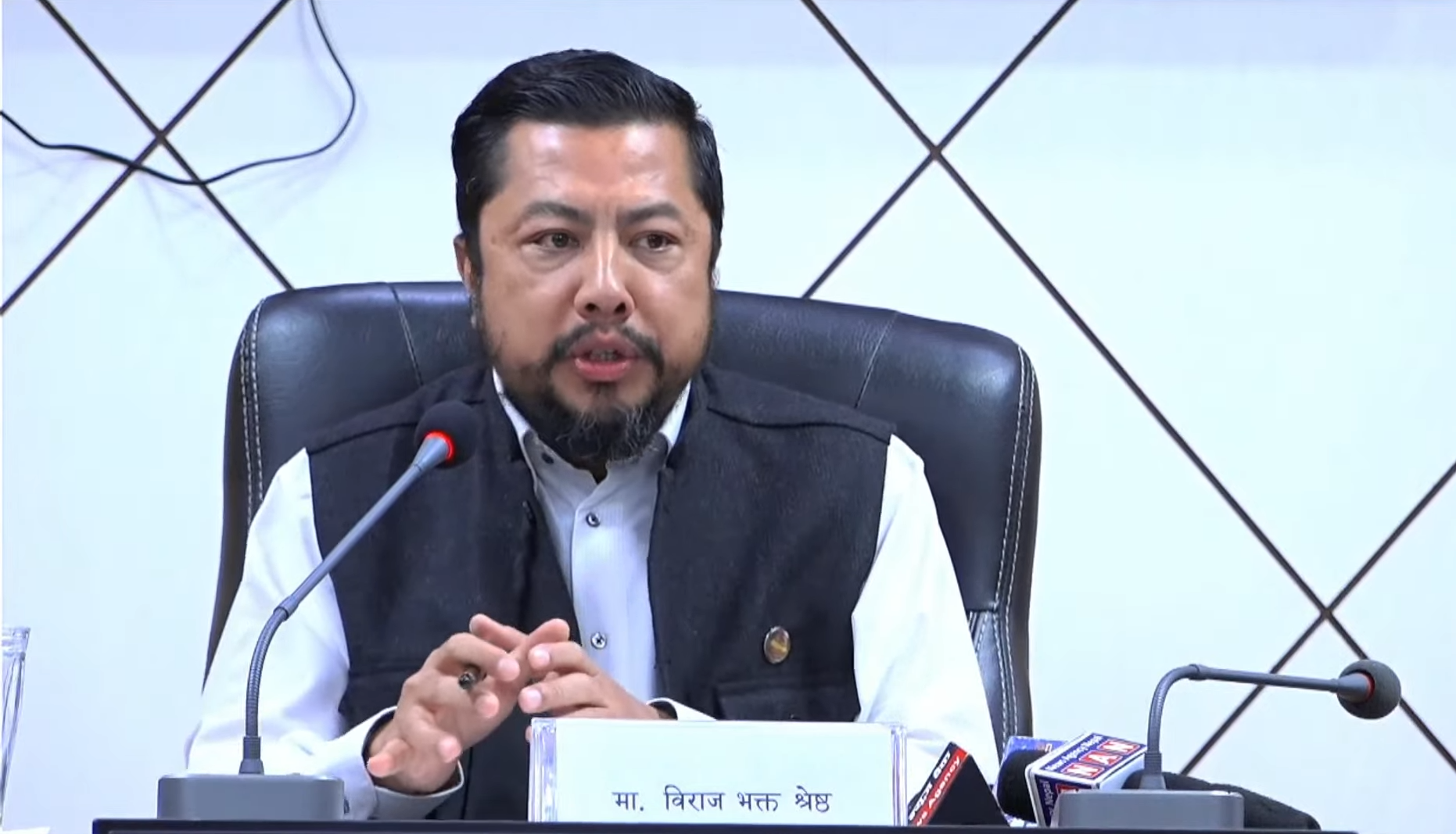
Productivity to be increased by linking irrigation and agriculture, Water Resources Bill to be made timely
Kathmandu. Minister for Energy, Water Resources and Irrigation, Biraj Bhakta Shrestha, has said that preparation was underway to integrate irrigation and agriculture to increase agriculture productivity.
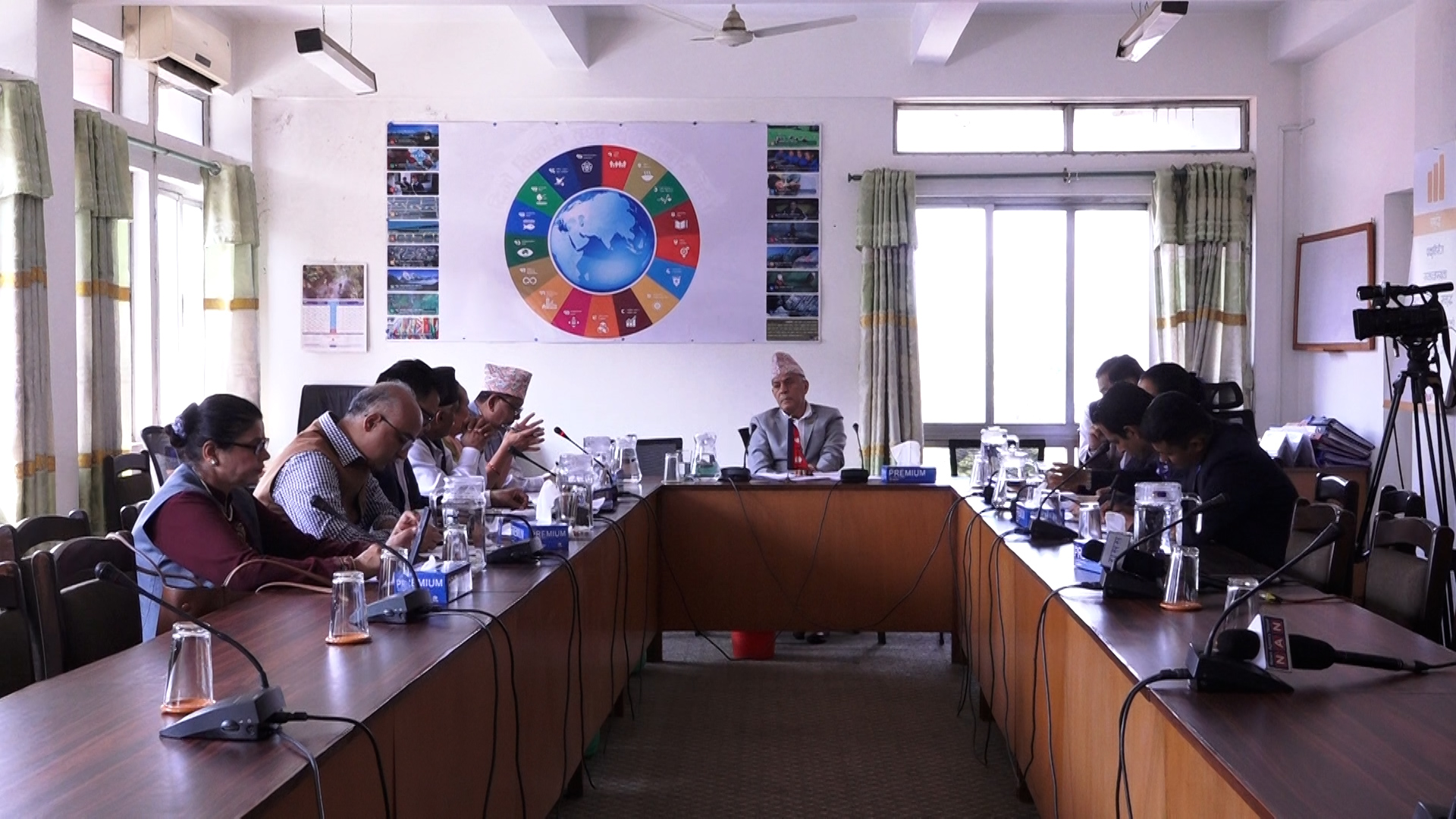
He also said that works are underway to make the Water Resources Bill more refined and timely to address the challenges of climate change. Speaking at a meeting of the thematic committee on energy and water resources on Tuesday, Minister Shrestha said the on-site study of Lumbini, Karnali and Sudurpaschim provinces has made it clear that irrigation and agriculture should be promoted simultaneously.”We got an opportunity to carry out a better study on the irrigation situation in Lumbini, Karnali and Sudurpaschim districts during the on-site inspection,” he said.
We are preparing to not only amend the Irrigation Bill but also include the agriculture component. With the addition of the agricultural component to the Jamara-Kulariya irrigation project, the field study provided an opportunity to understand how much the production has increased and what are the challenges in the place where such a system is not available. Now, our focus is on how to increase productivity by linking irrigation and agriculture together in coordination with the Agriculture Minister.”The Water Resources Bill is not just a legal document but will be developed as a tool to address the challenges posed by climate change,” he said.
“The Water Resources Bill is not just about black ink,” he said. There is a need to address the problems arising out of the effects of climate change. So, we have taken this as an opportunity to make it more sophisticated and timely. Saying the government was serious towards the situation of drought and declining ground water level in Madhes, Sudurpaschim and Sudurpaschim areas, he pointed out the need of implementing water audit system for water resources conservation, recharge and water audit.
He said, “The government’s serious concern is the drought in the far-western region including Madhes and the situation of depletion of groundwater.
For its recharge, conservation and promotion, it is necessary to go to the water audit system on the basis of study, research and data. Because water is also the property of the nation. “The Commission on Water Resources should be developed as a knowledge centre and scientific documentation of Nepal’s rivers, lakes, wetlands and Ramsar areas,” he said.
He also said that priority has been given to renewable energy including solar energy and energy efficiency to secure Nepal’s energy system based on hydropower from future risks. He said, “Although hydropower is our base energy, Nepal should not live in darkness if hydropower is affected due to climate change in the future.”
Therefore, we have prioritized renewable energy and energy efficiency. Expressing confidence that the ‘energy mix’ concept would contribute to long-term energy security, Minister Shrestha said that around 12.6 percent energy loss is currently in Nepal. The government aims to reduce this deficit through the use of new technology and enhancement of energy efficiency.
Putting forward the concept of ‘community river’ similar to the management of community forestry, he said that the local community should be directly involved in the conservation and utilization of the river. He said, “If the concept of community river does justice to conservation and utilization, it should be taken forward.”
The river is the property of the local community. While the rights to water, land and forest were vested in the locals, all three levels of government played a role in conservation. grows. ’



 प्रतिक्रिया दिनुहोस्