

agency. Tens of thousands of migrants have been stranded in Spain’s Ceuta in search of jobs and a new life.
Mainland of Europe is in front of them, but they are stranded due to the closure of the road to it.
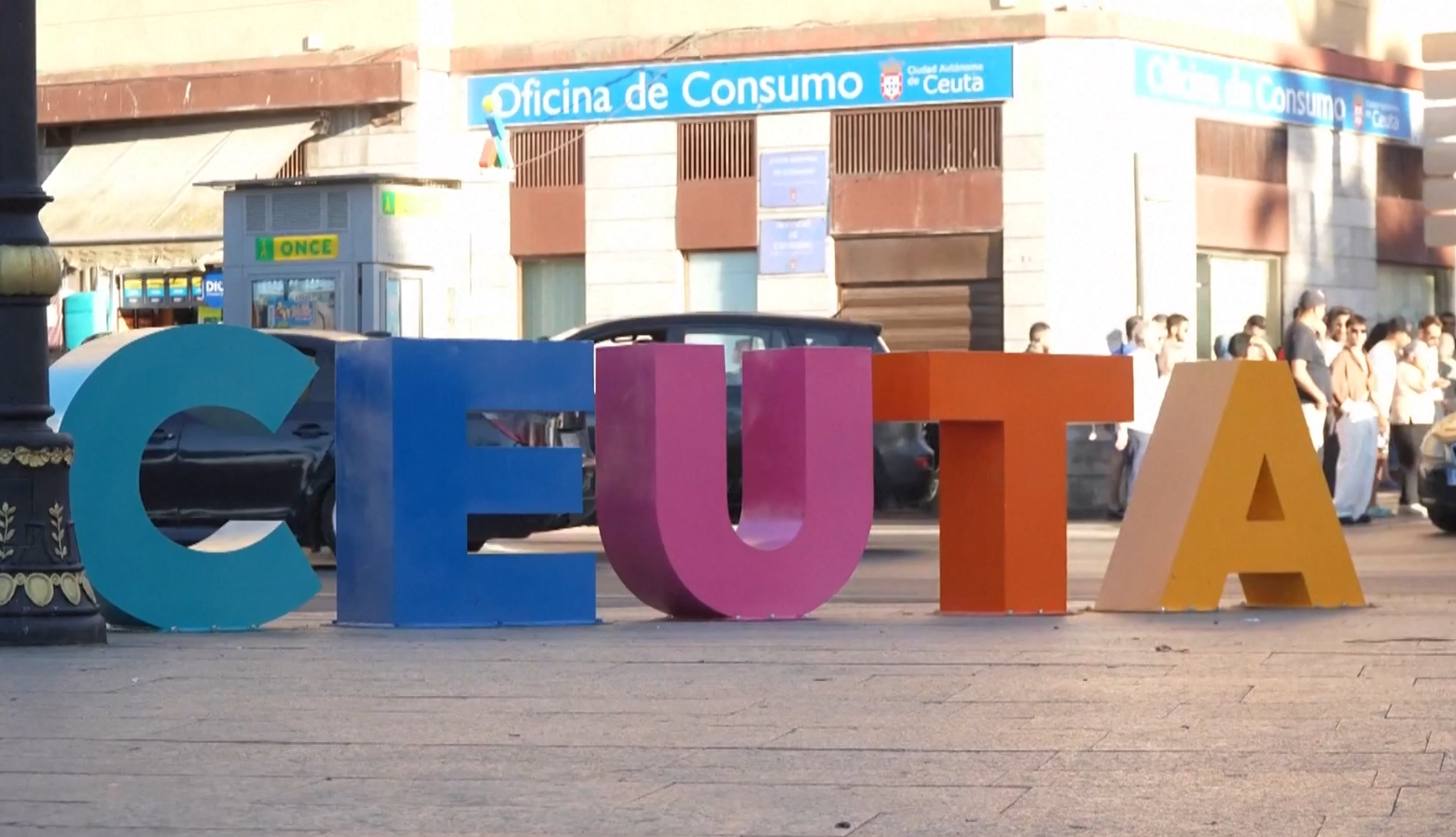
Syutta, which borders Morocco, is one of Spain’s two exclaves on the North African coast, along with Melilla.
Although geographically located in Africa, it is considered part of the European Union’s external border.
It has long been considered one of Europe’s most sensitive immigration gateways due to its geographical location.
For years, undocumented immigrants have tried to cross the border fence or swim through coastal barriers.
From there, they head to mainland Spain and other countries in Europe.
Morocco has a reputation as one of Africa’s fastest-growing economies in the eyes of international organizations. But in the border region of northern Morocco, where industrial development is low, many young people still see Europe as their destination, hoping for a better future.
With an area of less than 20 square kilometers and a population of about 80,000, the small city of Syuta is once again on the front lines of Europe’s migration crisis.
The final destination of most irregular immigrants is not Suetà, but the mainland of Spain and then other countries in Europe. But it is a very difficult journey to get there.
Unlike other cities in Spain, travelers must show valid documents to enter the Schengen area to enter or to the mainland from Ceuta.
Many of the people at the temporary migrant reception center in Syuta say they are here only for the sole purpose of employment.
“I want to work,” said Hassan, an immigrant in Morocco.
I couldn’t find a job in Morocco. In Spain, I can do whatever job I can find—making furniture, working in a barbershop, or anything else. I just want to make a living. Cristina, who was born and raised in Syuta, said the city has long been a place where cultures have coexisted peacefully.
According to him, although the social order is also stable, the recent influx of large migrants has put pressure on the local residents.
“It’
s a very small town, but people of four cultures have always lived in harmony,” she said. There was no problem between us. Those who came here were told that they would find work, food, and shelter in Spain. But it was all misinformation. “
Many residents in Syuta understand that while the migrants want a better life, the city is now overburdened and unable to handle more people.
“I understand that they live in poverty and want a better life,” said Gabriella, a local resident.
But please also understand our situation. There are 80,000 people living here, and suddenly more than 70,000 people have arrived—how do we accommodate everyone? We don’t have enough space, we don’t have the capacity, and we don’t have a proper policy to manage it.”While the most serious phase of the crisis seems to be over as the border crossings gradually return to normalcy, the problem of migrants in Syuta is far from over.
Karim, who has been driving a taxi in Syuta for more than 10 years, says many irregular migrants are still stranded in different parts of the city.
They can’t go to mainland Europe, but they don’t want to go back to Morocco either.
According to him, many immigrants will eventually decide to leave the suite. But the dream of reaching Europe is not fulfilled, but they will understand the reality here. (CCTVplus)



 प्रतिक्रिया दिनुहोस्