

Efforts to preserve Nepali culture in the taste of selroti
Pramila Karki, Nepal News Bank
Kathmandu. Nepali food has its own identity. There are different tastes and dishes according to geography, ethnicity, community, and culture. But in recent times, with the influence of modern food, some indigenous dishes and the traditional skills of making them have been overlooked. The Bhojalipi Abhiyan, which was launched with the objective of discovering, researching, documenting and promoting these unique foods, has been trying to take Nepali cuisine to the new generation and the international community.
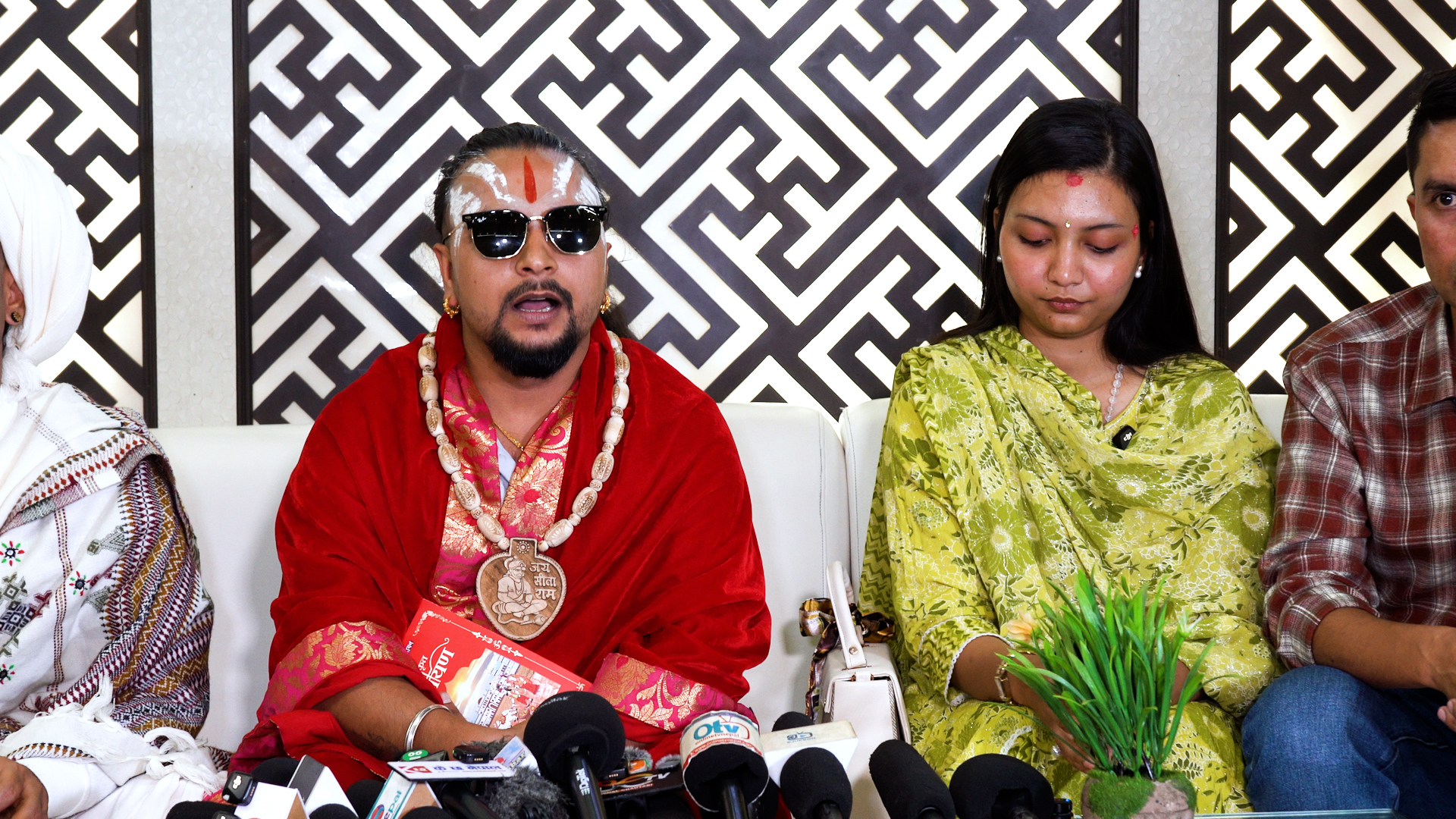
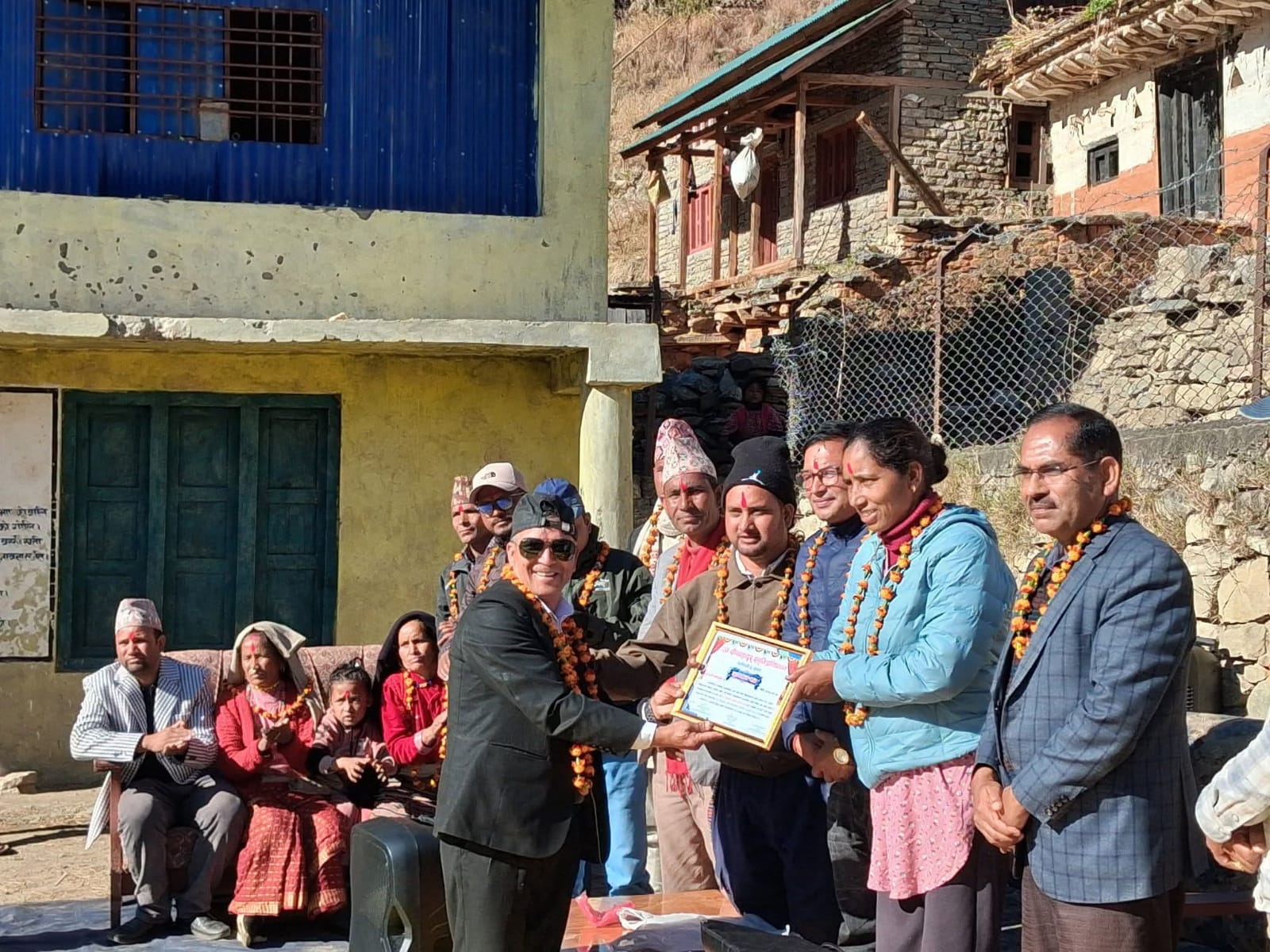
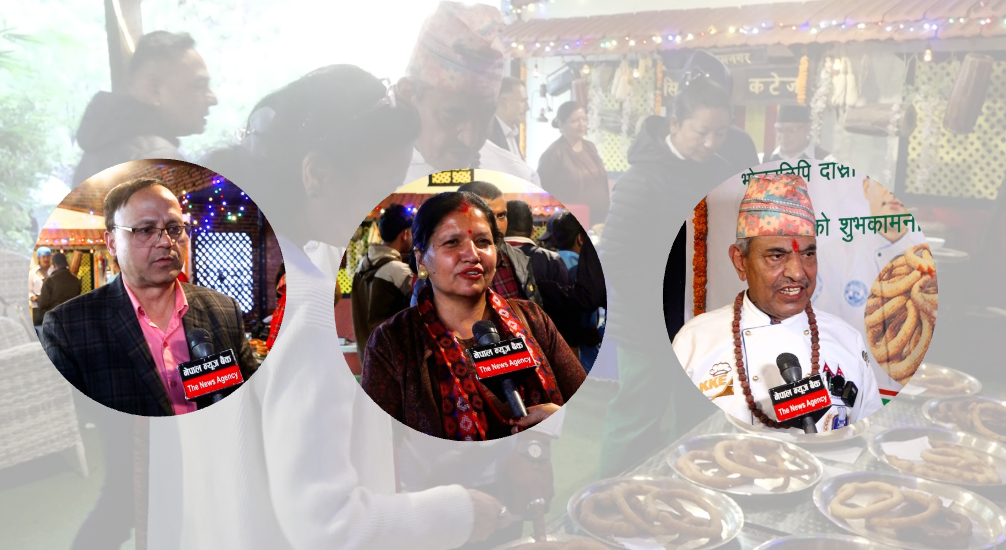
Under this campaign, Bhojanalipi Second National Selroti Competition 2083 has been organized with the objective of preserving and promoting Selroti, which has a special relationship with Nepali culture and festivals. A total of 15 people presented their cooking skills in the competition. Among them, Kopila Adhikari became first, Kamal Burja second and Sarita Gurung third. The first, second and third winners received cash prizes of Rs 15,000, Rs 10,000 and Rs 5,000 respectively. Devi Prasad Sapkota, the coordinator of Nepal Food Promotion Campaign and the organizer of the competition, said that the campaign has been started with the concept of studying, researching and promoting Nepali food at the international level. Talking to Nepal News Bank, he said that he is also associated with this concept started by international chefs Ghanashyam Kandel and Durga Khadka. He believes that the promotion of Nepali food, culture and geography is also important for the promotion of tourism. Therefore, he says that Nepali food should not be limited to the kitchen only, but its history, method of preparation and cultural importance should also be documented.
“We have done seven series and episodes presenting the grains produced in more than 55 districts of Nepal as different dishes. This is the second edition of the Selroti Special Competition. We are also preparing to study Nepali food and bring its conclusions in the form of a book,” said Sapkota.
According to him, the Bhojanlipi campaign has given priority to research on Nepali food. Chef Ghanashyam Kandel has already written a book on Timur. He said that he plans to reach from Mechi to Mahakali and find dishes that are popular and not popular in the local community. According to him, an on-site study will be carried out on the indigenous foods of different communities including Bhakka, Rajbanshi, Tharu, Kumal among others in eastern Nepal.
The campaign aims to interact with the older generation, collect local literature and archives, and preserve the history of these dishes through audio-visual materials.
According to Sapkota, the competition is not for any commercial profit but as a voluntary campaign. The prize was also arranged by a team of international chefs associated with the cuisine. The first executive chef of Nepal, Govinda Narsingh KC, was one of the judges of the competition. KC, who has been working in the hotel and culinary sector for almost five decades, said that selroti should not be understood only as an ordinary dish. According to him, along with the taste of selroti, the method of preparation, the ingredients used and the knowledge that has been passed down from generation to generation are also important.
KC narrated the story of how he asked his mother about 35-40 years ago how to make selroti. According to him, about 150 grams of sugar or knife, khudo, and sugar can be used in one kg of rice flour. The balanced use of spices like cardamom, sukumel and fenugreek makes the taste and aroma of selroti better. He said that the process of letting the flour rest for some time, kneading it well with ghee and allowing it to rise as per the requirement also affects the quality of the cellroti.
“The better the dough is kneaded, the more elasticity comes to it. It helps to improve the shape and texture of the cele bread,” he said.
Stating that the way of making selroti has changed over time, he said that the trend of using baking soda and baking powder for commercial purposes has increased. But he suggested that the traditional methods, original ingredients and taste should not be forgotten. According to him, Selroti is not only associated with festivals in Nepali society but also with family relations and rituals. He also recalled that it is customary for daughters who return to Maiti after marriage to prepare dishes like Selroti, Fini, Arsa and Anrasa and send them to the son-in-law’s house. He said that Selroti has a special place in religious worship and various cultural occasions. Participants in the competition were evaluated on the basis of taste, presentation, aroma, size and texture.
KC said that it is equally necessary to maintain the originality of the traditional food while efforts are being made to make it known in the international level.
Kopila Adhikari, who stood first in the competition, said that she was happy to get the first place in the competition with her home-cooked selroti. According to her, she has acquired this skill by watching and learning how her mother bakes selroti.
“I came here today to know that there is a Selroti competition. All the sisters did well. But I was very happy that my name came first,” she said.
Stating that Selroti has special importance during Tihar, Adhikari said that there is a tradition of cooking selroti in Nepali homes from Laxmi Puja to Bhai Tika. She feels that she learned a little while cooking her mother in the past and now she has started cooking herself.
“In our country, sale is not necessary during Tihar. Not only in Laxmi Puja, but also in Bhai Tika, we cook selroti. Such competition of our traditional dishes should be everywhere,” she said.
Selroti is a symbol of culinary, family ties and cultural identity that has been passed down in Nepali society for generations.
Presenting this skill to the public through competitions is an effort to preserve this skill that mothers have been teaching to their daughters and the new generation of the family.
The Bhojnaplipi campaign aims to not limit Selroti to the competition but also to study and document its recipe, ingredients, taste and cultural significance. In the campaign to explore the diversity of Nepali food and give it international recognition, such competitions are expected to help preserve the history and culture associated with it along with the original taste.



 प्रतिक्रिया दिनुहोस्