

The situation of children in flood-affected areas is complex, responsible journalism suggested
Kathmandu. The National Campaign for Children as Zones of Peace (CZOP) has stressed the need for all three tiers of government and stakeholders to be sensitive and active in the protection, relief, education and health services of children during disasters.
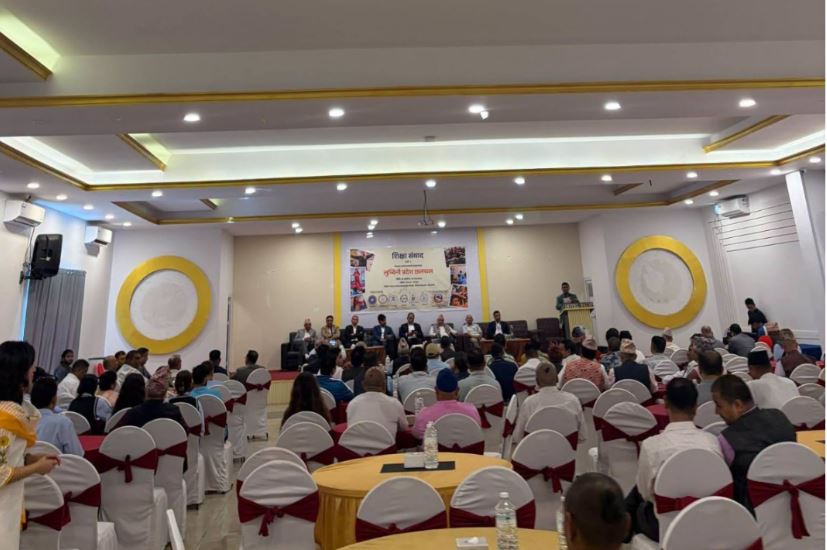
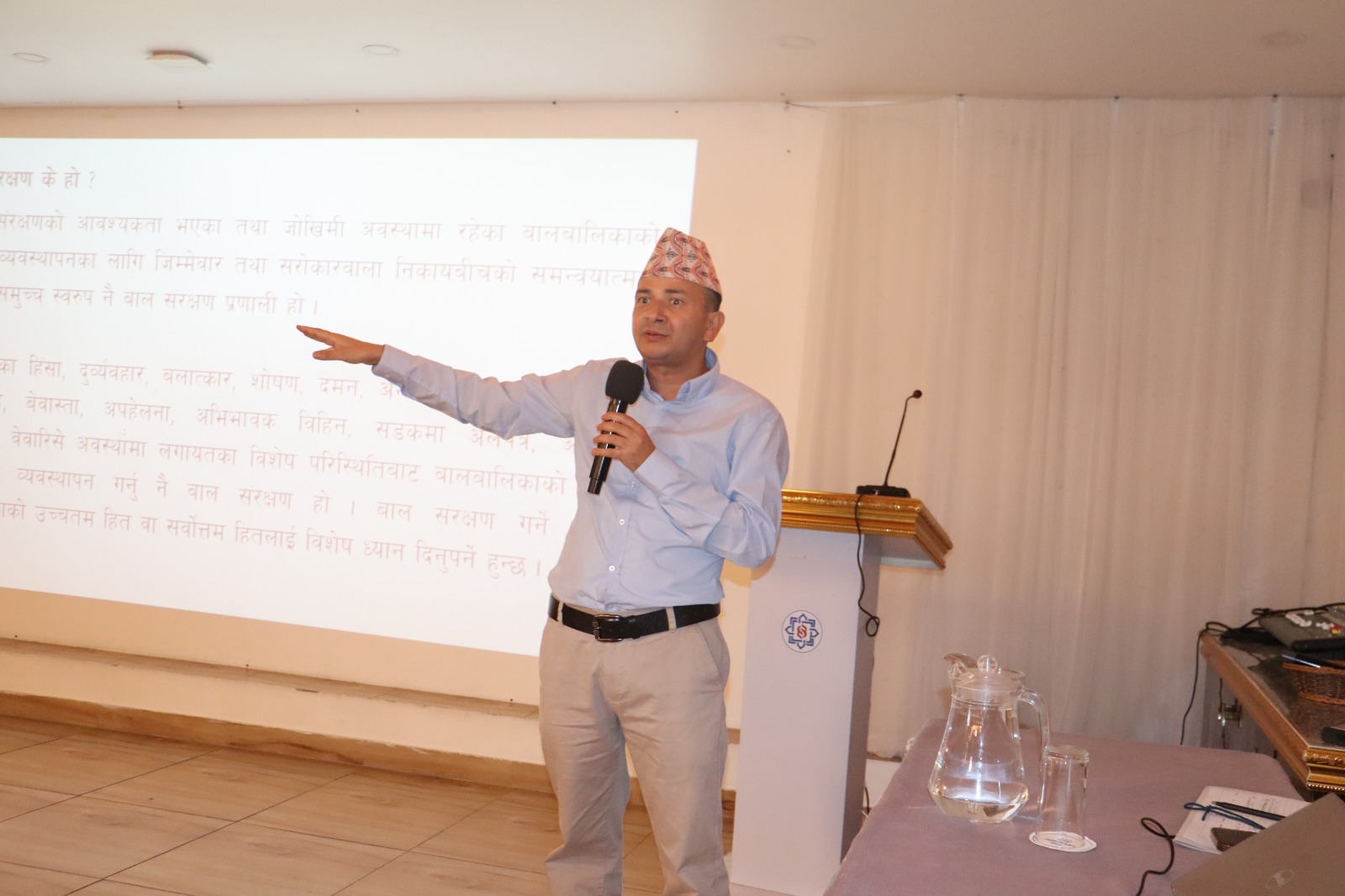
Speaking at an interaction programme with media persons on the occasion of National Children’s Day 2083 on Friday, CJP Chairman Tilottam Poudel said that the situation of children affected by the Bhotekoshi floods is becoming very complicated. Chairman Poudel stressed that the government should give priority to the collection of real data during disaster, search and rescue of the disappeared, immediate medical treatment, identification (birth registration, child identity card), psycho-social counseling, rehabilitation and reconstruction. “
It is the responsibility of the state to ensure family search and reunification, educational continuity, nutrition and safe shelter in a child-friendly environment, keeping in mind the best interests of the children,” he said.
In this context, he stressed that the local governments should immediately appoint child welfare officers and contact persons, the provincial governments should bring child-sensitive budget and policies to reconstruct educational and health infrastructure, and the federal government should raise the issues of climate justice at national and international level as well as inter-agency coordination. According to the data presented in the program, 9,400 children of 32 schools in Rasuwa, Nuwakot and Dhading districts have been affected due to the floods. Out of which 3,928 children have been directly affected and 1,373 children have been displaced and are taking shelter in holding centers. So far, 488 students have been confirmed missing and 5 children have died in the floods.
Similarly, 102 children have lost both their parents and 439 have been separated from their parents.
Senior Journalist and Chief Editorial Advisor of Nepal News Bank, Dharmendra Jha said that journalists and media houses should follow high sensitivity, code of conduct and child safety standards while reporting on children during disasters. Jha made it clear that the best interest of children should always be kept above the news while collecting and disseminating news during disasters like floods and landslides.
He said, “The crying, fear or pathetic state of children should not be used as a means to increase views, likes, comments or TRP. Disclosing their names, addresses, schools, or visual÷photographs revealing their identities can lead to further risks and mental trauma in the future. Jha stressed that informed consent of parents or guardians should be obtained before conducting interviews, children should not be forced to act, and child-friendly communication guidelines issued by Press Council Nepal and UNICEF should be fully followed.
He pointed out that the main need of the hour was to be solution-oriented, rights-oriented and to promote the protection of children rather than sensational journalism in times of disaster.



 प्रतिक्रिया दिनुहोस्