

Surkhet. The locals of Jajarkot have earned more than Rs 290 million from the collection of herbs in a year.
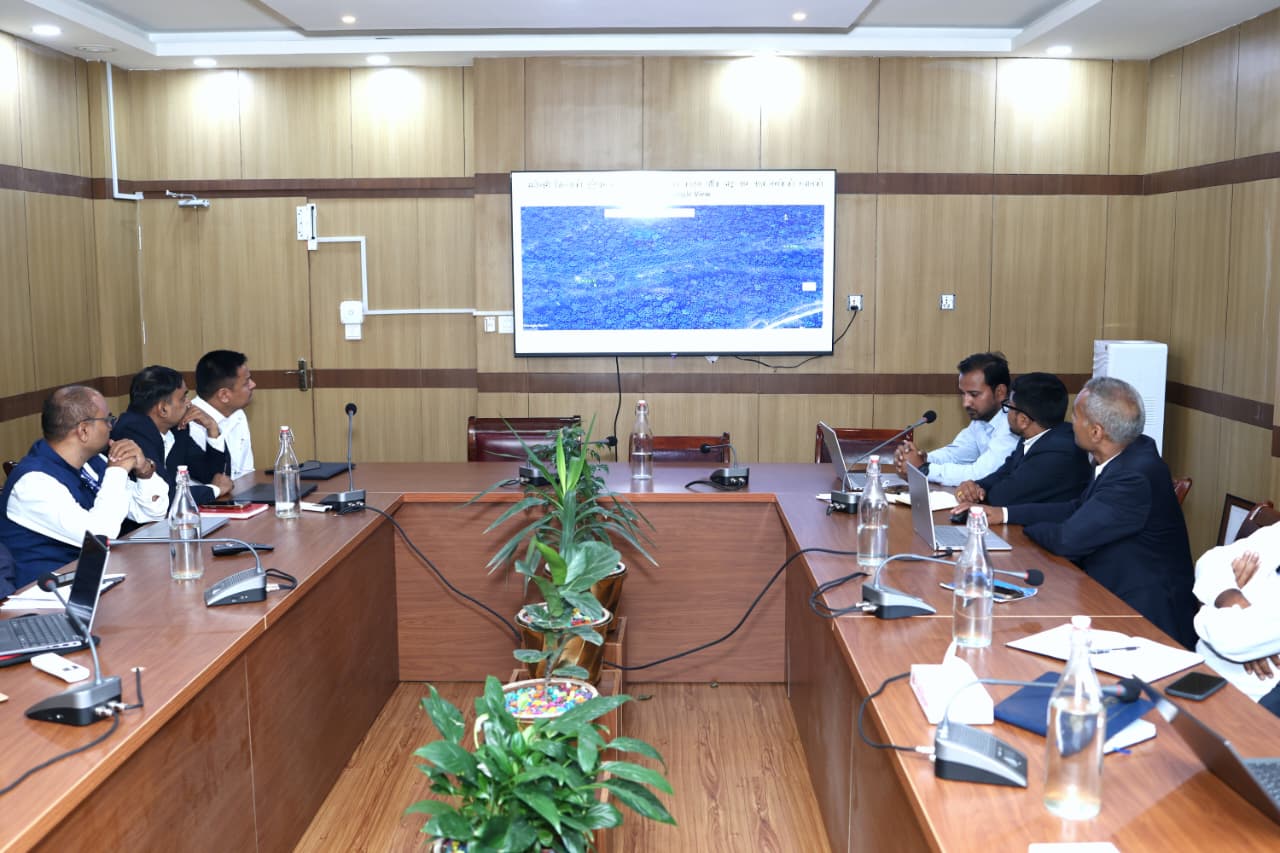
With the export of 37 types of medicinal herbs from the district, the herbs which are an important base of rural economy have contributed to the livelihood and employment of the locals. According to the details presented by the Division Forest Office at the annual progress review seminar of government and non-government offices organized by the District Coordination Committee, Jajarkot on September 26 and 13, the local community has earned more than Rs 290 million from the collection of medicinal herbs in the fiscal year 2082÷83. Division Forest Officer Dipesh KC presented the progress report in the field of forest encroachment control, forest fire management, tree production, tree plantation, wildlife crime control, herbal export and revenue collection in the seminar. According to him, the office has achieved 82÷34 percent financial progress in the current fiscal year. In the last fiscal year, 37 species of herbs including Timur, Rittha, Padmachal, Pashanveda, red mushroom, jhyau, poison phej and dhupi leaves were exported from Jajarkot. Of these, only Timur and Jhyau have made significant income, according to the office. A total of 198,
759 kilograms of timur has been exported from private population, community forests and government-managed forest areas.
A total of 103,
555 kg timur was collected from the private population, 53,017 kg from the community forests and 42,687 kg from the government forest areas.
The average price of timur sold at the collection site is Rs 550 to Rs 650 per kg, but the locals have earned about Rs 120 million from it. According to the Division Forest Office, more than Rs 30 million has been earned from the collection of shrubs.
The forest area is the basis of the rural economy
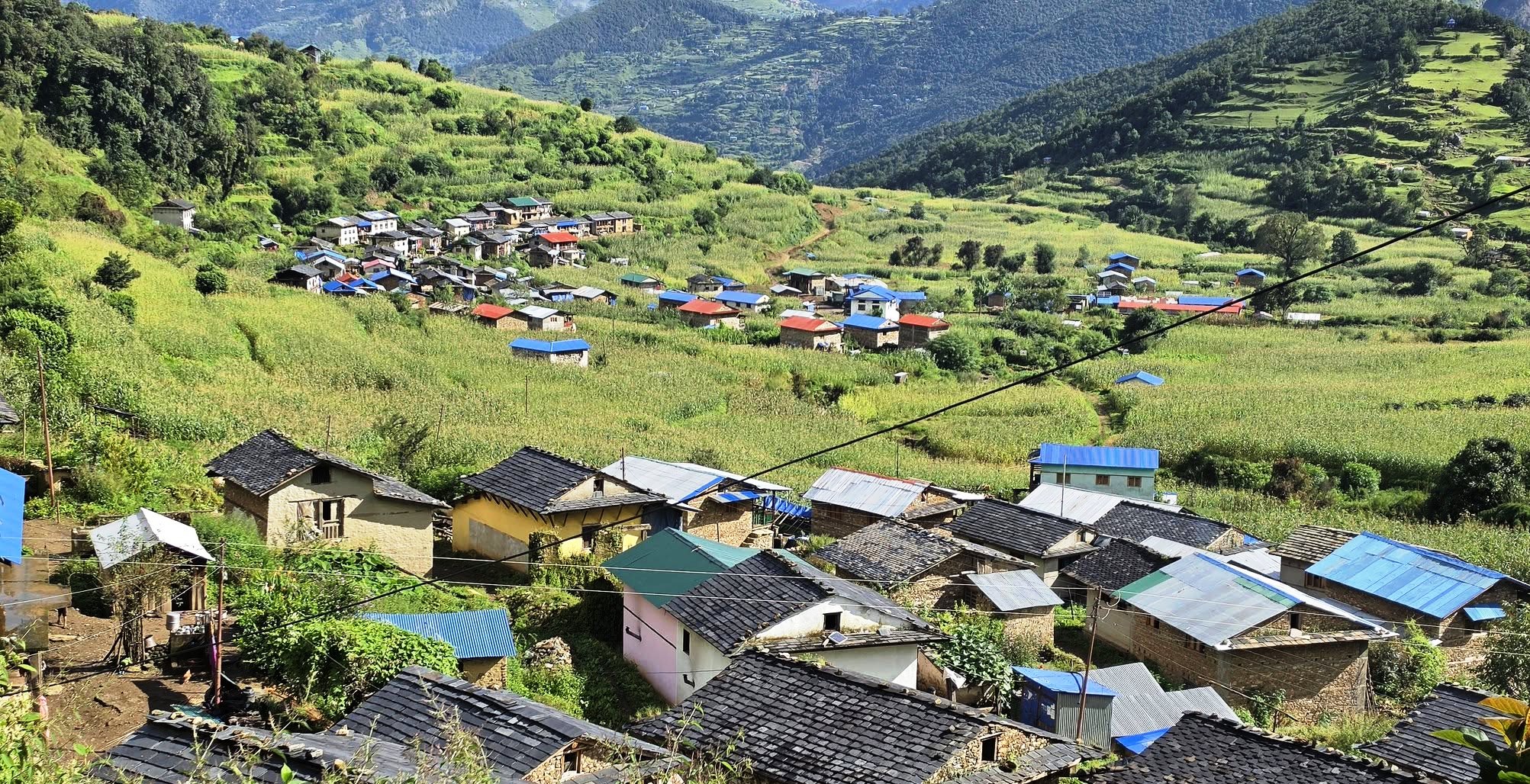
The forest area occupies 60.18 percent of the total land area of Jajarkot. In the district, rich in forests, wildlife, herbs and biodiversity, the collection of herbs is becoming an important source of income for the locals.
Division Forest Officer KC said that the collection of herbs has contributed to the income, employment, livelihood and community development of the local community. According to him, its contribution to the rural economy can be further increased if the systematic collection and production of herbs can be expanded. Apart from herbs, the revenue received from the forest area and the income of community forest is also significant. According to the Division Forest Office, in the fiscal year 2082÷83, a revenue of Rs 1,03,58,354 has been collected. Similarly, Rs
6,816,165 and Rs 2,65,70,934 have been earned from community forest.
Although millions of rupees are being earned from medicinal herbs, there are various challenges in forest conservation and management. The office has pointed out forest fires, encroachment, human-wildlife conflict and smuggling of illegal forest products as major challenges.
According to the records of the office, 1,225
.45 hectares of forest land has been encroached upon in the district. In the last fiscal year, five cases related to forest and wildlife crime were prosecuted and settled.
During the same period, 55 fires broke out in 38 community forests. The fire was controlled with the participation of security agencies, forest users, local levels and communities, the office said.
Monkeys, bears, wild boars and leopards have been causing loss of crops, livestock and human beings in the district. KC said that relief of Rs 3.60 lakh was distributed to the victims of wildlife in the last fiscal year.
The Division
Forest Office has also forwarded tree plantation programme for the production of herbs and expansion of forest area.
As many as
55,000 saplings including Timur, Rittha, Sisau, Khayar, Bodhicitta, Bay leaf, walnut, Chiuri and Bojho have been planted in about 40 hectares of land under the Herbal Development Programme.
According to the office, the saplings were planted through community forest users’ groups, Kabuliyati forest users’ groups and private landowners. Similarly, around
50,000 one-year and multi-year saplings have been produced in the multi-year nursery on the premises of the Division Forest Office and around 11,000 saplings have been distributed.
The natural resources of Jajarkot can become an additional base for income generation and prosperity if the commercial production of medicinal herbs, sustainable collection and forest conservation can be taken forward simultaneously.

 प्रतिक्रिया दिनुहोस्