

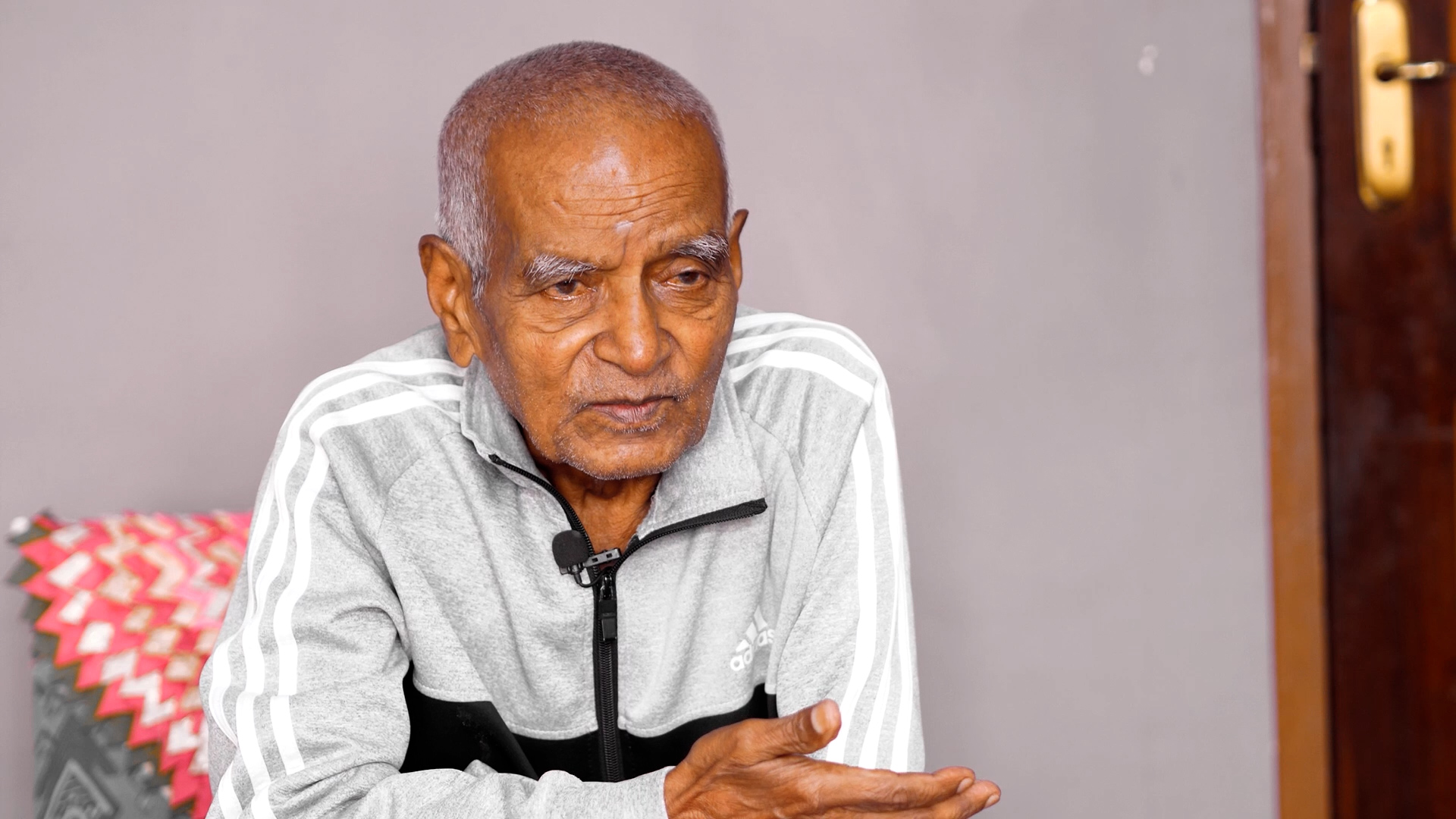
Kathmandu. Culture expert Ram Dayal Rakesh has said that the tradition of keeping barley jamara in Ghatasthapana is an important cultural and religious aspect of Dashain.
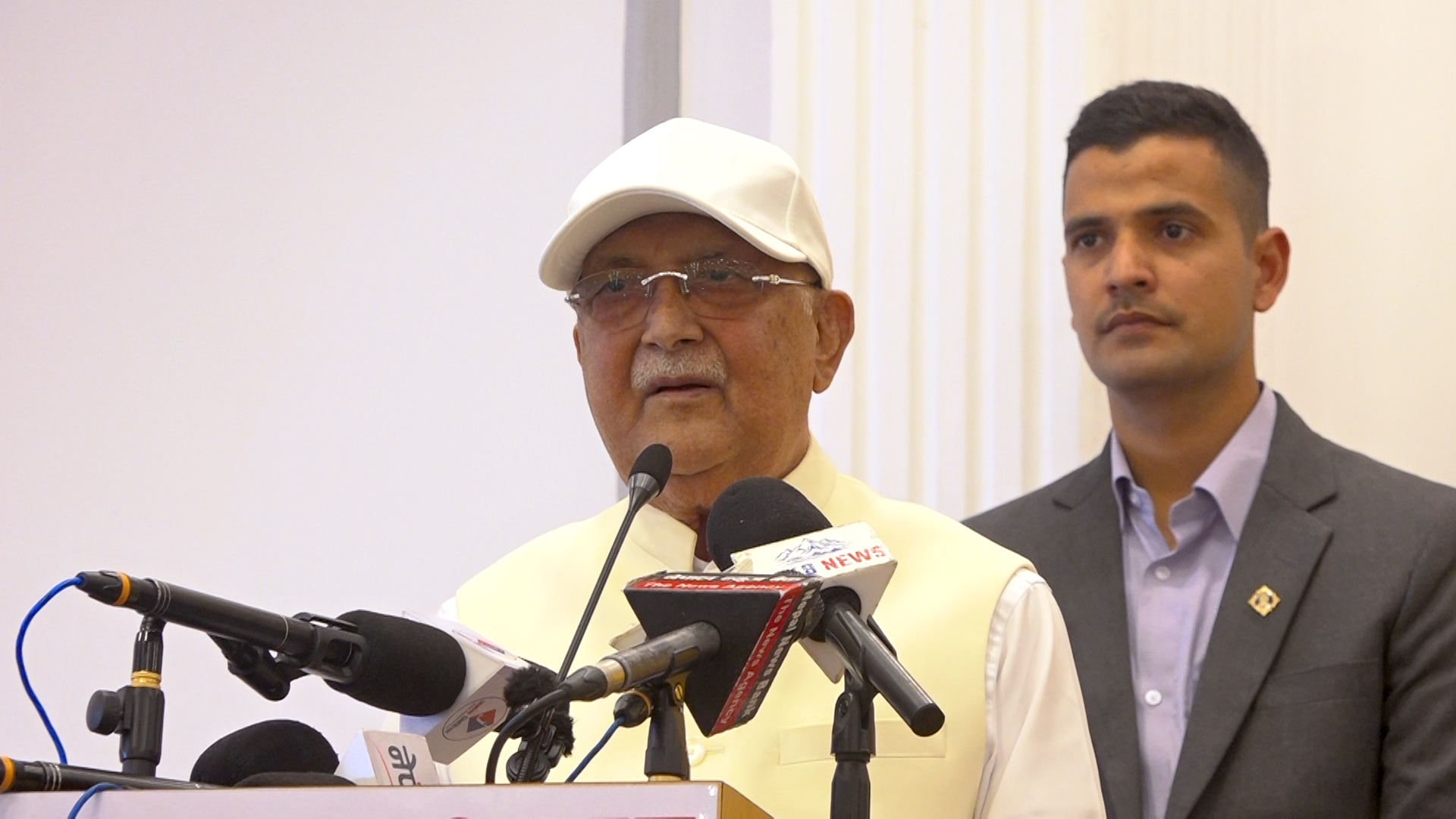
Talking to Nepal News Bank, he said that there is a tradition of sowing barley in place of the deity and family deity at home on the day of Ghatasthapana and blessing the younger ones on the day of Bijaya Dashami.
‘In Ghatasthapana, every house has its own iṣṭa deity, the family deity. This barley or grain is kept there and it is grown. It is used for 10 days i. e. on the day of Vijayadashami. It is also placed on the heads of small people,” he said.
According to Rakesh, in the past, it was customary for the Brahmins to come to the house to fulfill the religious process of keeping the jamara and giving tika. He said that now it is customary for the eldest member of the family to bless the younger ones by giving jamara to them.
He said, “Earlier, the Bahuns used to come and complete this process. But now, it is not the Brahmins but the elders themselves who use it to bless the people younger than them.” According to him, there is no need to mix anything other than barley to grow jamra. He said that the original importance of jamara will be lost if other materials are mixed with barley as it grows on its own after sowing it in the soil.
There is not much difference between the Dashain of the hills and the Terai
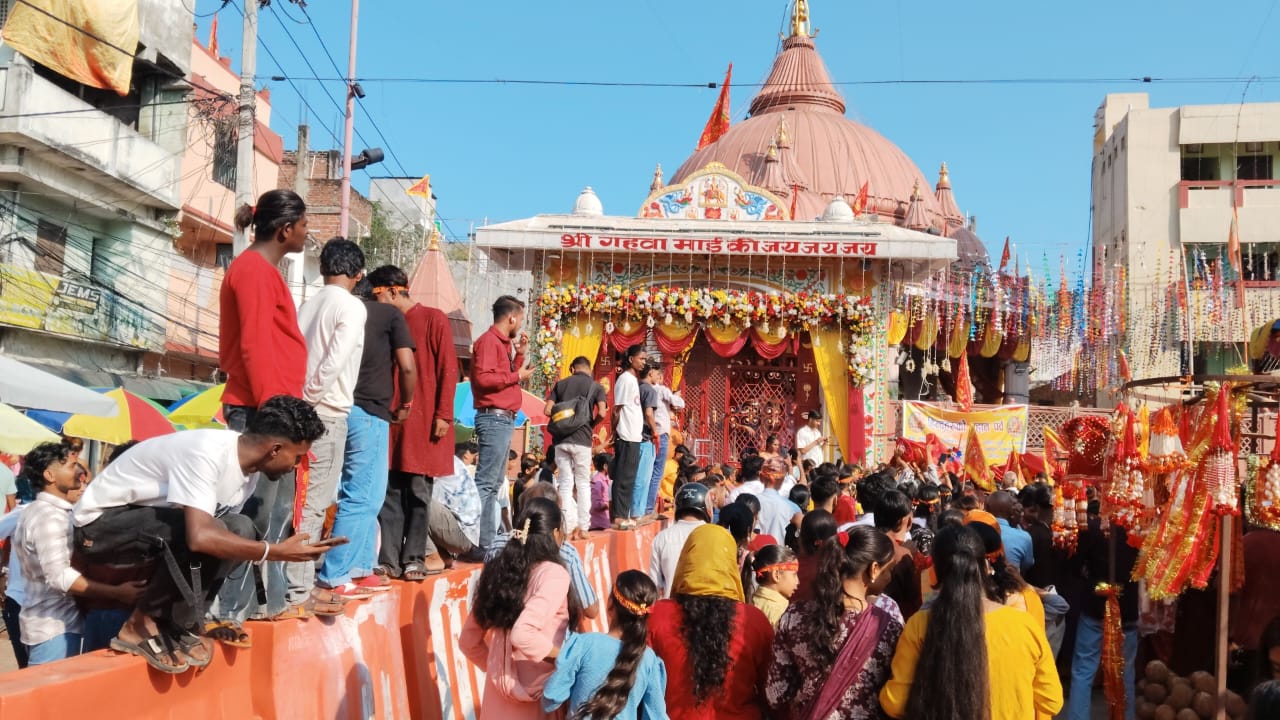
Rakesh said that there is not much difference in the tradition of celebrating Dashain in the hills and Terai. He mentioned that in both the regions, there is a tradition of growing Jamara, applying tika on Bijaya Dashami and giving blessings. He said that since there is no idol of Durga in every village of Terai, there is a tradition of worshiping by making clay idols in different places. He said that temporary idols of Durga are installed in such places and worship are also held and fairs are also held.
‘People come dressed in colourful outfits. Especially the children are very happy,’ he said.
The tradition of Ramlila is decreasing in the Terai
According to Rakesh, another feature of Dashain in the Terai is the tradition of performing Ramlila. He said that in the past, it was customary to show Ramlila on the night of Dashain, but now this tradition has stopped in many places.
He said that Ramlila is not only a medium of entertainment but also an opportunity to get religious and moral education. He said that the recitation of Ramayana and the performance of Ramlila have religious and cultural significance as education can be taken from the character of Ram and Sita.
“For 10 days, Ramlila was also a means of entertainment. Secondly, people will learn from the Ramayana, from the character of Ram, from the character of Sita,” he said.
According to Rakesh, many people in the Terai keep Jamara in their homes. Those who do not want to keep Jamara at home can also keep Jamara at the place where the idol of Durga is installed.



 प्रतिक्रिया दिनुहोस्