

Metalwork of Taksar in crisis with the migration of artisans
Niroj Koirala, Nepal News Bank
Bhojpur. During the reign of the then King Girvan Yuddha Shah. The metal business is in crisis in the historic Taksar Bazaar of Bhojpur, established in 1872. The metal art of Tuksar, once famous in the country and abroad, has now been confined to five houses due to the exodus of skilled artisans and local businessmen.
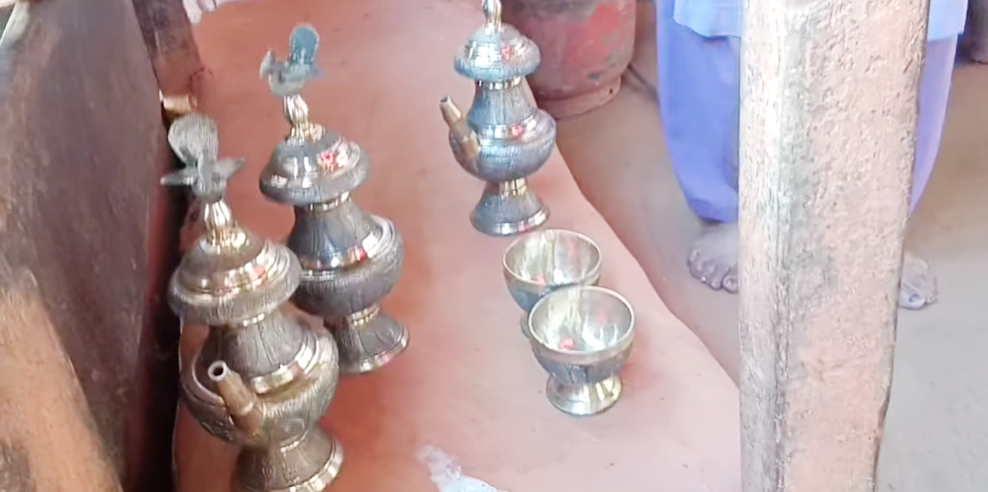
In Bhojpur Municipality-12, Taksar was well known for the metal goods production industry in the past. Goods like karuwa, copper utensils, pitchers, brass plates, lotas, mango khora, anty, glass, bowl and dabka made here were sold in different parts of Nepal as well as abroad. But in recent times, this traditional business has been deteriorating due to the shortage of artisans and the displacement of local businessmen.
According to Durga Prasad Subedi, Chief Industries Officer of the Cottage and Small Industries Office, Taksar, only five houses are producing metal goods in Taksar at present. In the past, the goods produced in Taksar used to be sold in other districts, but now the goods produced in Bhojpur are being sold in other districts.
“A special program is needed to restore the Taksar market to its original state. It should encourage the displaced businessmen and artisans to return,” Subedi said.
According to him, only
one of the industries that are currently running the metal business in general has been renewed. The rest of the traders of Tuxar have also been producing materials in limited quantities according to the demand of the market.
According to Bimal Shakya, a local businessman, the shortage of artisans and the expensive supply of raw materials has also affected the metal business of Taksar. Due to the lack of mines and raw materials at the local level, the necessary metals and coal have to be transported from the Terai.
He said that the cost of production has increased due to high transportation cost and the trend of entrepreneurs migrating has increased.
Shakya said that in the past, handicraft products produced in Taksar used to go to Tibet in China and Darjeeling, Assam, Siliguri and Kolkata in India for sale. According to him, now only two to four households are continuing this business. Bimal Ranpaheli, a local, also said that the metal industry is in crisis as the displacement of businessmen has not stopped due to the displacement of businessmen. He said that the Taksar market, which used to produce metal goods worth lakhs of rupees from the Panchayat era to the establishment of the multi-party system, has been deserted lately. According to social activist Ghamchandra Dahal, Bhojpur’s Taksar Bazaar is an important area with a monetary, cultural and artistic history of Nepal. He said that Taksar, which is known as the center of metal business as well as talk printing, has given national identity to the original metal art including Karuwa.
‘Not only the metal business but also known as the central place of rock printing, Tuksar had established the original metal art in the national identity along with the economic activities. But now this glorious tradition is being confined to the pages of history,” Dahal said.
He said that a special conservation plan should be forwarded by coordinating with the federal, state and local governments to protect the historical identity of Tuksar.
According to him, there is a need to establish a metallurgical museum, operate a training centre on traditional crafts and take the goods of local producers to the market.
Taksar is also known as ‘Mini Patan’ due to its religious heritage, art and traditional business style similar to Patan. This historical market, which is about one and a half kilometers away from the Bhojpur district headquarters, is at risk of losing its traditional metal art and the skills associated with it if its original identity is not preserved.



 प्रतिक्रिया दिनुहोस्