

Emphasis on institutional reforms and accountability for good governance in South Asia
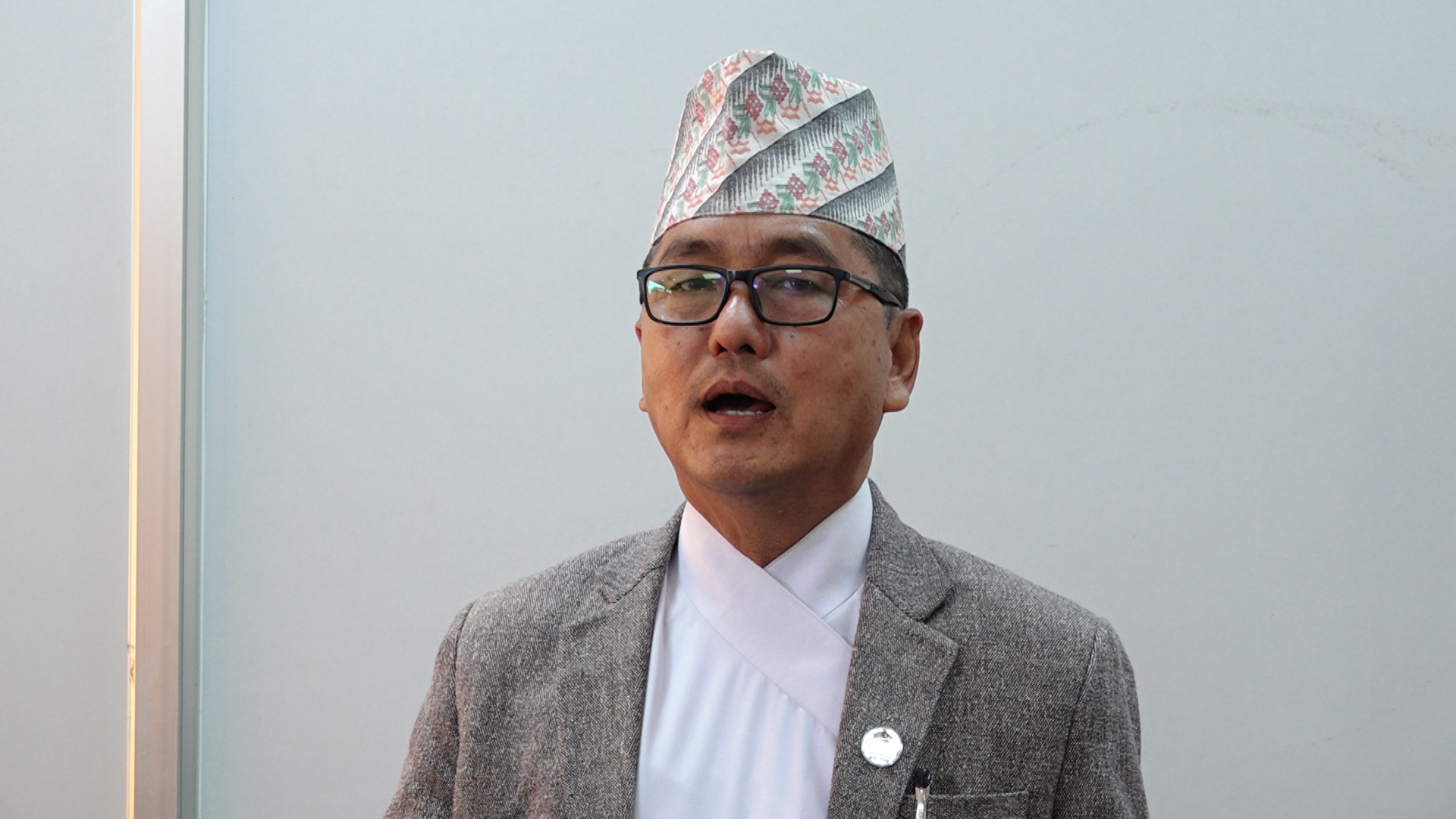
Kathmandu. Vice Chairman of the National Planning Commission, Dr. Gunakar Bhatta has said that institutional strengthening and good governance are necessary for the sustainable economic development and prosperity of South Asia.
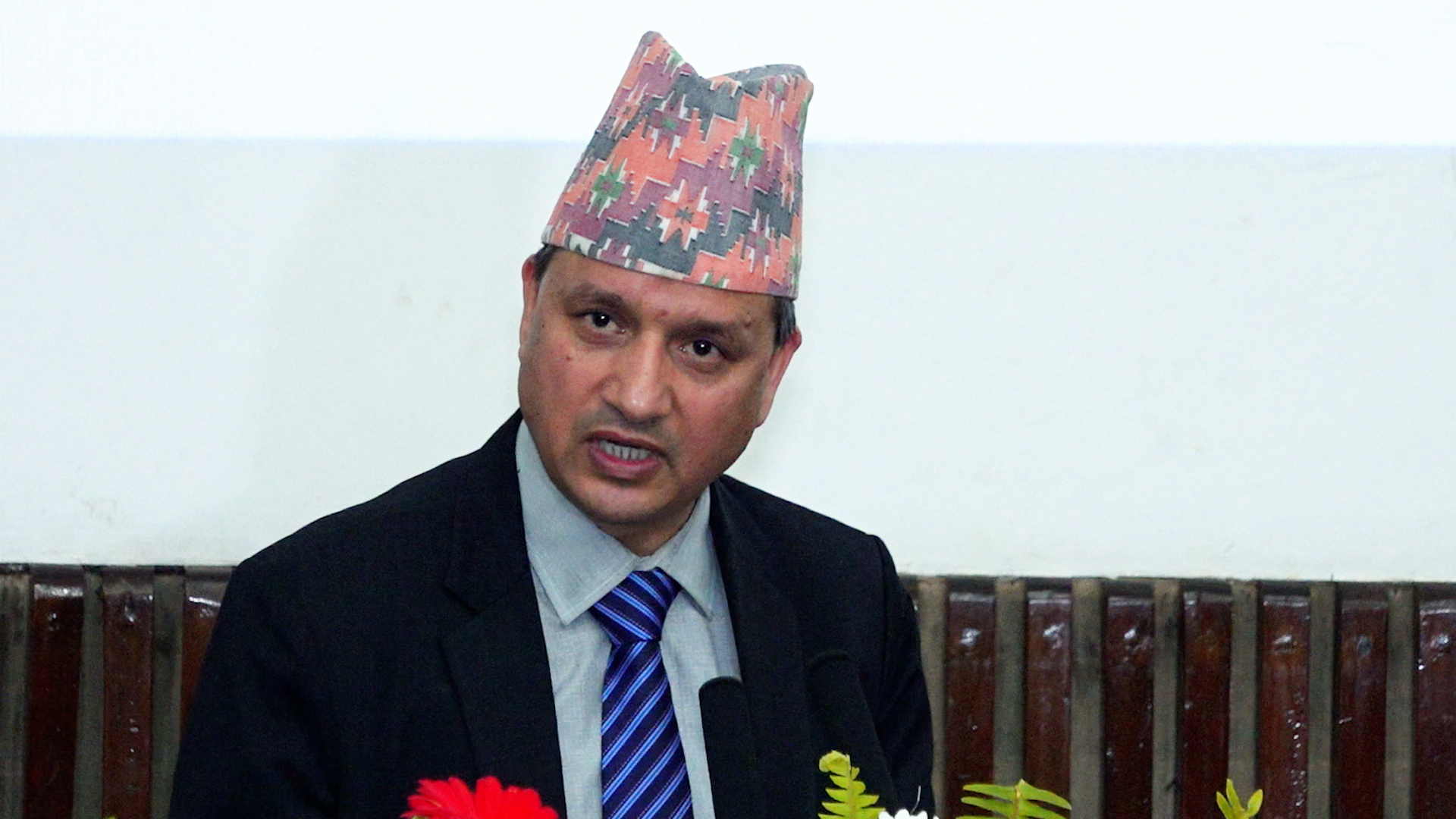
He stressed the need to transform political commitment into institutional accountability by making public administration citizen-centric, transparent and accountable. Addressing an international conference on public administration and good governance in South Asia on Wednesday, Bhatta stressed the need for expanding cooperation and coordination among the countries of the region. “Political instability, poor law enforcement, poverty, inequality, climate change and public service delivery are common challenges in South Asia,” he said. “The fundamental challenge to good governance in South Asia is not just the lack of policies, regulations or institutional structures, but the gap between institutional commitment and genuine service delivery,” he said. In the context of
Nepal, he said inter-governmental coordination, fiscal federalism, administrative capacity and institutional accountability should be strengthened to make the federal governance system effective. He stressed the need of transparent public procurement, effective auditing and timely investigation to minimize corruption in development projects and service delivery.
“Strengthening digital governance should be our priority, which provides a significant opportunity to improve service delivery, reduce administrative delays, increase transparency, and make public bodies accountable to the public,” Bhatta said. He stressed the need to move forward from centralized decision-making to participatory decentralized governance, process-oriented administration to result-oriented service delivery and fragmented development plans to coordinated and integrated planning.
It is not only the responsibility of the government but also the need of collaboration among the private sector, civil society, media, academia and the citizens.
Similarly, Executive Director of the Administrative Academy, Dr. Ram Prasad Ghimire said that the public administration should be developed from a mechanism of control to a system based on sympathy, promptness and trust.
He said that citizens will experience the state through the employees and government offices who provide services rather than policies and laws. “At that moment, the social contract either survives or ends,” he said.
Ghimire said that ethics, inclusion and capacity should be the three basic commitments to make public administration effective.
According to him, morality should not be limited only to refusing bribe, but should be linked to the sense of responsibility and concern towards the citizens.
He urged the participants of the conference to openly present the shortcomings of the public administration, disagreements and the realities of the ground level. He said that there should be an open discussion on the ways to improve by questioning the old working style.



 प्रतिक्रिया दिनुहोस्