

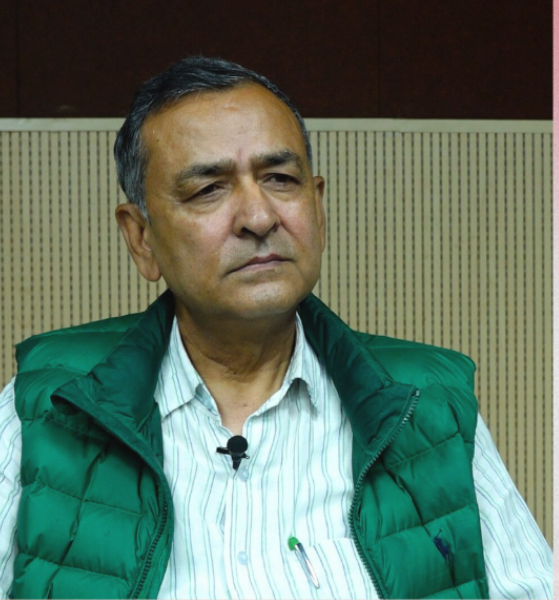
It will be difficult for gas industries to go for merger if they do not get tax exemption: Chairman Chand
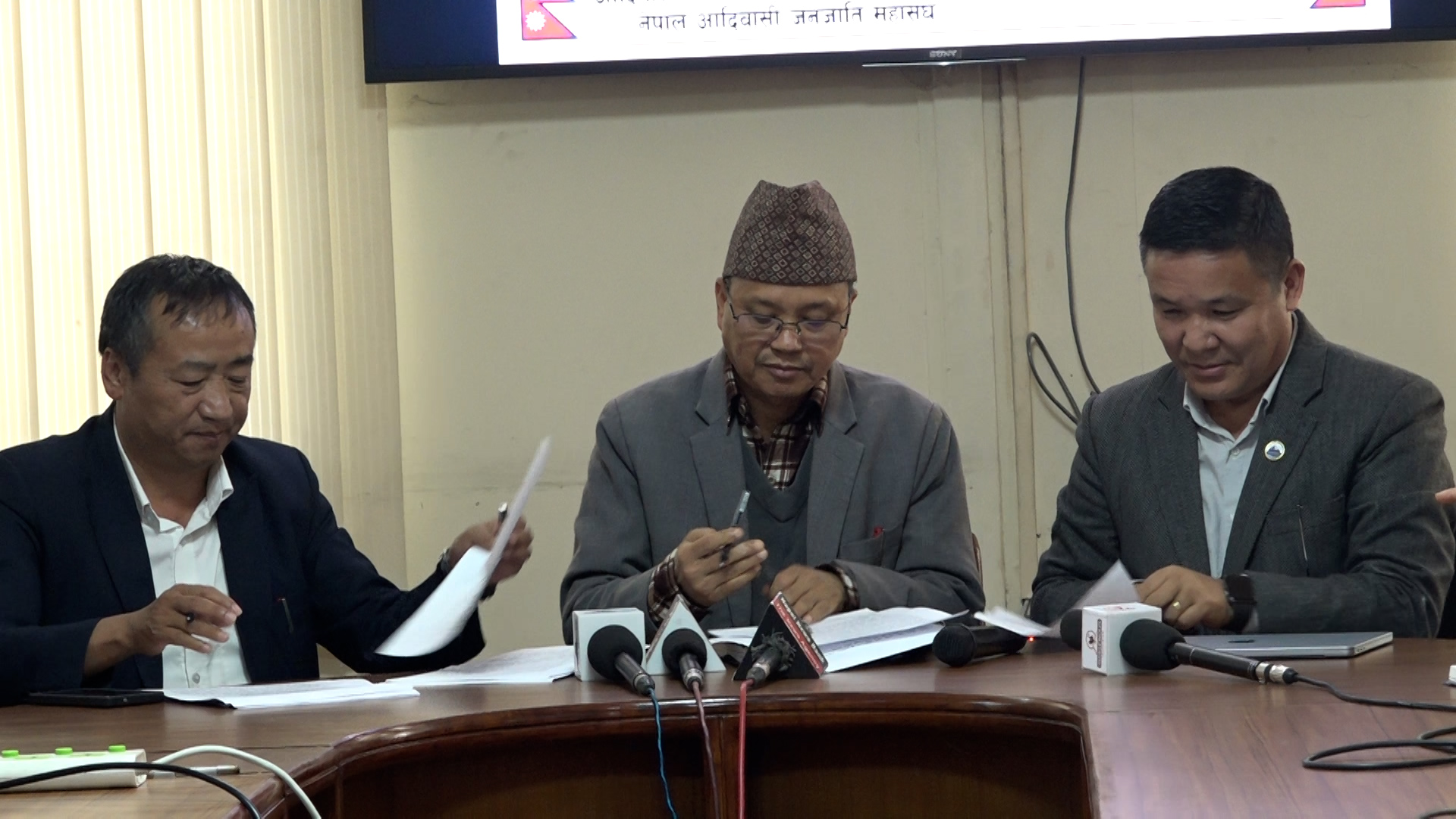
Kathmandu. Diwan Chand, president of Nepal LP Gas Industry Association, said that it would be difficult for gas industries to go for merger due to the lack of income tax exemption and legal facilitation. He said that although the government has adopted a policy to streamline the business by reducing the number of industries, the merger process cannot proceed as desired by the industrialists without tax exemption.
According to Chand, the gas industrialists are willing to reduce the number of brands and industries and move to integrated management. However, he demands that the tax liability created by the provisions of the Income Tax Act should be removed during the merger.
According to him, although the government has adopted a policy of giving priority to merger, it has not made a clear provision to provide necessary tax concessions to industrialists.
“Those who need to go for a merger also pay tax. But tax exemption and facilitation are necessary to reduce the number of industries as the government has said,” Chand said.
According to him, if the industries merge with each other and do business under the same brand, then the consumers will also be directly benefited. At present, there is a problem in exchanging cylinders of one brand with another brand of gas while using cylinders of different brands. He said that if the industries merge and establish the same brand, the problem of cylinder exchange will be solved.
“Now there are six brands of six industries, and after the merger, one brand can be maintained. Then there will be no problem in interchanging the cylinders of these industries,” he said. Chand said that when the industries are integrated, the management cost will be reduced and the available resources can be concentrated in one place. He said that since there is no need for separate management and operating structures, more investment can be made in increasing the efficiency of the operation of the industry and improving the quality.
Industrialists hope that this will help in reducing the operating cost of the industry and streamlining the gas supply and distribution system. However, the pricing and market competition system should also be effective to pass on the benefits of the cost of merger to the consumers.
The association has demanded to facilitate the provisions of Sections 57 and 95 (A) of the Income Tax Act, 2058 to allow the industries to go for merger. Amit Agrawal, general secretary of the association, has sent a letter to the executive director of Nepal Oil Corporation, requesting him to make arrangements not to attract these clauses during the merger. The association claims that if the government simplifies the tax system through the corporation, most of the industries are ready to merge with each other.
Meanwhile, in order to make the gas business systematic and transparent, the association has also proposed to sell it at a fair price and provide subsidy to the target consumers through bank accounts. Chand argues that the direct subsidy system will be effective in controlling the misuse of subsidized gas for domestic purposes and its use for commercial purposes.
“Black marketing can be controlled if the money is sold at the price of gas and the money is sent to the account of the person to whom the subsidy is to be given,” he said, “It is enough to identify the recipient of the grant and send the money to his account.” According to him, if such a provision is implemented, it will be easier to identify the consumers who really need the grant. He said that the subsidy should be given through the bank as there is a possibility that other than the targeted group can also take advantage of the subsidy being distributed in the name of household purposes.
Chand said that the Nepal Oil Corporation (NOC) has already started the process of developing the necessary system for the distribution of direct subsidies in collaboration with the Rastriya Banijya Bank. However, he said that he did not know why the process was stopped.
“The corporation had also made a system with the Rastriya Banijya Bank. I don’t know why it was stopped later,” he said.
He said that the association is also positive about the proposal to use different colors in cylinders of the same weight to distinguish the domestic and commercial purposes of gas. The association is of the opinion that the existing 14.2 kg cylinders should be made red for domestic purposes and blue for commercial purposes. However, Chand said that he is not convinced that changing the color of the cylinder will completely control the misuse and black marketing in the commercial sector. He said that the association has given its opinion as the ministry and the corporation are trying to implement this provision. The association has proposed to allocate 10 percent of the total gas quota for commercial purposes and the remaining 90 percent for domestic purposes for the time being. It believes that this ratio can be revised later according to the demand of the market. Similarly, Chand said that if the government wants to bring cylinders of different weight to the market, it should give at least two years of preparation time to the industries. He said that it will be challenging to bring back the cylinders that are currently being used while sending cylinders of different weight to the market.
‘At present, 14.2 kg cylinders are being used in hotels and restaurants. If we start sending 19 kg cylinders instead of them, the old cylinders will have to be brought back from the market. This will increase the number of cylinders,” he said.
He said that the investment and operating cost of the industrialists will also increase as they have to produce or purchase new weight cylinders. Therefore, before implementing the new system, adequate time is needed for the management of cylinders in the market, the availability of new cylinders and the investment preparation of the industry.
The association has also demanded that the commission of the gas industrialists should be fixed on the basis of percentage instead of a fixed amount. Chand said that although the market price of gas has increased, the commission amount received by the industrialists will remain constant, which has not increased the income in proportion to the investment and operating cost. According to him, the industrialists are currently getting Rs 31.90 per cylinder. However, the commission amount will remain the same even if the price of LPG reaches Rs 1,300 per cylinder.
“There is a problem when our investment is increasing but the commission is kept in a certain amount. There should be an automatic system on the basis of percentage so that the commission increases when the price of gas goes up and when the price decreases, it decreases,” he said.
According to Chand, earlier gas industrialists used to get a commission of Rs 30 per cylinder and then Rs 31.
90 per cylinder. He argues that the commission should be taken to the automated system as the price of gas and the size of the transaction will increase.
Chand said that the association had raised the issues of merger, subsidy distribution system, color and weight of cylinders and commission of industrialists with the corporation leadership two years ago. He said that these issues were agreed upon in the discussion held in the presence of the then secretary and urged the corporation to implement the decision as per the agreement.

 प्रतिक्रिया दिनुहोस्