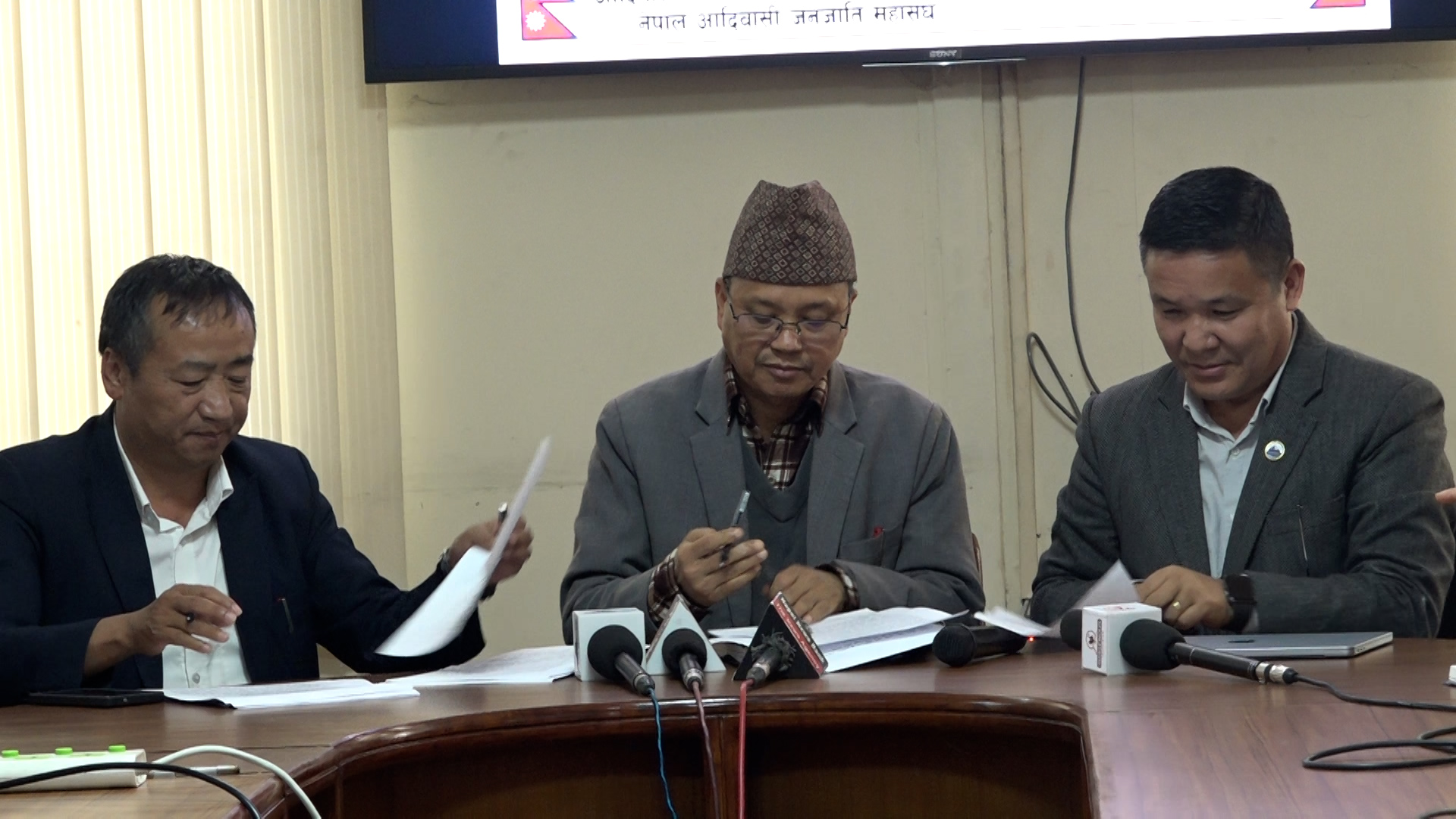


Kathmandu. The lawmakers have stressed that the government should focus on making the media sector systematic, professional and independent rather than controlling press freedom.
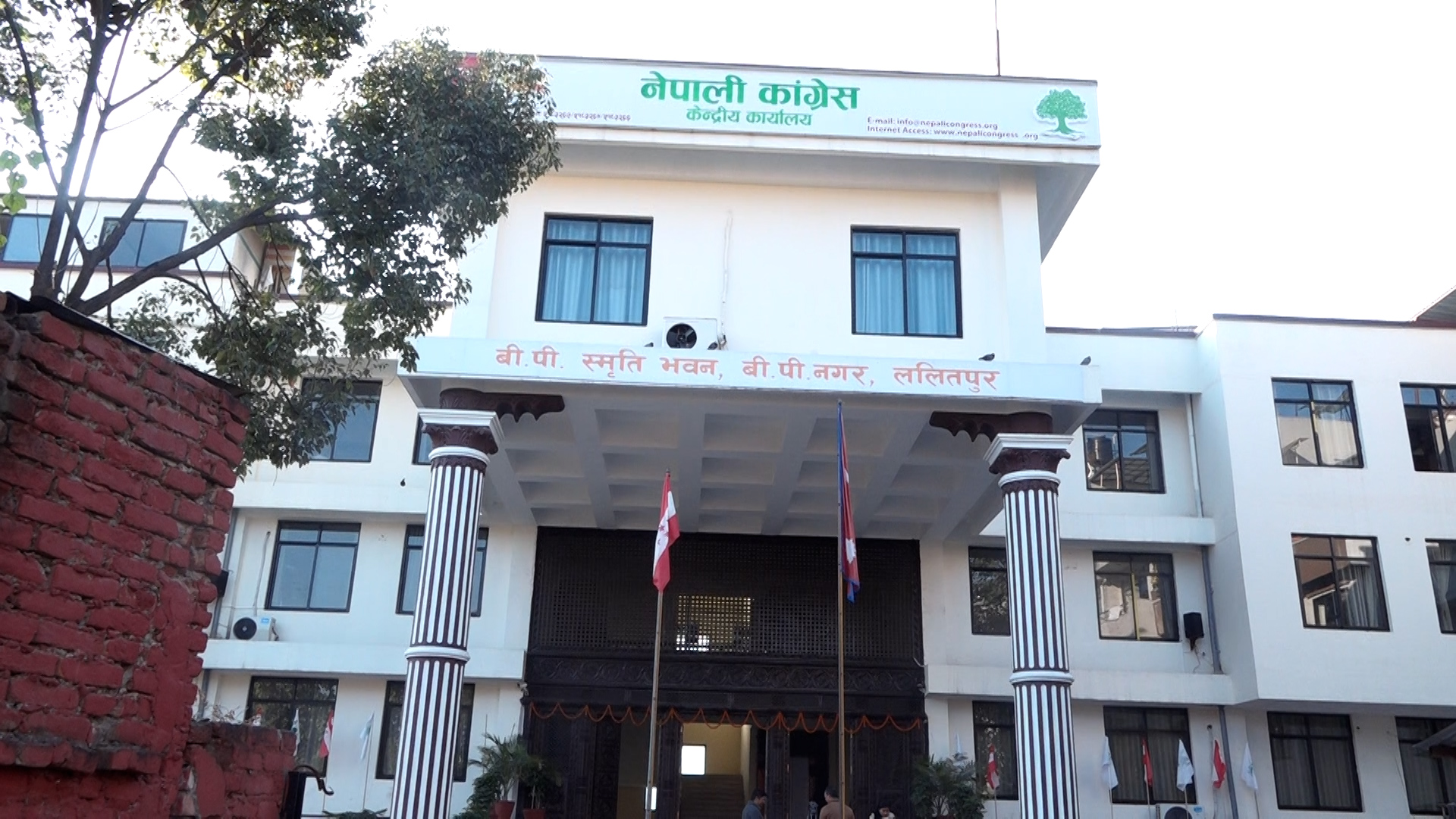
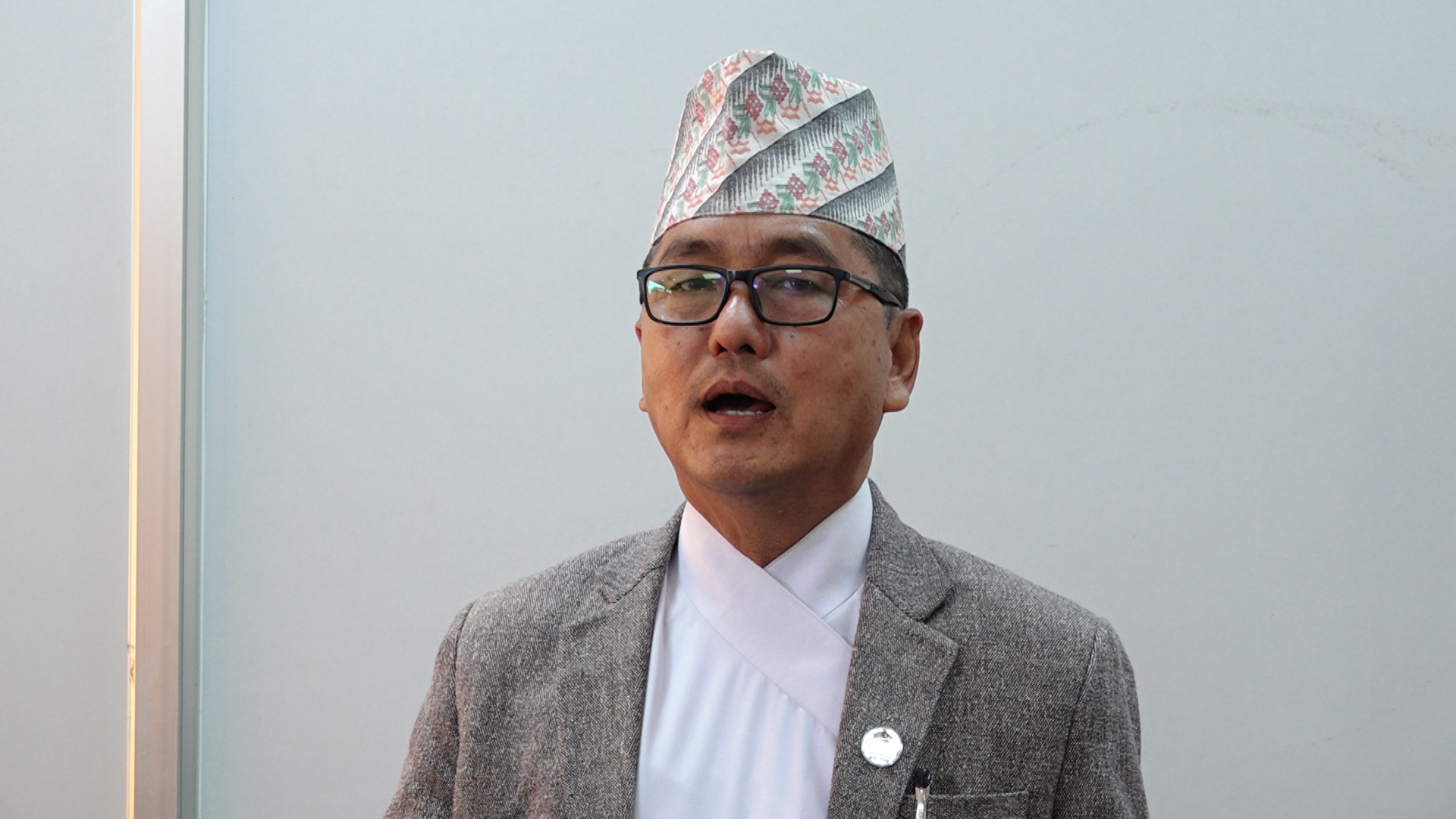
At an interaction on ‘Media Council Bill: Mass Communication Law and Protection of Press Freedom’ organized by the central committee of the Federation of Nepali Journalists (FNJ) in Lalitpur on Tuesday, representatives of the political parties suggested the government to table the bill in the parliament after adequate discussion and consultation with the stakeholders rather than bringing laws through ordinance. In the interaction, lawmaker Aren Rai of the Labour and Culture Party said that the government should take suggestions from journalists, media sector and other stakeholders while formulating laws. He was of the view that it would be better to initiate the process of making laws through the bill after the parliament proven, rather than bringing an ordinance in a hurry when the parliament is closed.
“We should not proceed by bringing an ordinance. The bill can be brought after discussing with the stakeholders,” he said.
Stating that most of the ministers including the Prime Minister did not come from the struggle for journalism and press freedom, Rai said the state should learn from journalists who have been writing in favour of citizens’ freedom and rights for a long time.
He said that there should be no interference in the basic values of inclusion, democracy, republic, secularism and press freedom of Nepal. He warned that any attempt to tamper with these basic values could lead to political discontent and rebellion.
Stating that the opposition might be weak as the parliament is now closed, he said that he would raise questions with the government on this issue after the parliament resumes and would also organize protest programs in the parliament if necessary. He said that if the government tries to adopt an autocratic attitude, he will stand in favor of press freedom and democracy.
Expressing commitment to support the agitation against the interference on journalists and media persons, Rai said that the government should give a clear answer about the reasons for the arrest of journalists, the body issuing the order and the legal grounds. He said that such incidents should not be abandoned only after protesting for some time and questions should be raised continuously until the conclusion is reached.
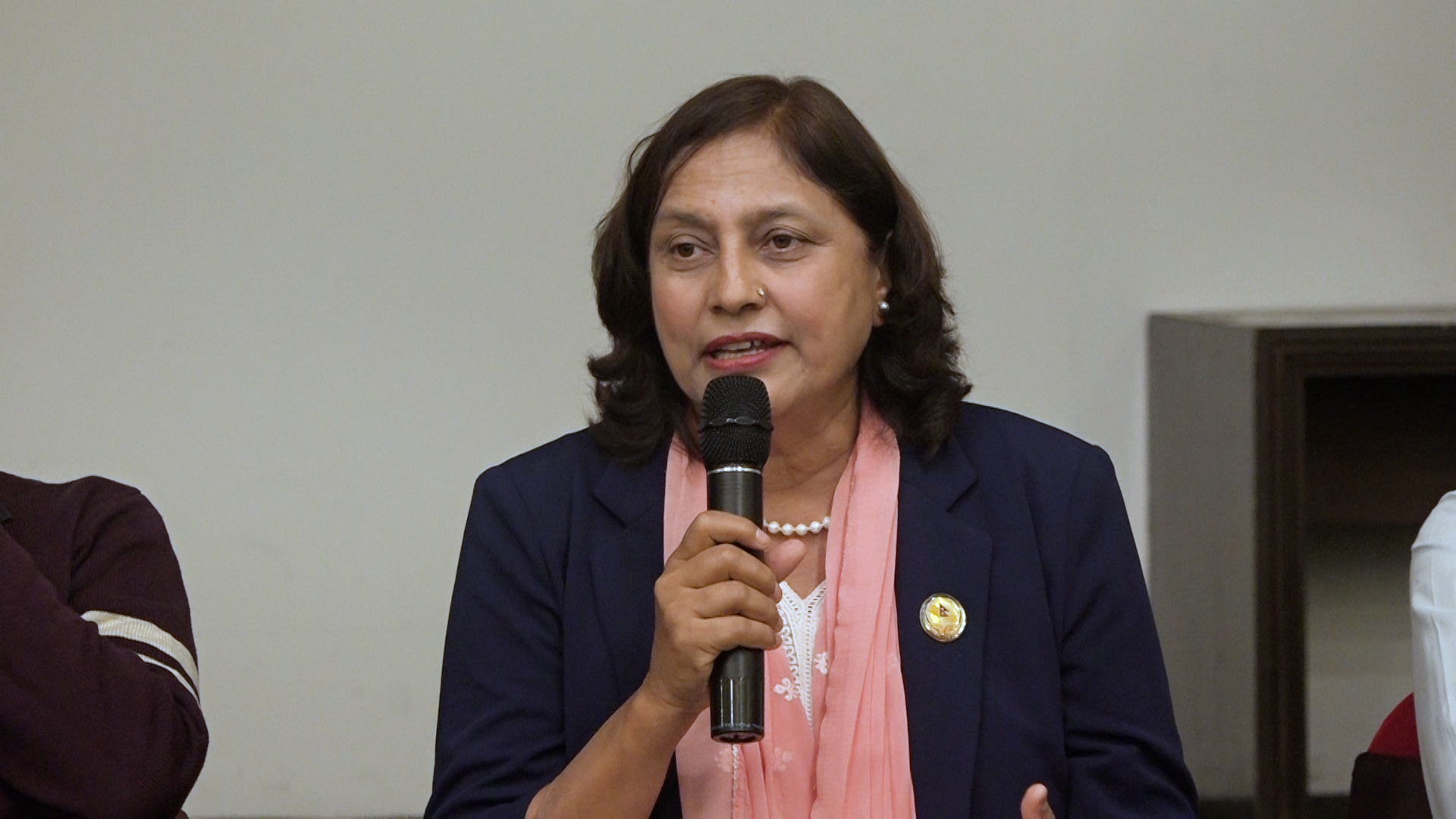
Stating that the role of media and journalists was important to make the government accountable, he said it was the responsibility of journalism to extend constructive support in the government’s good works and raise questions on wrong activities. Likewise, Nepali Communist Party (NCP) lawmaker Balawati Sharma expressed dissatisfaction over the government’s attempts to change the legal and administrative structure in a way to weaken the autonomy of the independent institutions of the state.
She commented that the tendency to rule through ordinances is increasing, there are attempts to curtail press freedom and interference in the independence of law-making and judicial institutions.
Discussing the structure and role of the Nepal Law Commission, Sharma said that efforts are being made to make the commission a branch of the Ministry of Law by changing the system of having an independent person as the chairman and vice-chairperson. He said that the attempt to move the structure in such a way that the law minister himself is the chairman of the commission has raised questions about the autonomy of the commission. Stating that an institution like the Law Commission should contribute to law making beyond the direct influence of the political leadership, she said that the long-term structure of the body should not be determined under the leadership of a single person as the minister’s post is temporary.
She also questioned the proposed provision regarding the judicial structure. She said that the provision in the bill to give the role of conciliation to the district judge along with the delivery of justice has necessitated a debate on the scope and role of the judicial institution.
He said that the autonomy and positive practices of the state institutions should not be weakened in the name of reform. Stressing the need of adequate consultation with experts and stakeholders in the related fields for institutional reforms, she stressed the need for the Federation of Nepali Journalists, legal practitioners and other independent professionals to unite and protect the democratic system.
Sharma said that even if the government changes, the institutions of the state will be long-term. He said that the independence of these institutions is important for all as independent journalism, legal profession and judiciary will be needed even if the people in the government join the opposition in the future.
She expressed concern over the activities of arresting journalists, deploying plainclothes police and putting pressure on the media through advertisement cuts. She alleged that even though the court had issued an order to address the genuine demands of the journalists, it was not fully implemented.
“I don’t think the opinion can be controlled by controlling the journalist,” she said, “A journalist is a person who speaks and writes. Attempts to control such a person cannot protect the freedom of expression.” She said that since the Minister of Communications himself is a person associated with the journalism sector, more positive provisions should be brought for press freedom and the development of the media sector. She said that instead of controlling journalism, a legal environment should be created to make this sector systematic, professional and independent.
Stating that the tendency to govern through ordinance was inappropriate for the democratic practice, Sharma said that although there is a constitutional provision to issue an ordinance when there is immediate legal provision in special circumstances, it should not be made a means of regular governance.
“The ordinance culture itself is wrong. It is not right for the democratic system to resort to an ordinance by leaving the bill while it is in parliament,” she said.
Referring to the ordinance being ruled in Bihar of India for a long time through an ordinance, she said it would raise questions on the legislative authority and role of the parliament if the ordinance was made a medium of regular governance.
Sharma pointed out the need to integrate and systematize the entire law related to journalism and not just the issue related to the Press Council. He stressed that a solution should be sought after adequate consultation between journalists, lawyers, the judicial sector and the concerned stakeholders.
Stating that the verdicts and orders of the Supreme Court should be respected and implemented, she said that all sides should be responsible for protecting press freedom, independence of judiciary and autonomy of democratic institutions.



 प्रतिक्रिया दिनुहोस्