

With the development of AI and high technology, experts emphasize the need to create new employment opportunities in Nepal
Kathmandu. Stakeholders have stressed on the need to transform Nepal from a user of technology to an exporter of innovation and digital services at a time when Artificial Intelligence (AI) and high technology are developing rapidly across the globe.
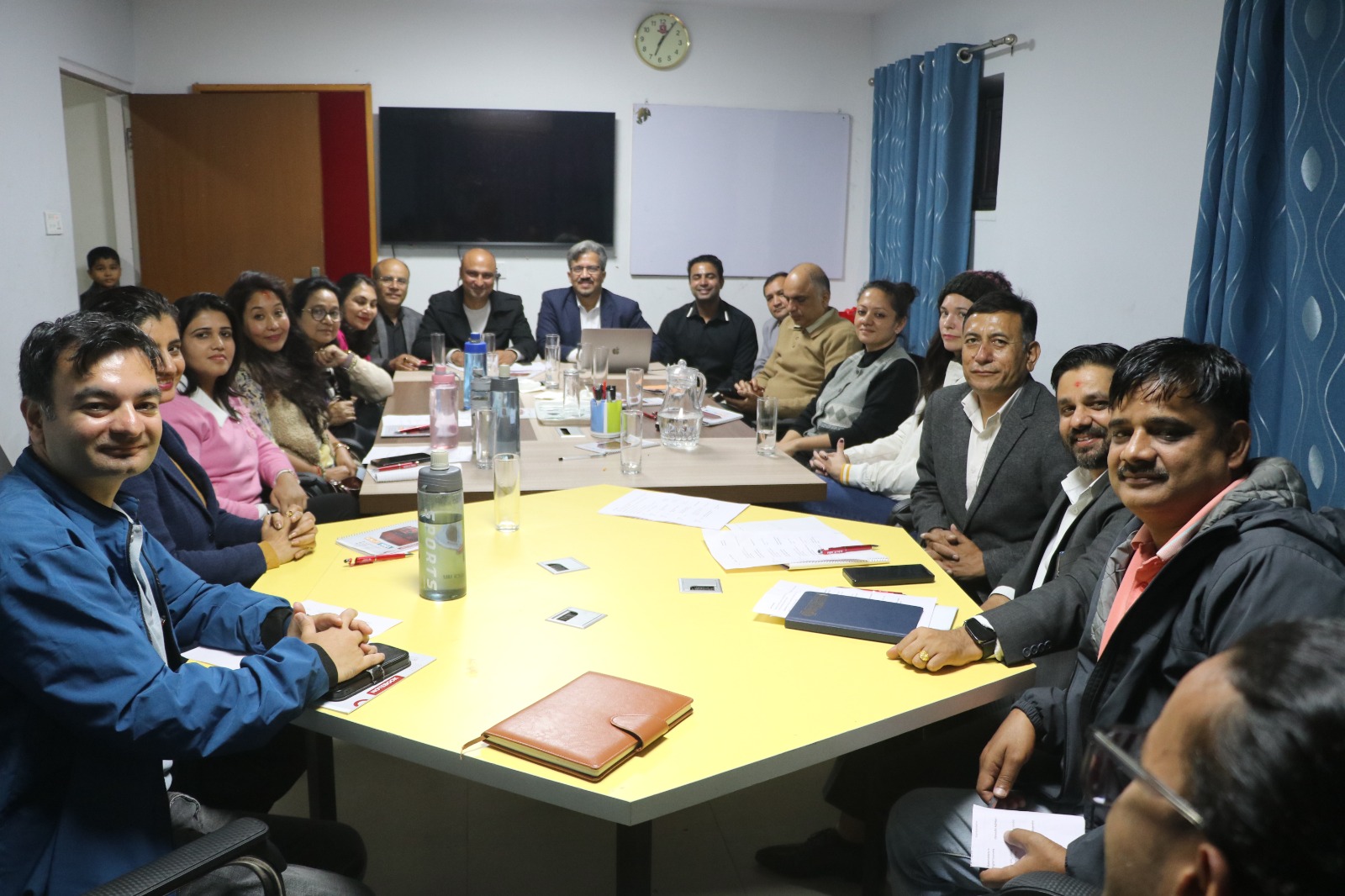
At an interaction titled ‘AI and Hi-Tech Careers: Creating the Next Generation of Employment in Nepal’ organized by the Center for Cyber Security Research and Innovation (CSRI Nepal) at Techspire College, New Baneshwor, experts shared that high-value new jobs can be created through the use of technology.
‘Teaching Software’ is the academic ERP partner and discussed the changes brought by technology in the labor market and Nepal’s potential. In the program, Chairman of CSRI Nepal and advisor of World AI Alliance, Dr. Shaligram Parajuli said that Nepal should adopt a development model of exporting human intelligence, technology and digital services instead of the traditional practice of exporting physical labor.
Stating that Nepal should be made a destination for AI innovation, cybersecurity, business process outsourcing (BPO) and technology export, he said that the youth should not be limited to looking for jobs but should be made technology entrepreneurs. He said that collaboration between the government, private sector, universities and investors is necessary to expand research funding, incubation, mentorship and international market access for a sustainable startup system. Similarly, Chiranjibi Adhikari, Founding President of CSIR Nepal and Acting President of CAN Federation, said that the coming days will be more challenging for those who are not able to adapt to the changes in technology. Stressing on the need of exporting intellectual and technical capacity instead of labour, he said that new skills should be learned on time as per the demand of the market and human consciousness and wisdom should always be kept alert while using technology. During the discussion, it was discussed that with the development of AI, the demand for technical and non-technical roles in the market is increasing. The need for technical experts such as machine learning engineers, prompt engineers, data scientists, robotics engineers, as well as AI auditors, policymakers, and cybersecurity experts to ensure the confidentiality and ethical use of data was pointed out.
In addition, the program presented data that new job opportunities are being created by the collaboration of humans and AI in areas such as health diagnostics, energy engineering surveys, and market research.
Speaking about the university, infrastructure, and policy arrangements, Gajendra Sharma, professor at Kathmandu University and senior vice-president of CSRI Nepal, said that although 17 universities in the country have entered the AI era, there is no clear AI policy yet. He demanded the establishment of AI Excellence Centers in all seven provinces by implementing the six pillars of the National AI Policy 2025: Good Governance, Human Capital, Research, Economic Integration, Public-Private Partnership, and Citizen Rights. On the same occasion, Vice President of CSRI Nepal and Director of Nepal Telecommunication Authority Vijay Kumar Roy explained the role of telecommunication infrastructure and network access in building high-tech human resources. Financial sector experts Bandana Sharma and Sangam Neupane highlighted the new opportunities created by digital payments, cybersecurity, and AI-based security systems in the banking system, while Ujjwal Roy, President of World AI Alliance, suggested that the state should use CSIR Nepal as a think-tank in the field of technology. The program concluded that while AI enhances efficiency, final decision-making and human discretion should not be handed over to technology, and policy clarity and digital skills enhancement are the main needs of the day. The Center for
Cybersecurity Research and Innovation (CSRI Nepal) is a non-profit academic organization working for policy research, technical risk analysis, public awareness, and skilled manpower development in the field of cybersecurity, AI, and information technology in Nepal. CSIR is working in collaboration with government agencies, private sector, and universities to strengthen the digital security of the nation. The organization has also recently announced the ‘Global AI Research Grant 2026’ targeting banks, financial institutions, and insurance sector.
The objectives of this research grant are to develop credible technological solutions and policy frameworks to combat the growing cyber threats, digital fraud and complex challenges of data privacy with the rapid expansion of AI in the financial sector, reduce reliance on external technologies, and connect academic researchers directly to solve the industry’s real problems.

 प्रतिक्रिया दिनुहोस्