

11 bridges built on the Mahakali River: Geography separated by border, relationship connected by bridge
Akanksha Dhami, Nepal News Bank
Darchula. On one side of the Mahakali River is Nepal, on the other bank is India. The river separates the border of the two countries, but it has not been able to separate the language, culture, lifestyle and family relations of the people on the other side.
Once upon a time, it was not easy for the border residents of Darchula to cross the Mahakali River. They were compelled to cross the river to buy daily essentials, meet relatives, get treatment and participate in social activities. For this, the locals had to take a risky journey by tuin and tube.
With the passage of time, suspension bridges started being constructed over the Mahakali River. Bridges were built at various places under the Tuin Displacement Program. At present, 11 suspension bridges are in operation over the Mahakali River that connects Nepal and India in Darchula, said Chief District Officer of the District Administration Office, Darchula, Vartaraj Poudel. He said that there is only one wooden bridge and only one motorable bridge.
He said, “There are 11 suspension bridges, one wooden bridge and a motorable bridge, which will be operational soon.
The bridges built at Pulghat, Dattu, Sitapul, Tigram, Joljivi, Lali, Banku, Badugaon, Malgaon and Malghatte of Khalanga have made the movement of the border people easier. These bridges are not only the structures to cross the river but also continue the social, economic and cultural relations of the border people.
From suspension bridge to motorable bridge
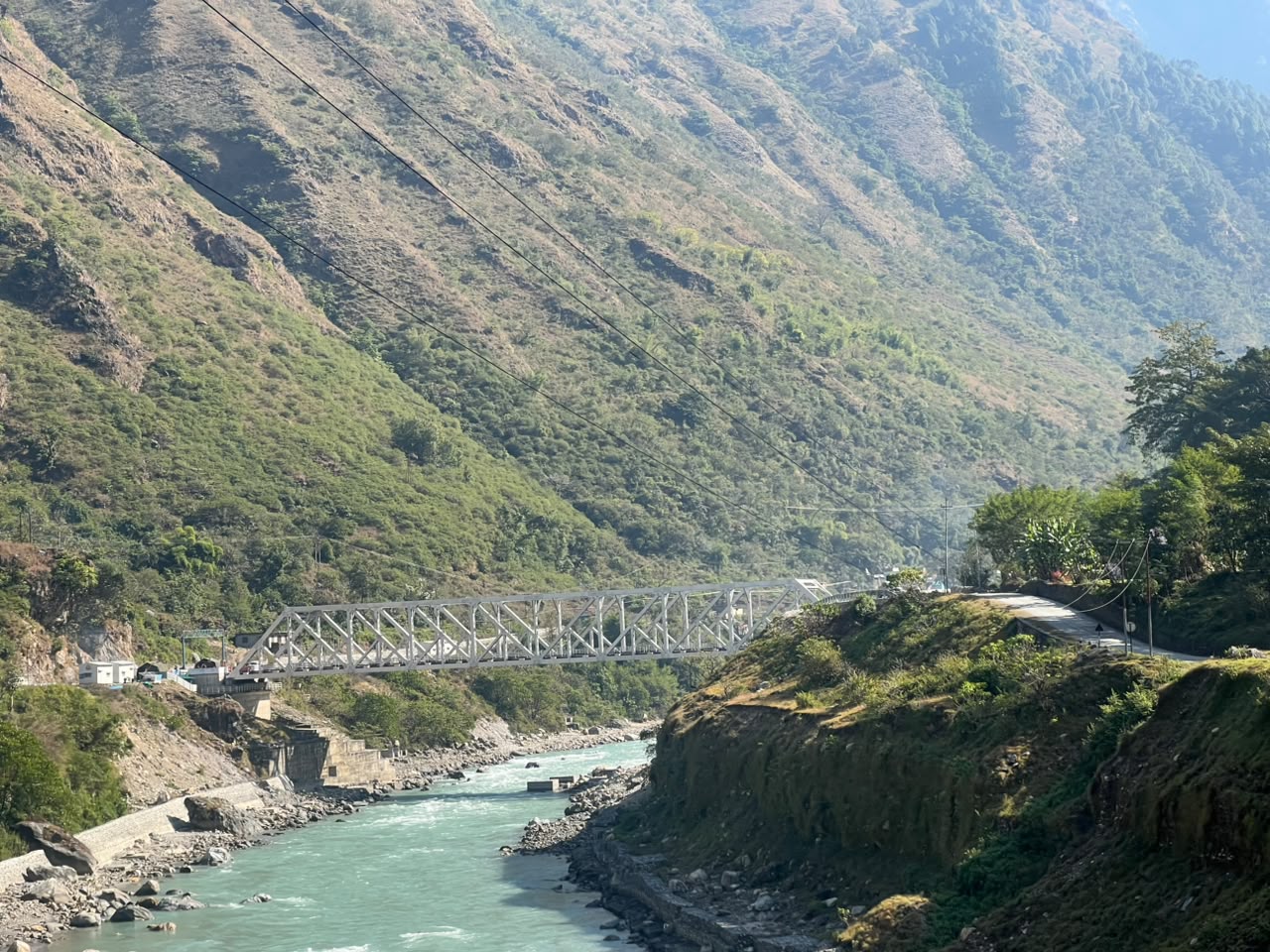
Another important infrastructure has been added to the border traffic of Darchula. The construction of a 110-meter-long two-lane motorable bridge connecting Asigada of Mahakali Municipality-8 and Charchum of Dharchula area of Pithoragadh district of India has been completed.
This bridge, constructed with Indian assistance, is the first motorable bridge connecting Nepal and India in the hilly districts of the far west. With the construction of the bridge, it is expected that trade and business connectivity with India will be expanded for the people of Darchula, Baitadi and Bajhang. What changes did the
bridge bring?
After the construction of the bridge in the border area, the movement of the locals has become easier. The people who cross the river to buy daily essentials, meet their relatives and maintain social relations have been relieved. After the operation of the motorable bridge, more possibilities can open up in the fields of trade, tourism, health care and transportation.
It is expected that it will be easier for the patients going from Darchula to Pithoragarh of India for treatment. Similarly, the bridge will also play a role in expanding the trade of local products, herbs and agricultural products.
Although the Mahakali River separates the border between the two countries, the bridges continue to connect people.
These bridges are not only the physical infrastructures in the development journey of Darchula, but also the basis for easy life and possible prosperity of the people along the border.



 प्रतिक्रिया दिनुहोस्