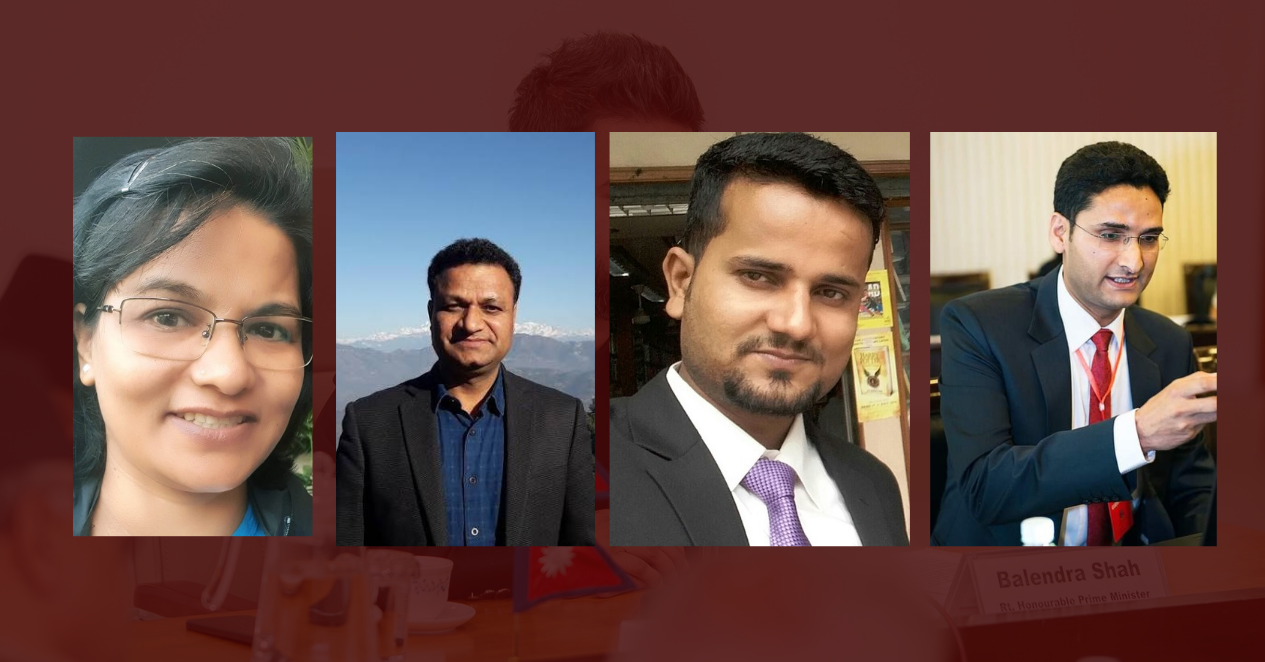


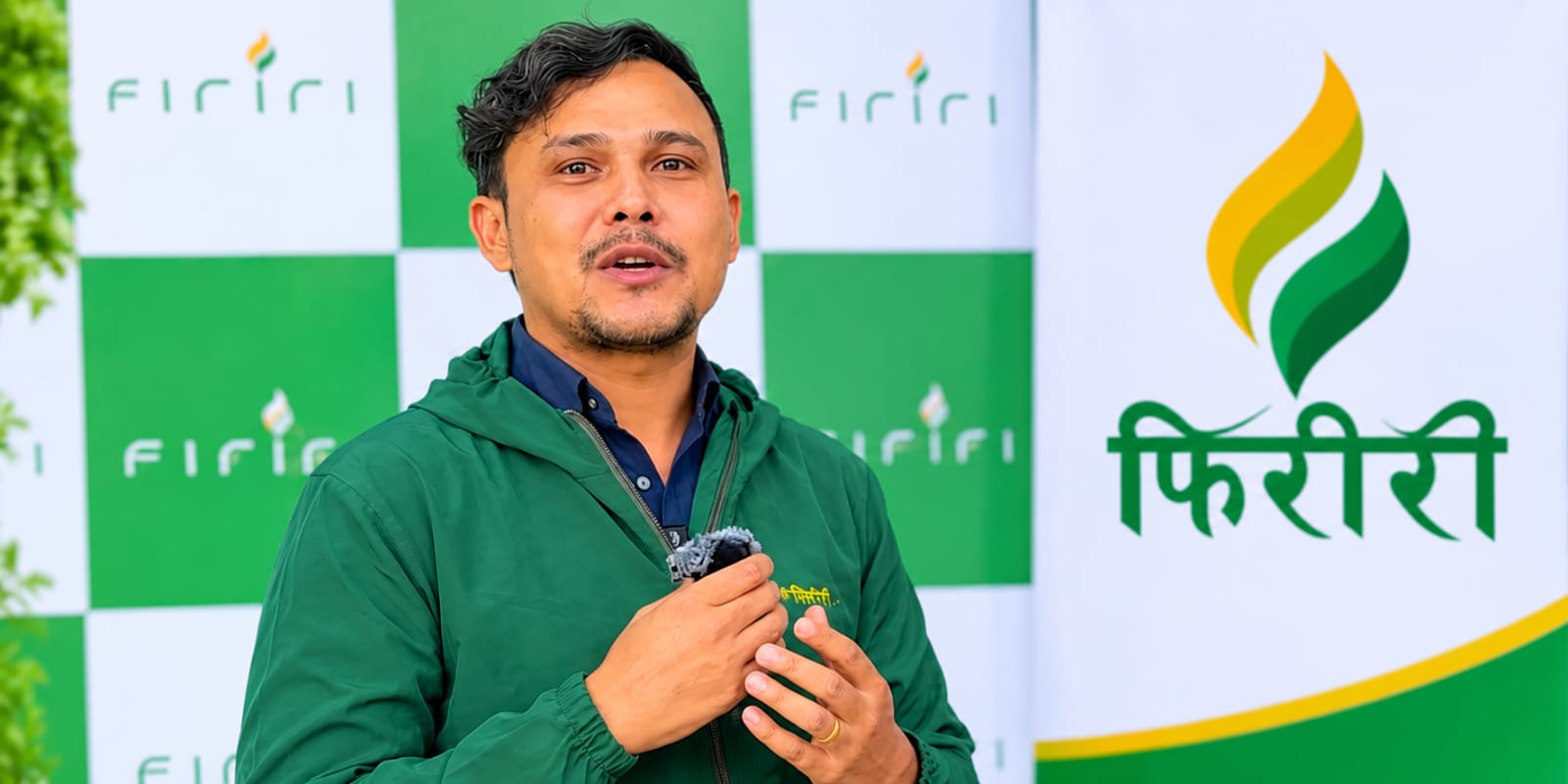
Kushal Khadka
Even though ride-sharing services are expanding in Nepal, riders, passengers and service providers are facing various problems and confusion due to the lack of a clear and integrated policy to manage this sector. The need for government policies to regulate fare fixation, rider income, service charges and competition among companies has come up again in the debate. There is a need to make the ride-sharing sector just and systematic.
Riders should get a fair price for their labor, passengers should get a fair fare and all ride-sharing platforms should operate within the same clear policy. This question is not just a general fare dispute, it is related to the long-term future of Nepal’s digital transportation sector.
Rider’s earnings and passenger’s fare should both be fair
Ride-sharing services need to maintain a balance between the rider’s income and the fare that the passenger has to pay. The rider should not be able to earn a respectable income by deducting fuel, vehicle maintenance, time and other operating expenses even if he works all day.
Similarly, there is a need to manage the tendency to increase fares unnaturally by taking advantage of the compulsion of passengers during rains, traffic jams, peak times or festivals.
A system should be developed to ensure fair earnings for the rider and fair fare to the passengers. In the name of the interest of one party, there should be no financial burden on the other party.
All companies should have the same rules, competition should also be the same
There are various digital platforms operating in Nepal that provide ride-sharing services. But the service charges, commissions, fare fixing, and business models of the companies are different. In such a situation, if the same standards are not applied to all service providers, the competition environment and market transparency may be questioned.
Therefore, there is a need for the government to make clear legal and policy provisions for the ride-sharing sector.
The government needs to formulate common standards incorporating the basis for fare determination, protection of minimum interest of riders, responsibility of service provider, safety of passengers, insurance, grievance redressal and consumer rights.
The same rules should apply to all platforms operating in the market, not in a way that is favorable to one company and not to others. To ensure healthy competition, the government should prepare a clear basis for regulation.
Phiriri, a digital platform developed in Nepal, has prioritized a business model that is different from the existing practice in the ride-sharing sector. The company has currently decided not to charge service commission from riders, i. e., to operate the service through a 0 percent commission model. This model has been introduced so that riders can get the most out of their hard work, passengers can get the service at competitive and transparent fares, and there is healthy competition among the companies.
The ride-sharing business should not be limited to just app operations and market expansion. It should be able to contribute to the livelihood of thousands of riders, the daily needs of passengers, and even to Nepal’s digital economy.
With the expansion of the ride-sharing sector, it is also the responsibility of the government to regulate it. In the absence of a clear policy, there is a risk of companies operating their own services, creating confusion among riders and passengers, and increasing unhealthy competition.
Therefore, the government needs to come up with an integrated policy after consulting with the concerned ministries, the Department of Transport Management, provincial and local governments, ride-sharing companies, rider representatives, and consumer rights activists. We are ready to work with the government, riders, passengers and other service providers to play a positive role in making the ride-sharing sector organized, safe and sustainable.”
(The author, Kushal Khadka, is the founder and CEO of Firiri, a digital platform developed in Nepal)

 प्रतिक्रिया दिनुहोस्