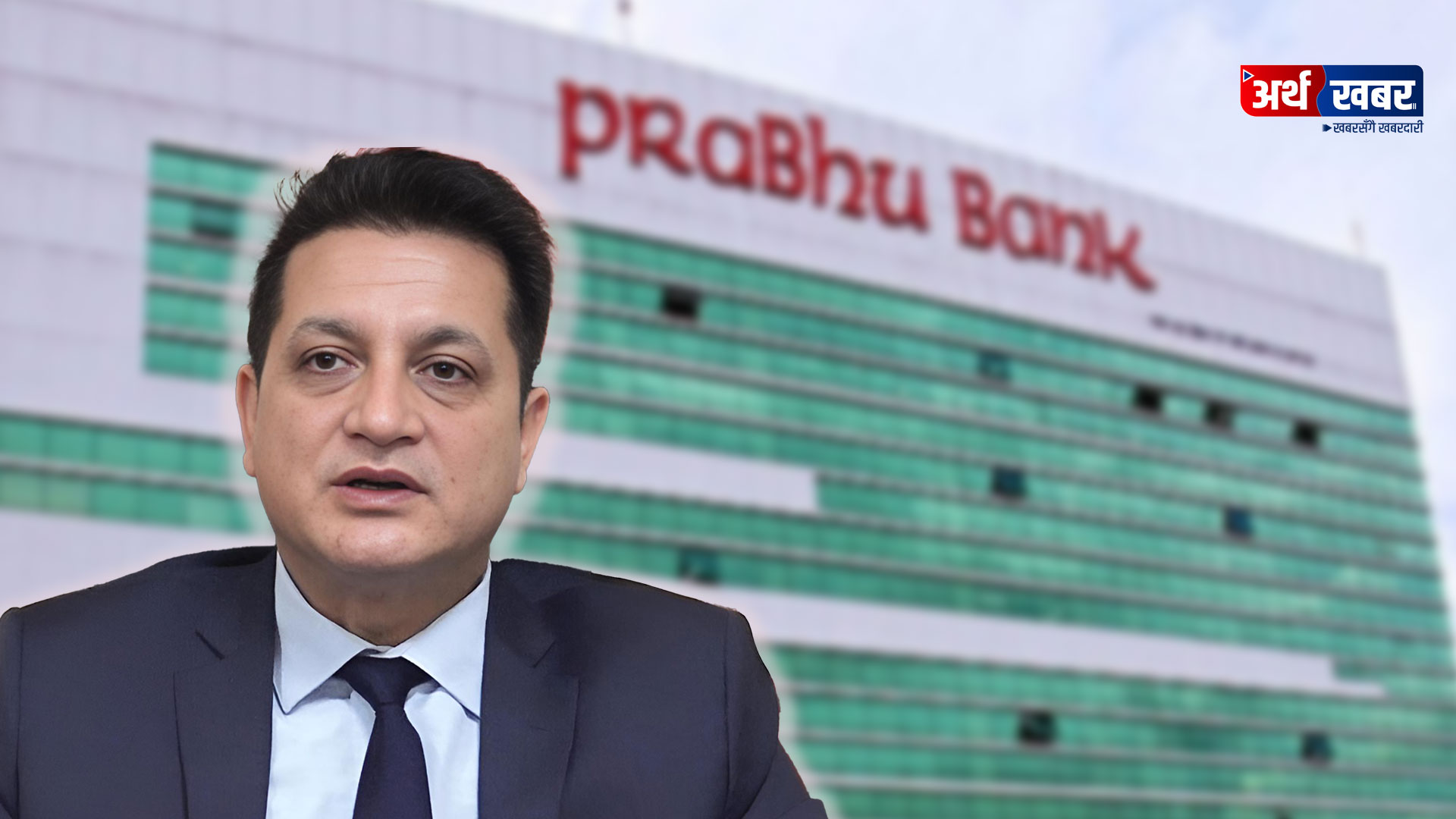


Kathmandu. KATHMANDU: Chief Executive Officer (CEO) of Nepal Investment Mega Bank (NIBL) Jyoti Prakash Pandey has been arrested on the charge of auctioning property already owned by the government. Smart cell chief Sarvesh Joshi and others have also been arrested and the police are preparing to present the case in court.
Although the property of Smart Telecom is at the center of the scandal, the development has indicated that it will reach Ncell. In particular, the question of why and how the property that has already been owned by the state was auctioned has also raised concerns over the role of Ncell in purchasing the property.
Smart Telecom’s license was automatically revoked on April 17, 2080 after Smart Telecom failed to pay the dues of around Rs 30 billion to the state. With the cancellation of the license, all the assets of the company were owned by the government as per the law. But even after that, Nepal Investment Mega Bank started the auction process showing the basis of loan recovery.


Smart Cell had also sent a letter to the bank requesting to proceed with the auction process. The bank then issued an auction notice and three companies participated in the bidding. Eventually, the entire property was acquired by Ncell.
However, the CEO of the bank and the officials of Smart Cell were arrested after the police started the investigation with the conclusion that the government property was sold illegally. This incident has made the smart cell case a topic of national debate.
The law prohibits the sale or transfer of any property to a telecom service provider whose license has been revoked. Rule 6 of the Telecommunication Service Provider Property Management Regulations, 2079 BS has clearly stated that such property cannot be sold or transferred to a non-licensed telecommunication service provider. However, the auction process seems to have been conducted ignoring the legal provisions.

According to the then chairman of NTA, Bhupendra Bhandari, the authority had written to Nepal Investment Mega Bank, Nepal Rastra Bank and other stakeholders to stop the auction. But the auction process did not stop ignoring the letters.
Another interesting aspect of the case is the competition in the auction. Professional Business Network Pvt Ltd had proposed Rs 42.5 crore and Transgate Tech Pvt Ltd had proposed Rs 44.20 crore. Ncell, on the other hand, submitted a bid of Rs 4.6 billion, which was 10 times more than the other competitors. As a result, the property went to Ncell’s name.
Meanwhile, the fact that there is a relationship between Smart Telecom’s initial investment structure and Ncell’s current investors has also raised questions. According to the report of the government investigation committee, when Smart Telecom got the license, there was investment in companies including Square Network, Lal Sahu Holdings, whose ownership group and people associated with Ncell were involved.

This has raised suspicions that one company is not paying billions of rupees to the state and is trying to buy the same property again through another company. On top of that, the bank’s decision to proceed with the auction process ignoring the directives of the regulatory body has raised further questions.
Now that the scope of the investigation is widening, Ncell has written to the bank demanding the refund of the amount it had paid. According to sources, the company has asked for a refund of about Rs 4 billion. This has put the bank in a new crisis. There is a risk of legal disputes if the money is not returned, while the financial risk of the bank will increase if it is returned.

In this way, the smart cell scandal has evolved from being just an auction dispute to a multi-faceted case questioning the state’s assets, the role of regulators, banking decisions and the relationship between influential investors in the telecom sector.

 प्रतिक्रिया दिनुहोस्