

, not the road, the policy itself is messy, don’t enforce the rules without infrastructure: Saroj Sitaula
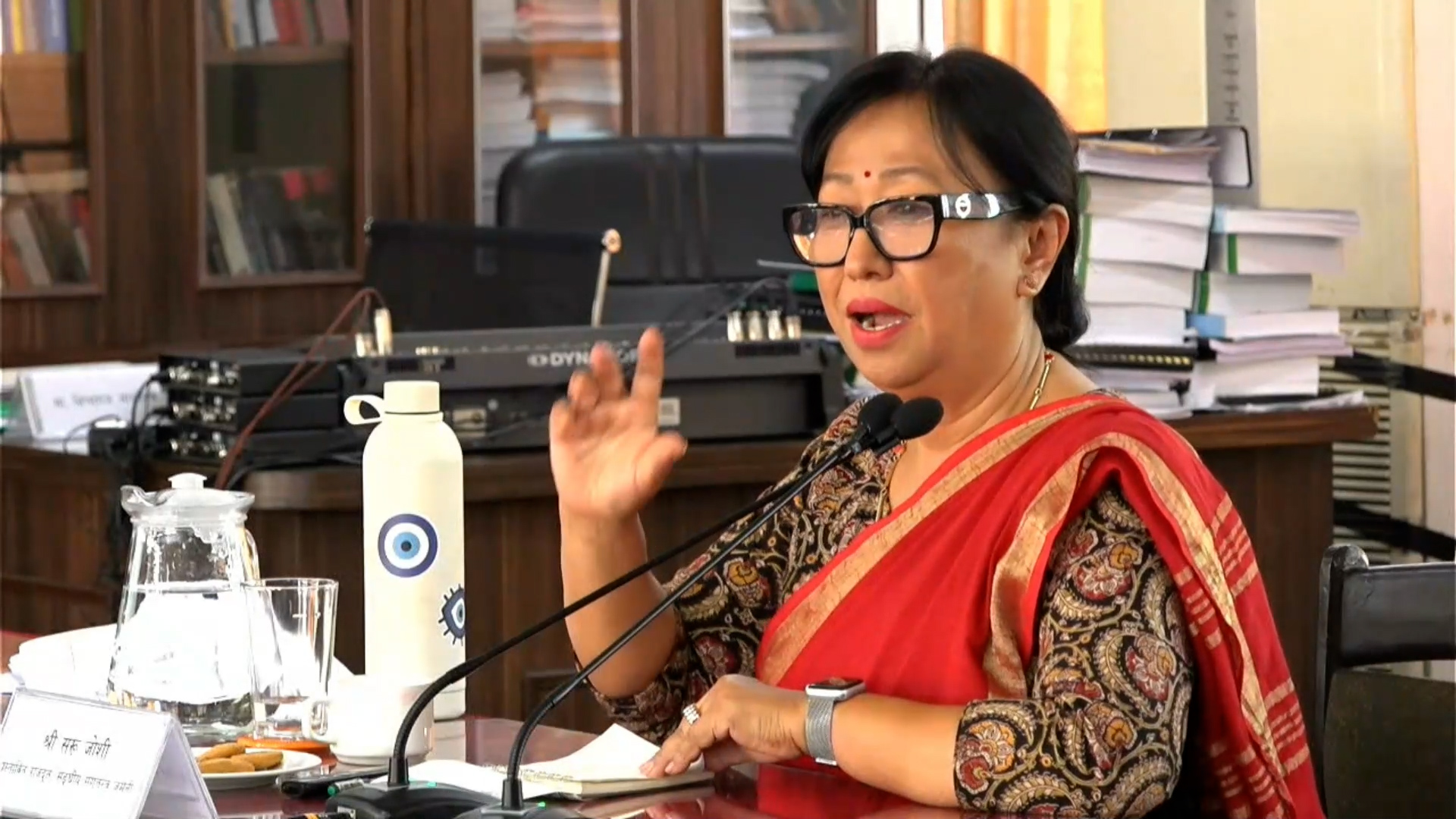
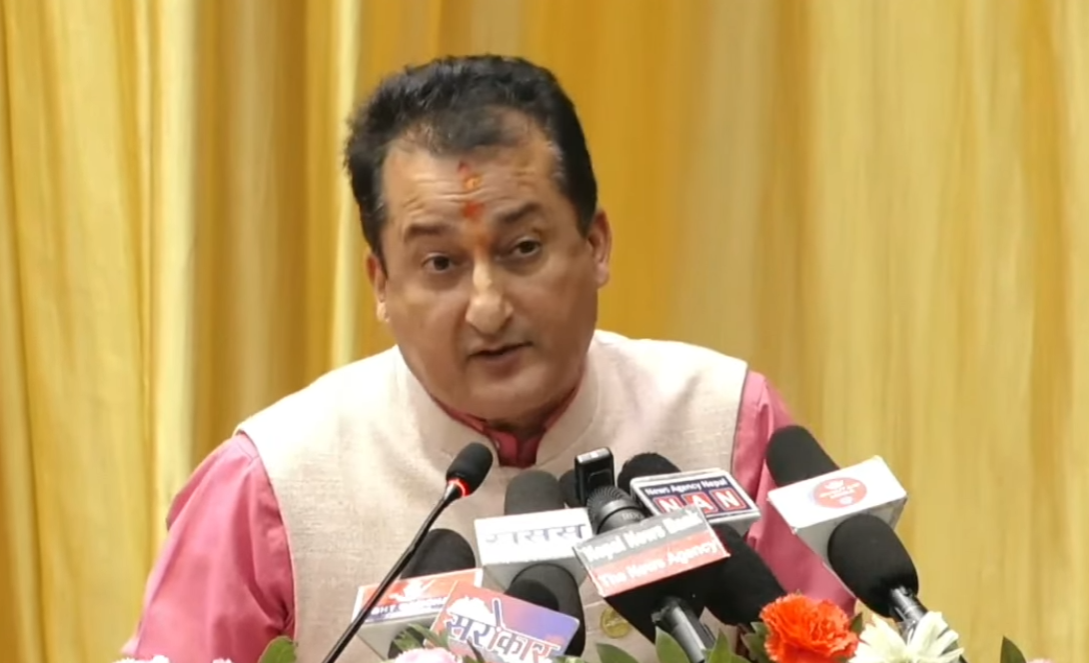
Kathmandu. President of Federation of Nepalese Transport Entrepreneurs, Saroj Sitaula, has insisted on the need of infrastructure and practical policies for traffic management and improvement in public transport in Nepal.
Addressing the 14th anniversary of Metro Traffic FM 95.5 MHz organized at Nepal Police Club in Kathmandu on Friday, he said that Traffic FM has played an important role in traffic management, facilitation and public awareness raising.
He said, “Metro Traffic FM 95.5 MHz is a reliable FM to manage traffic, facilitate traffic, and spread awareness.
I would like to salute everyone from the traffic police personnel to the higher level. “
Sitaula praised the role of traffic police and said that the transport system in the capital would be in disarray without them.
‘When the traffic police are not on the road, the city is in chaos. I also come to Metro Traffic FM. We have come to talk shows leading transport entrepreneurs.
But today it is unfortunate that we have to go from house to house to play Deusi by asking for advertisements. The government should manage it in a special way financially, take it forward in a resourceful way. I would also like to call on the concerned ministry or agency for this. The sound of Metro Traffic FM should reach every nook and corner of Nepal,” he said.
He was of the view that the government should not implement the policy in Nepal just by copying the road management of foreign countries.
‘You should not go to Nepal’s rules and policies by reaching America, looking at the roads of Europe. I have come here with the intention of changing the public transport system of Nepal. Today, investors are not happy, workers are not happy. Why are they not happy because there is no good policy instead of sitting in Singha Durbar,” he said.
Stating that the Kathmandu
Valley is under heavy traffic pressure, he urged the government to prioritise infrastructure development.
There are 23 lakh motorcycles in the Kathmandu Valley. There are more than 26 lakh vehicles, where will they go, so first arrange the infrastructure,” he said.

 प्रतिक्रिया दिनुहोस्