

Film Review
The most important issue raised by ‘Gaunthali’ is education. The film does not present women’s education as just a matter of going to school. Rather, education is associated with independent thinking, self-reliance and self-respect.
‘Gaunthali’: A social story about finding hope in pain
Pramila Karki, Nepal News Bank
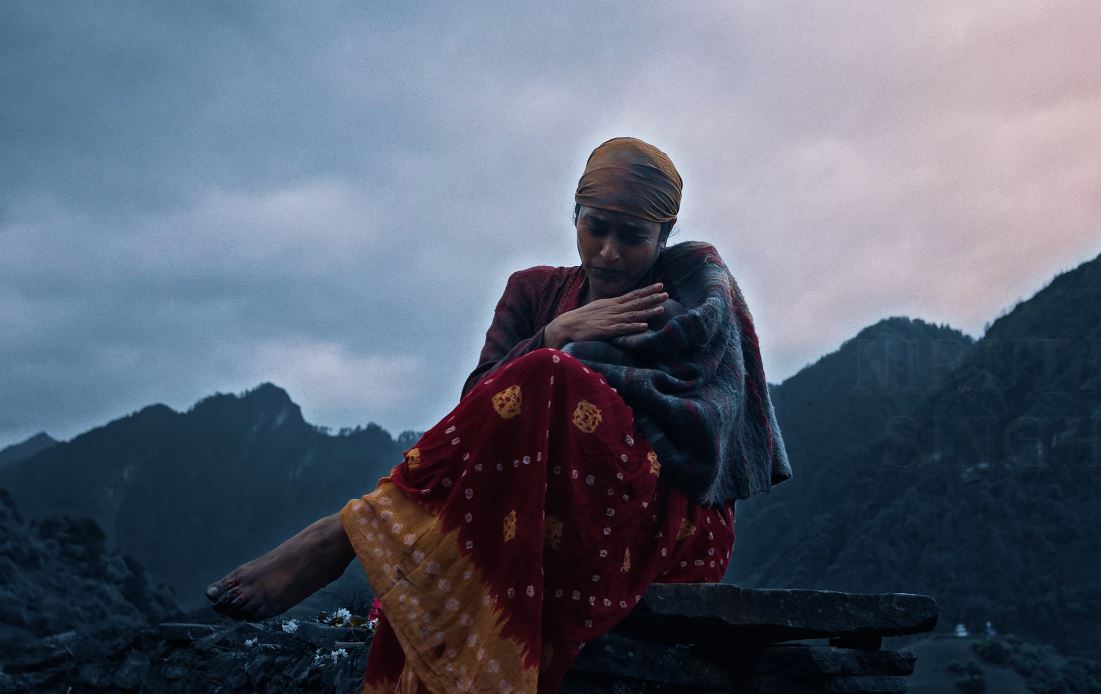
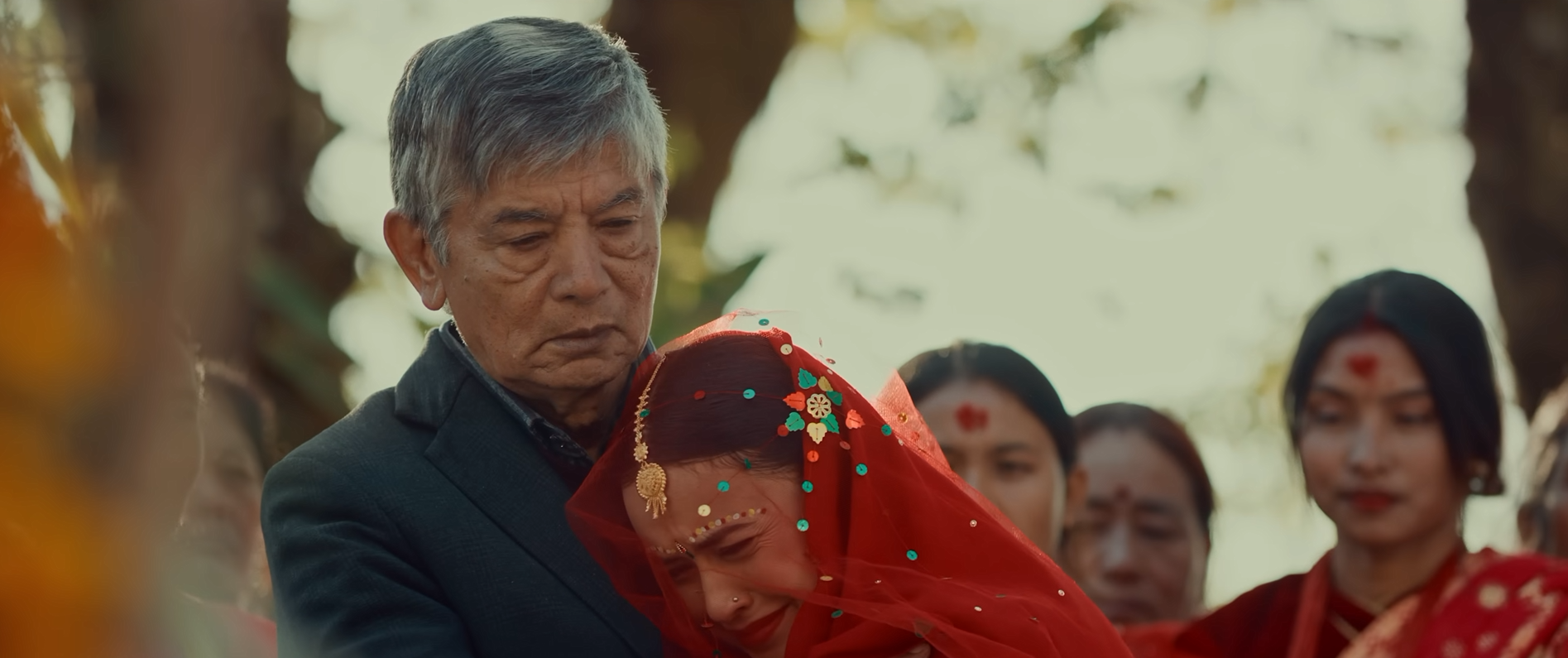
In the last few years, there has been a growing trend of making films centered around social issues in the Nepali film industry. Audiences are also attracted to films that not only entertain but also speak and think about the reality of society. ‘Gauthali’ is a movie that has brought women education, child marriage, family structure, social discrimination and human relations on the screen based on the old context of Nepali society. The film not only tells the story of a woman’s grief, but also the journey of struggling to make her own identity through adversity.
Director Dr. Kapil Rijal, in his second directorial effort, has chosen a different path from light entertainment this time. After his debut film ‘Harry’s Love’ did not get the success of expectations, he has chosen an emotional social story this time. It is up to the audience to evaluate whether the decision was right or not. But one thing is clear – this time the director has put a lot of effort into the story and has shown originality.
The story of ‘Swallows’ is not of today’s time. This is the story of the time when the decision of the family was considered more important than the wishes of the daughter in the village. Women’s education was not given priority. Child marriage was common, and a daughter-in-law’s primary responsibility was to do the housework. The film is based on this social milieu.
The main character of the story, Gaunthali, is excellent in reading. Her dream, like many other teenagers, is simple: to study, pass her SLC and to build her own future. But his dream does not match the dream of the society. The family marries her on the basis of economic status and social status. After marriage, she finds out that her husband is a man with mentally different abilities. From this point on, the film takes a new turn.
Many of today’s movies try to surprise the audience from the very beginning.
‘Gothli’ is not such a movie. It identifies the characters by giving them time. It gradually establishes their family situation, village environment, society’s thinking and relationships. Therefore, the first few scenes may seem dull to some viewers. But as the story progresses, the audience starts to connect emotionally with the characters.
The
director has not tried to twist the story unnecessarily. Every event has a cause and it gives rise to another. That’s why the flow of the story seems natural in many places.
The strongest aspect of the film is the relationship between the ‘squirrel’ and the ‘big’. Unlike a normal love story, there is no romantic dialogue, singing or love showing. Instead, love is expressed through small gestures.
Thule is a character with different mental abilities. But he has no selfishness, no deceit and no sense of entitlement. He just wants to see the squirrel happy. The scenes of herding goats to send the swallow to study, seeing her crying, being sad to see her, not leaving her, make the audience emotional. These scenes remind the viewer of the true meaning of relationships.
The movie conveys the message that love is not just romance, it is also about supporting each other to fulfill each other’
s dreams.
Education is one of the most important issues raised by ‘Swallows’. The film does not present women’s education as just a matter of going to school. Rather, education is linked to independent thinking, self-reliance and self-respect.
Grothali does not want to drop out of school. Even after marriage, she struggles to keep her dream alive. Society has stopped her, her family has stopped her, her mother-in-law has tortured her. But she doesn’t give up. This determination is the most inspiring aspect of the film.
Today’s generation may consider this story to be an event of the past. But in many parts of Nepal, the problems of women’s education, child marriage and gender discrimination have not been completely eradicated. That’s why the subject of the film still seems relevant.
Simran Khadka has done a good job in the role of a ghost. This film rests largely on his shoulders. She has naturally portrayed the journey from a teenager to a struggling woman. His acting is effective not only in the crying scenes but also in the silent scenes.
Arun Chhetri has done a good job in the role of Thule. Playing such a character is very little acting, or too much. Arun has maintained balance in most of the scenes. His childlike behavior, his sincere love for swallows, and a few emotional scenes make for memorable moments in the film.
However, in some scenes, the continuity of his character seems weak. At first, the effects of autism are obvious, but in the middle he looks like a normal person. This has some effect on the credibility of the character.
Luniva Tuladhar has given an impressive performance in the role of mother-in-law. She has acted in such a way that the audience is angry with her character. But the characters have been completely rigid, so it feels a bit more exaggerated than in real life. If there was some human side to his behavior, the character could have been more believable.
Actors like Madan Krishna Shrestha, Prakash Ghimire, Rabindra Jha have also done justice to their roles.
The shooting of the film has presented the environment of the village very well. The greenery, the fields, the old houses, the school, and the natural environment of the village have made the story lively. Some of the scenes are very attractive.
However, some scenes could have had better lighting management and color combination. Some of the frames look relatively blurry. But that doesn’t make the overall impact of the film too weak.
Music is another positive aspect of the film. The songs match the flow of the story. The background score makes the emotional scenes more effective. The music is particularly well accompanied, in scenes of sorrow and hope.
The movie, while good, is not free from some flaws. Some scenes seem longer than necessary. The beginning could have been tighter.
Some events in the story seem a little far from reality. Going to school for a long time without the knowledge of the family or presenting some of the achievements of the end in a very dramatic way may not seem convincing to all viewers.
Similarly, if the backgrounds of some of the characters were shown in detail, it would have been easier to understand their behavior.
‘Swallows’ is not just a story of one woman’s grief. It is a story of the right to dream, the struggle to get an education, unconditional love and social change. The film tries to make the audience cry, but it ends not in despair, but in hope. This is what makes the film different.
There are some shortcomings in the characters, sometimes in the screenplay, sometimes in the scene construction. But these shortcomings do not obscure the main purpose of the film. ‘Gaunthali’ has become a meaningful Nepali film due to the hard work of the actors, the sensitivity of the story and the subject that compels the society to think.
If you like the old setting of Nepali society, women’s struggle, and emotional family stories, then ‘Gaunthali’ can be a good choice for you. This movie gives you the experience of not only tears but also the need for social change and a sense of hope when you leave the theater ।



 प्रतिक्रिया दिनुहोस्