

Rehabilitation after Floods: The Path from Relief to Self-Sufficiency
Narendra Katuwal
Disasters can take away families, homes, businesses and property, but they can be rebuilt through opportunities, skills and entrepreneurship. There can be a separate article on the subject of government initiatives, rescue, treatment, relief and its effectiveness after the Bhotekoshi floods. With this in mind, only a few aspects of the various paths ahead can be mentioned.
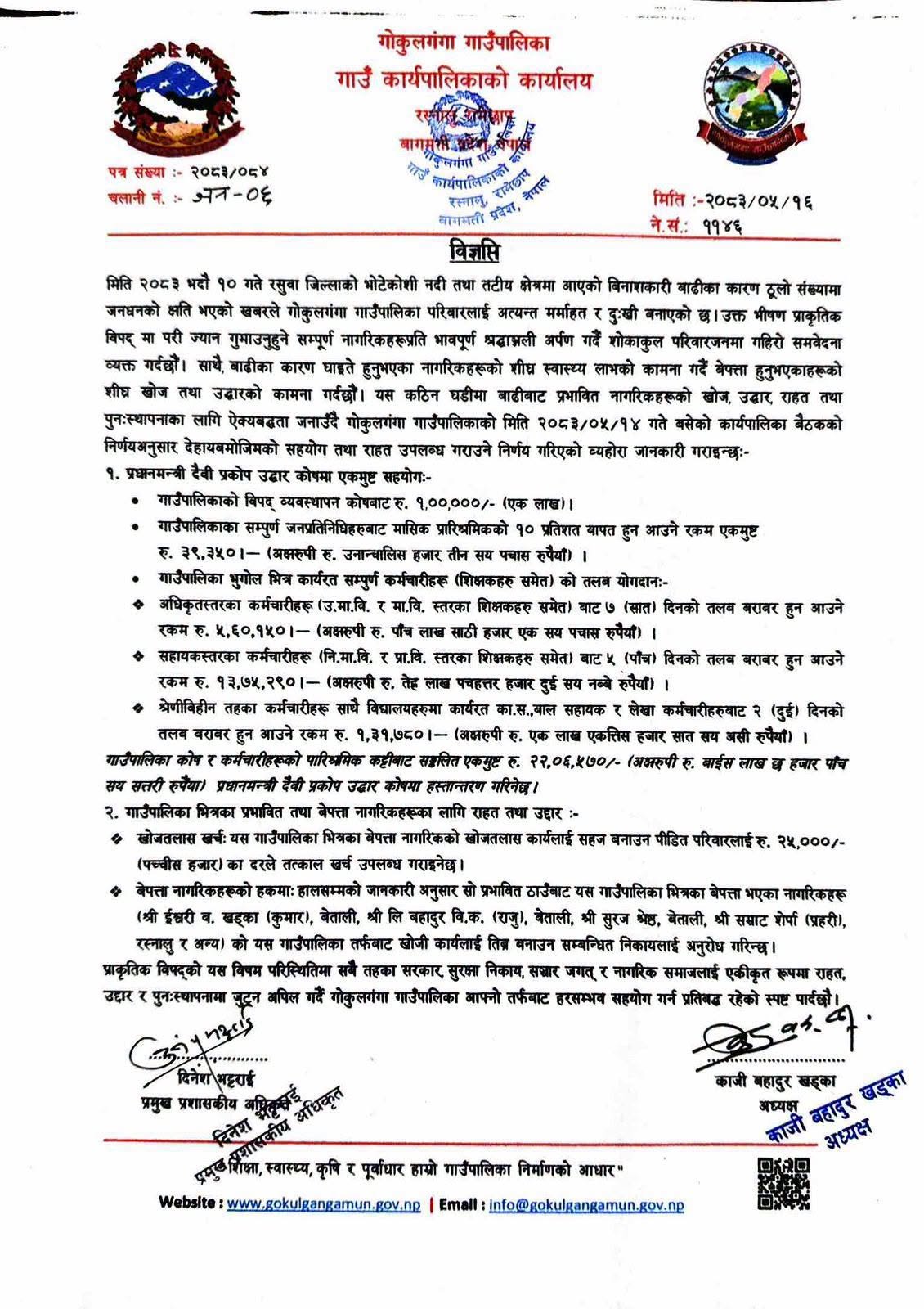
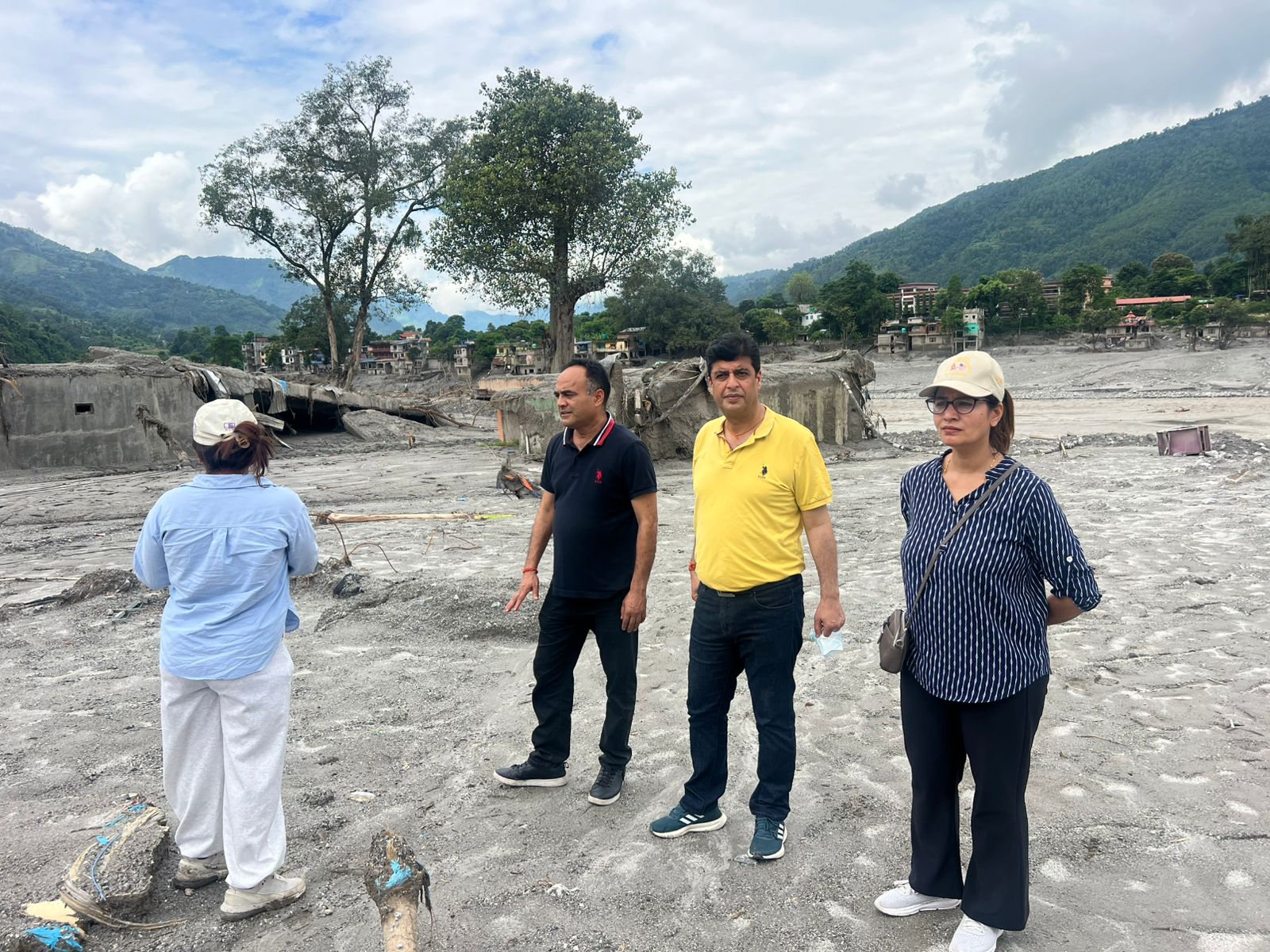
We have come here after dealing with natural and human crises like the devastating earthquake of 2015, the COVID-19 pandemic and repeated floods and landslides. Now again, the devastating floods in the Bhotekoshi have severely affected the livelihood, infrastructure, trade and business and local economy of the coastal region. Indeed, if we look at its impact from the perspective of social engineering, it seems that the Bhotekoshi coastal area has changed its form so that it cannot return to its old state. It has not only caused human and family damage but has also turned into a complete human non-existence from private and government buildings, schools, health institutions, livestock, agricultural sector.
Innumerable details of government obligations have been created by planning at the government level. At such a sensitive time, there is an urgent need for the government to establish effective relations with friendly foreign countries and development partners with utmost dignity and unite the entire country and engage in the reconstruction work with political, economic, social, human management and diplomatic skills.
During such a disaster, the first priority is naturally humanitarian rescue, treatment and relief. The immediate need is the search for the missing people, the treatment of the injured, the relocation of the injured, the provision of food and essential commodities. With all the work done by the government, the next question that comes after rescue and relief becomes more serious: how will the affected families resume their lives? Reconstruction of houses, continuity of children’s education and daily expenses of the family should be maintained. Lost jobs or businesses should be restarted. Loans and financial liabilities should be managed. This is where the real economic recovery after the disaster begins.
Disaster is not only human and physical but also economic loss
It is not enough to see the impact of the Bhotekoshi floods only as damage to roads, bridges, schools, houses or other physical infrastructure. Another important aspect of this is the impact on regular socialization and the local economy. If a family’s shop is washed away, it is not just the loss of a building or goods—the family has lost its source of income. The loss of a family member is a living injury with psychosocial effects on the survivor and the family. If a farmer loses his livestock or produce, it is the impact on the income of the coming months. If the business of a hotel, small business or service provider is closed, then the income of the family and workers associated with it is also affected. In this sense, it is necessary to understand the post-disaster recovery at three levels.
Human rehabilitation, reconstruction of physical infrastructure, revitalization of families and local economies are important aspects. In the first two areas, the role of the state and various agencies is important. But in the third area, the role of local communities, private sector, financial institutions, development partners, and entrepreneurial and business families is equally important.
Important Lessons from Past Crises
One of the important things that came out while working in the communities affected by the 2015 earthquake was that relief can meet immediate needs, but it cannot reconnect families to sources of income for long-term living. The COVID-19 pandemic also taught another important lesson, that supply chain disruptions have undermined the importance of local production, local markets and local enterprises, and economies that rely solely on external sources can be more vulnerable in times of crisis. Therefore, a critical approach to post-disaster recovery is needed. “Affected families should not only be seen as beneficiaries of relief, but as active economic partners in reconstruction. And it is only through this thinking that the affected families can be made self-sufficient in the long term.
Social Entrepreneurship: An Important Basis for Rehabilitation
After a disaster, not all families need the same needs. Some need immediate food, some need help to build a house, some need agricultural inputs, some need livestock, and some need capital to restart their small business. Therefore, after relief, along with the question ‘Who needs what?’ the question ‘How can they start earning income again?’ needs to be prioritized. And this is where entrepreneurship development is important. Entrepreneurship is not just about setting up a big industry. A small and viable business that can be run by a family based on local needs, available resources, skills and market potential is also an important part of entrepreneurship. Agriculture and animal husbandry, vegetable production, goat and poultry farming, tourism and hotels, small retail shops, food processing, local production, handicrafts, service business, etc., can gradually bring the family back to regular income. However, an enterprise will not be successful only by providing capital. Business selection, skills, business plan, geographical and market conditions, cost management, risk management and continuous technical assistance are also required.
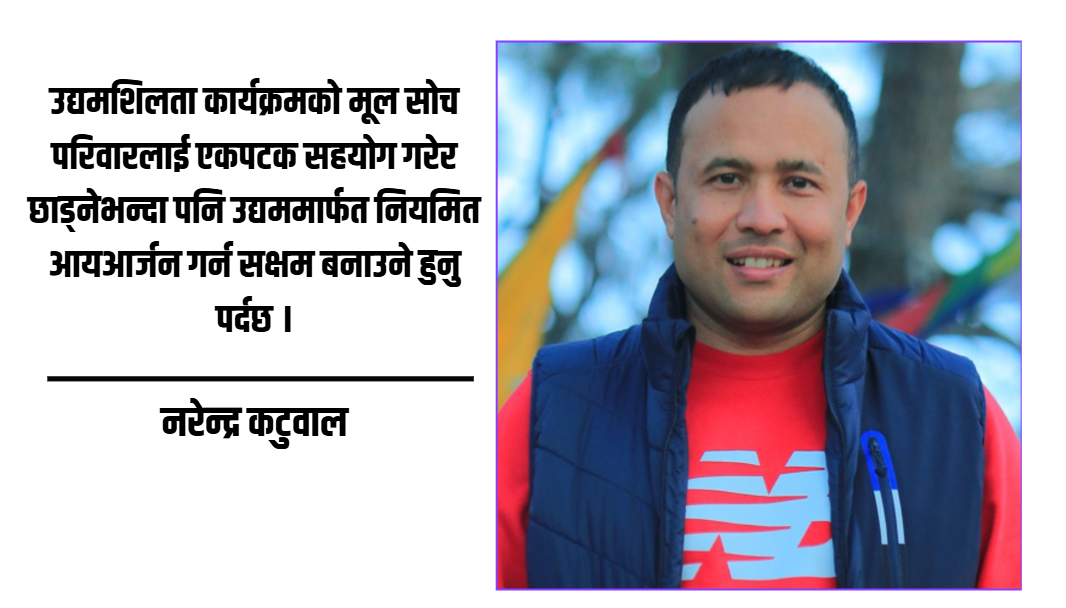
The main idea of the entrepreneurship program should be to enable the family to earn a regular income through the enterprise rather than leaving it once. In particular, it is imperative to try to connect parents and communities with entrepreneurship by focusing on the relationship between children’s education and the economic status of the family, and only this can contribute significantly to the social development of the affected area. In this process, aspects such as the selection of enterprises, professional knowledge and training, initial capital support, business operations, regular technical consultancy and business progress should be taken into account, and such programs are being run by various partner organizations, including the HPF, in different parts of the country. An important lesson can be learned from this: the success of entrepreneurship programs should be measured not only by how many families are given money, but also by how many families are able to convert that support into sustainable income and contribute to socialization. Only then can our efforts be useful in post-disaster recovery.
Recovery from Relief, Reliance from Recovery
In the first stage, relief saves lives, in the second stage, rehabilitation brings life back to normal, and in the third stage, Reliance i. e. the capacity to face future crises is built. Entrepreneurship development can be an important means of connecting between these three stages. For example, a family that has lost a business due to floods needs immediate relief. It then needs the necessary capital and materials to restart its business. Then, in order to make the business more secure and diversified, support may be needed for markets, financial management, new products, or alternative income sources. Therefore, restarting a business in this way is all about restarting a business. Recovery is all about building the capacity to not completely break the family’s income in the event of another crisis in the future.
Local enterprises are needed to keep the local economy moving
After a disaster, relief materials come from outside. But for long-term revival, it is necessary to increase the flow of money and opportunities within the local economy. Local entrepreneurs produce, local workers get employment, local markets are traded, family incomes increase, and the economic base of the local government is strengthened. In this way, the revival of a small enterprise can mobilize not just one family, but the entire local economic system.
Therefore, in post-disaster reconstruction, the reconstruction of roads, bridges, schools, and homes, as well as local businesses and sources of income, should also be made an integral part of the plan.
For this, it is necessary to run the entrepreneurship program carefully. It may not be effective to distribute the same type of business or the same amount to all the affected families in a hurry after a disaster. The situation, ability, skills, interests, available resources, market access and risk of each family is different, while the nature of entrepreneurship in the market area and rural areas is different. Therefore, the enterprise should be selected on the basis of the concept of entrepreneurship, the business of the market, and the future of the business. Similarly, there is a need to continuously provide the support and the need for continuous remediation. The thinking that ‘give money, now the business will run on its own’ will not give sustainable results. Rather, capital, skills, business plan, market, technical assistance, regular monitoring. The program should be carried forward with the concept of sustainable enterprise.
Exploring new opportunities in the rehabilitation of the Bhotekoshi flood-affected area
Rehabilitation programs should be made keeping in mind the geographical and economic characteristics of the Bhotekoshi flood-affected areas. The possibilities of activities related to agriculture, animal husbandry, local production, tourism and hotel business and cross-border trade can be identified. However, it may not be enough to restore the old business as it is. Keeping in mind the risk of disaster, it is necessary to build safe, diversified and risk-resistant businesses according to the concept of ‘Dyagashmi Dyab Dyavatabhach’. This requires collaboration among local governments, private sector, financial institutions, development partners and communities under the trusted stewardship of the federal government.
Priority Now: To get people back on their feet
Today, many families in the Bhotekoshi flood-affected areas need our sympathy and immediate help. But it should not be our aim to keep them in a position to wait for relief all the time. Our aim should be relief today, rehabilitation tomorrow and self-sufficiency. “
Helping the affected families to restart their businesses with education, health, physical infrastructure development, permanent settlement with water and electricity, teaching new skills as needed, developing enterprises based on local resources, and connecting with the market can be a strong foundation for long-term recovery. Time and again, disasters have taught us a hard lesson: infrastructure can be rebuilt, but if the economic base is weak, it takes a long time for families to return to normal life. Therefore, reconstruction should not be just a ‘campaign to build a house’. It should also be a ‘campaign to rebuild families and the local economy’.
Ultimately, human empathy is the greatest strength in times of disaster. Rescue requires the cooperation of the state, security agencies and the community. Everyone’s cooperation is necessary in relief. But for long-term rehabilitation, entrepreneurship, local production, employment and self-sufficiency should be kept at the center along with social and physical development.
We have learned a lot from the past earthquakes, epidemics and natural disasters. Now the time has come to put those learnings into practice and for this, the government should be more responsible, transparent and accountable to the people. We should move forward to maintain national unity by adopting the belief that practical and positive change is possible only when everyone comes together. Only then will there be a true tribute to the families of those who lost their lives in the unexpected disaster of Bhotekoshi. Therefore, resettlement can be more sustainable, respectful and effective only if we can see the affected families of the Bhotekoshi coastal areas including Rasuwa-Nuwakot not only as victims of disasters, but also as potential entrepreneurs and economic partners to build the local economy of tomorrow. We must all understand that relief sustains life, rehabilitation restores life, but entrepreneurship builds the future.
Writer Katuwal has been working in the field of entrepreneurship development for a long time)


 प्रतिक्रिया दिनुहोस्