

. Financial inclusion of people with disabilities is still weak in Nepal and has not been effectively implemented despite legal and policy provisions, a study has found.
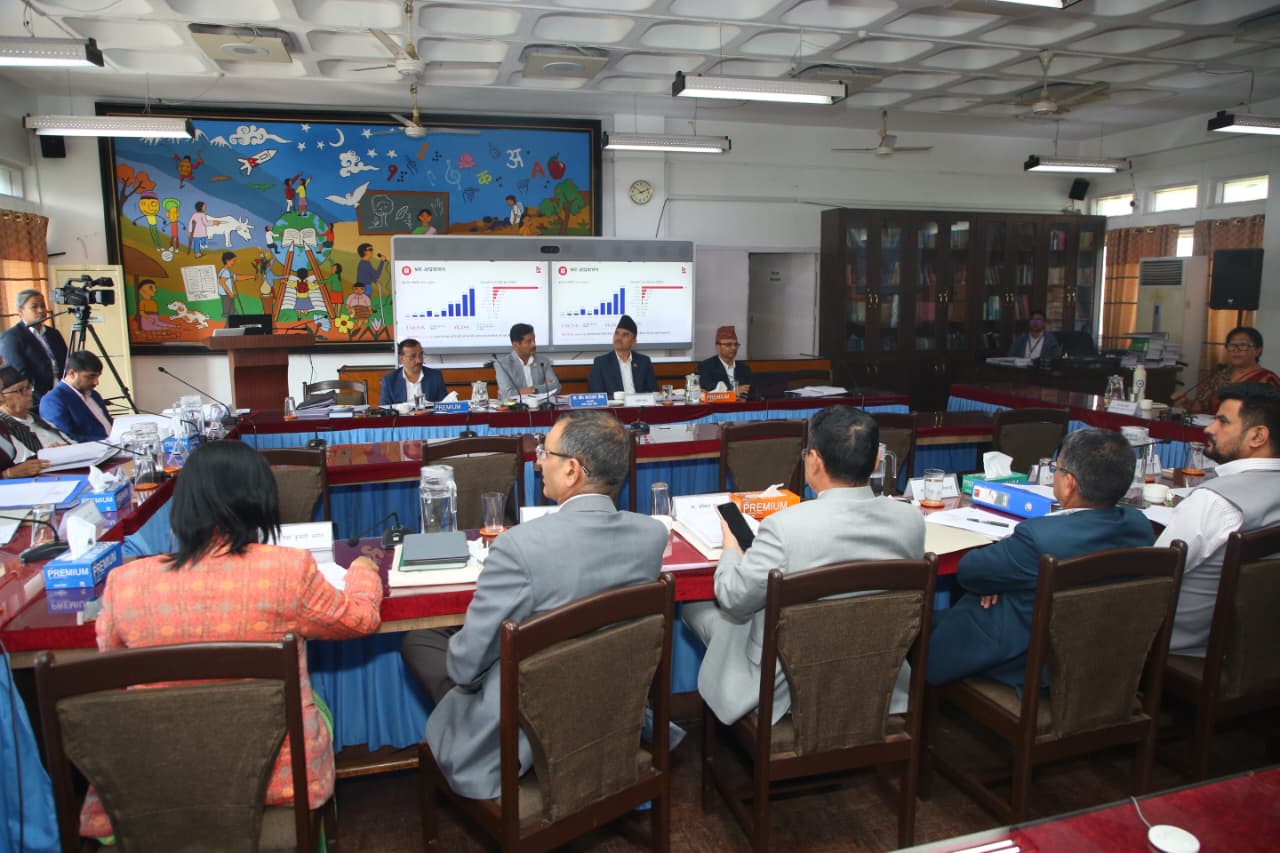
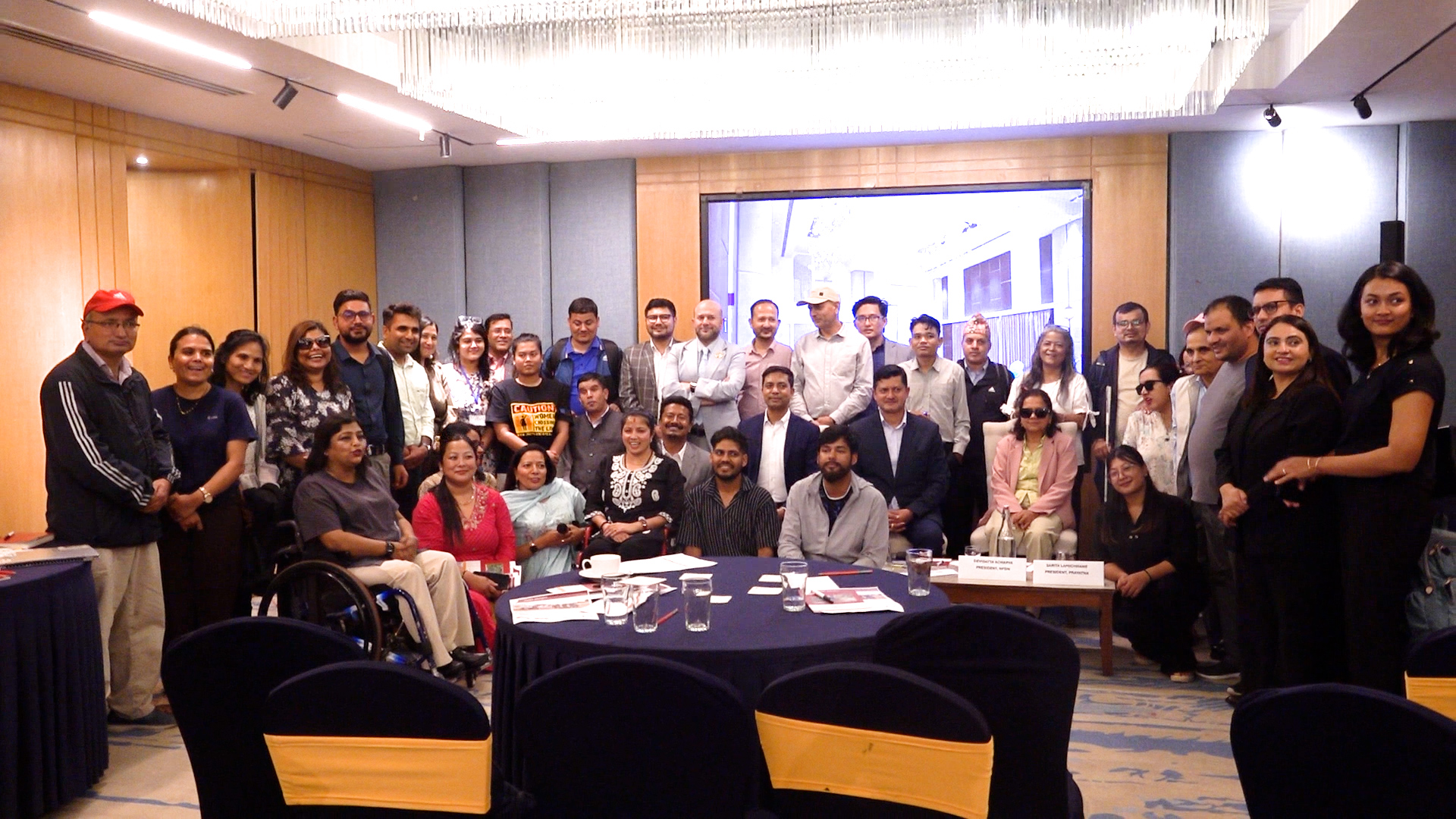
CBM Global, in collaboration with Supros, Disabled Women’s Association and other partner organizations, released a report titled ‘Financial Inclusion of Persons with Disabilities in Nepal’.
The study analyzes the current status of people with disabilities in terms of access, use of services and inclusion in banks and financial services, pointing out structural, policy and behavioral weaknesses in the financial system.
Various
recommendations have also been presented for policy reforms, institutional arrangements and implementation to make financial inclusion effective.
Sarita Lamichhane, chairperson of Prayas Nepali, said that although there are various policy provisions of the Convention on Rights of Persons with Disabilities, Rights of Persons with Disabilities Act and Nepal Rastra Bank, their implementation aspect is very weak. Stating that most of the banks and financial institutions still lack physical and digital security, she said that although some banks have provided Braille materials, accessible services and special facilities, the entire banking system has not yet become disabled-friendly.
According to Lamichhane, lack of separate data of customers with disabilities in banks, poor access to credit and financial services, lack of access to banking apps and websites, lack of sign language facilities, lack of sensitivity and training among bank staff, and lack of adequate consultation with people with disabilities are some of the major challenges.
The study suggests that banks and financial institutions should ensure accessible infrastructure, universal design based services, disability inclusive financial products, regular access testing, staff training, financial literacy programs and meaningful participation of persons with disabilities.
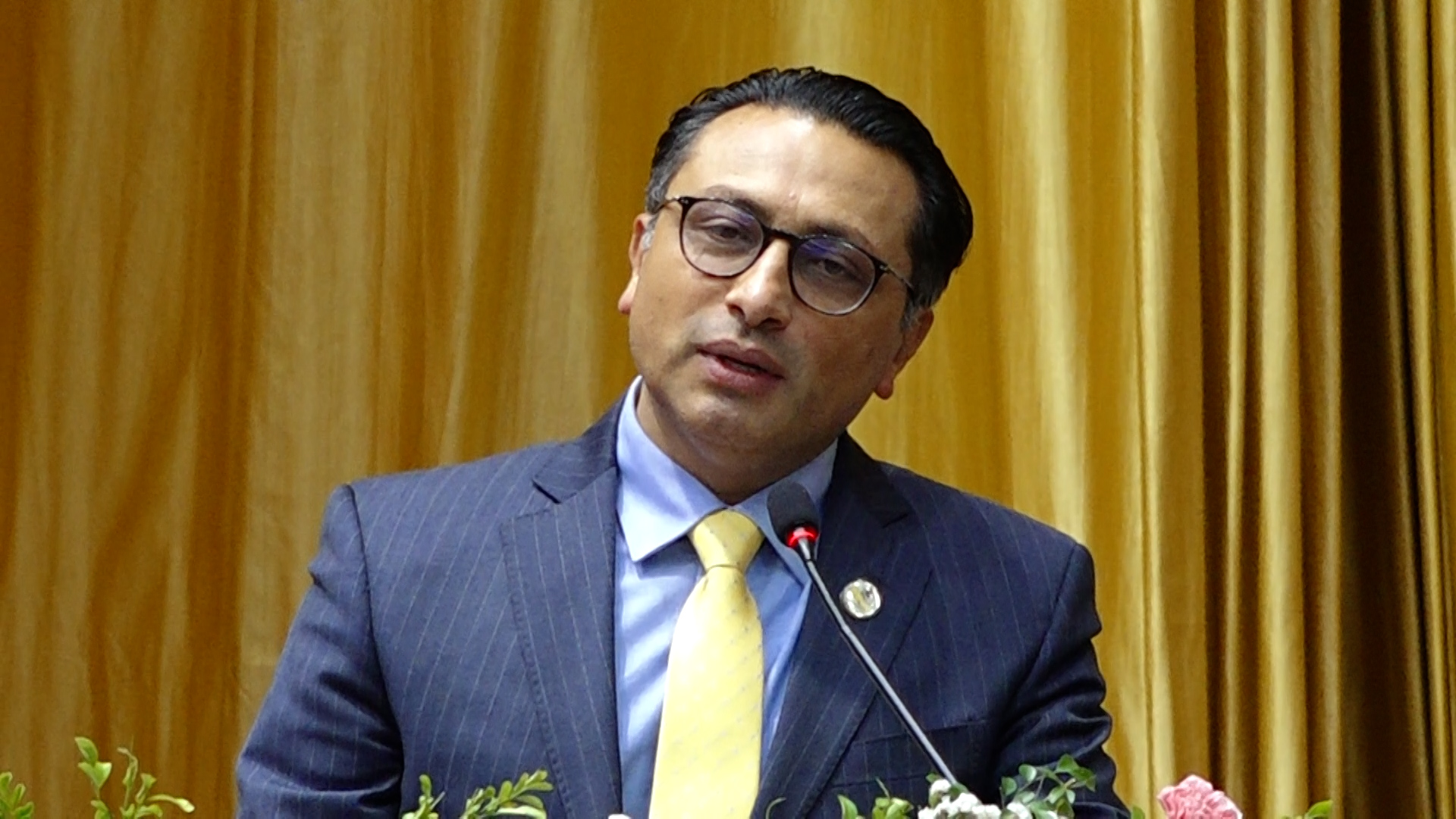
Similarly, the study has recommended that Nepal Rastra Bank should play a leading role in the effective implementation of the transparent standards related to accessible banking services, make disability inclusion policy mandatory in the banks and carry out regular study and monitoring. Nepal Rastra Bank (NRB) Spokesperson Guru Prasad Poudel said the fact-based study would help make policy-making effective. According to him, the Nepal Rastra Bank (NRB) has been pursuing various policy reforms prioritizing quality of service and inclusion along with expanding financial access.
NRB is now focused on creating an environment in which people with disabilities can access financial services in an easy and smooth manner with the expansion of bank branches at all local levels.
According to him, the Rastra Bank has been operating a grievance hearing system through the Financial Customer Protection Division and has recently issued directives to the banks and financial institutions to provide accessible banking services.
He also stressed on the need for banks to make their branches and digital services disabled-friendly in a phased manner.



 प्रतिक्रिया दिनुहोस्