

Export should be increased by increasing millet and buckwheat production and reducing imports: Prakash Singh Karki
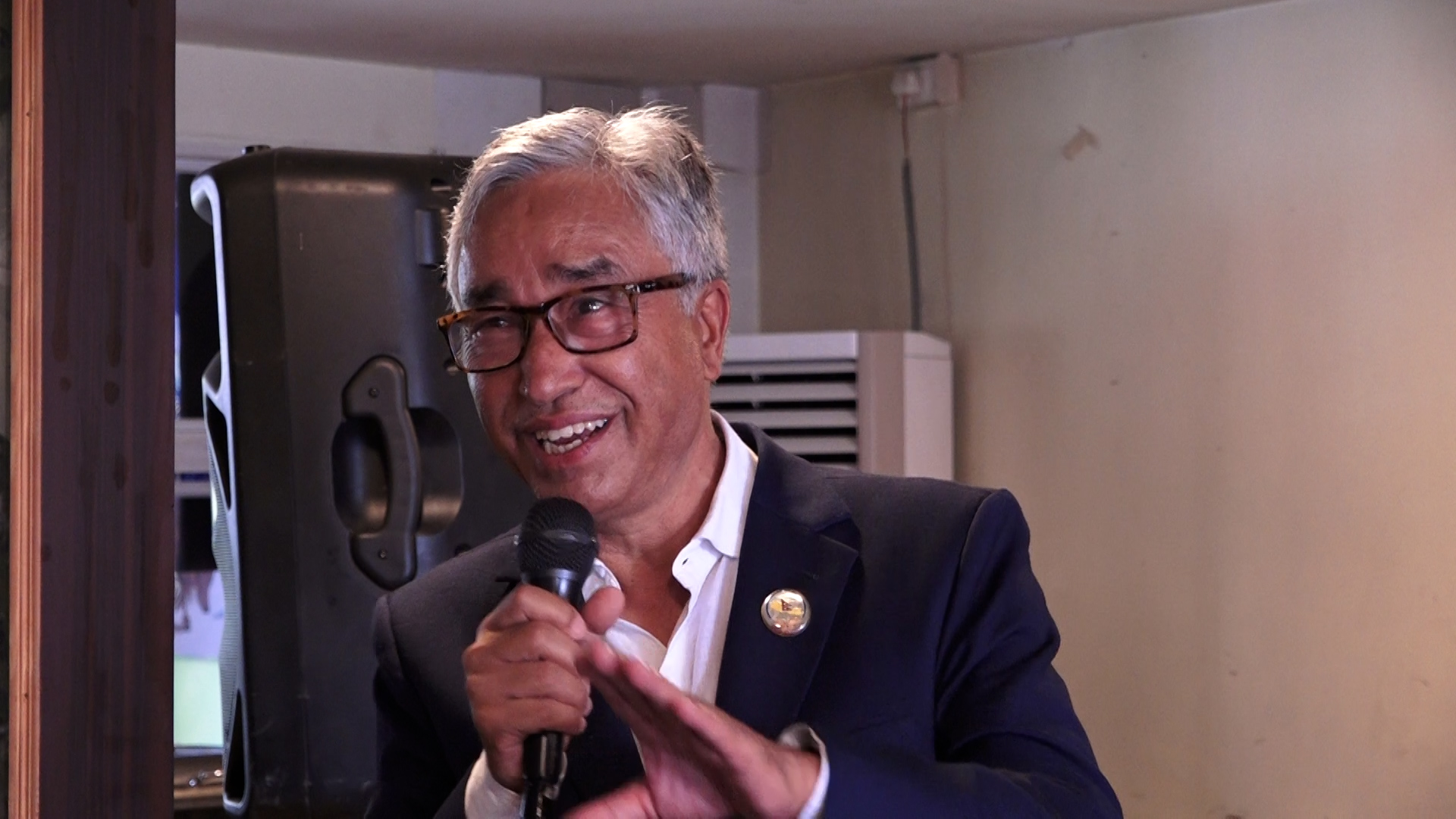
Kathmandu. Nepal Freight Forwarders Association (NEFA) President and federal parliamentarian Prakash Singh Karki underscored the need of increasing millet and buckwheat production, import substitution and export promotion.
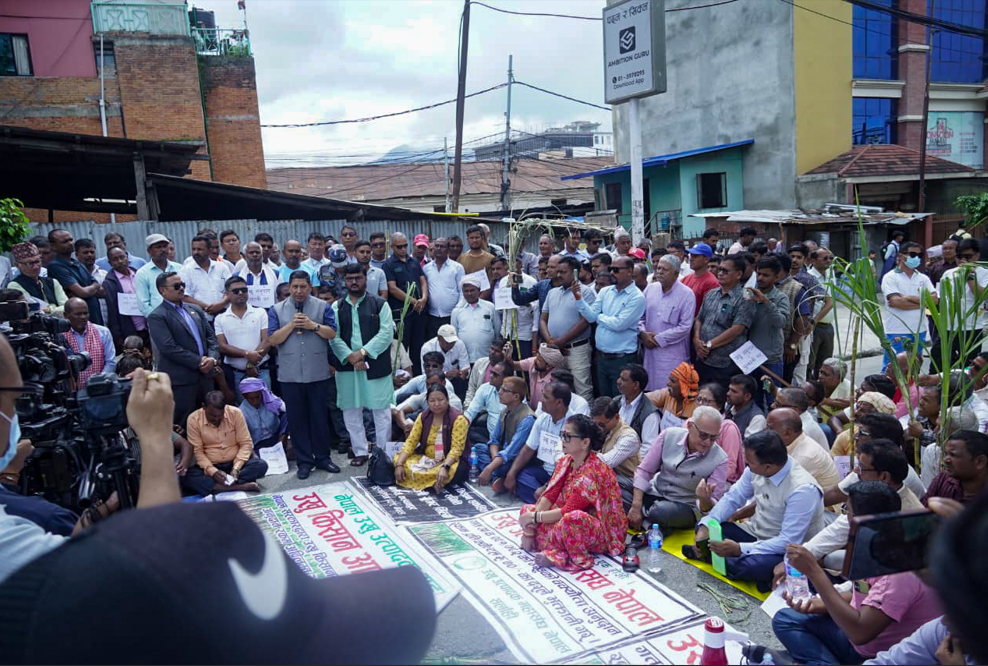
Speaking at a program organized by Nepal Millet and Buckwheat Association on the occasion of the second National Millet Day 2083 on Saturday, Minister Gyawali said that Nepal has been importing millet and buckwheat worth around Rs 850 million annually.
The government has decided to celebrate the National Millet Day on August 16 every year.
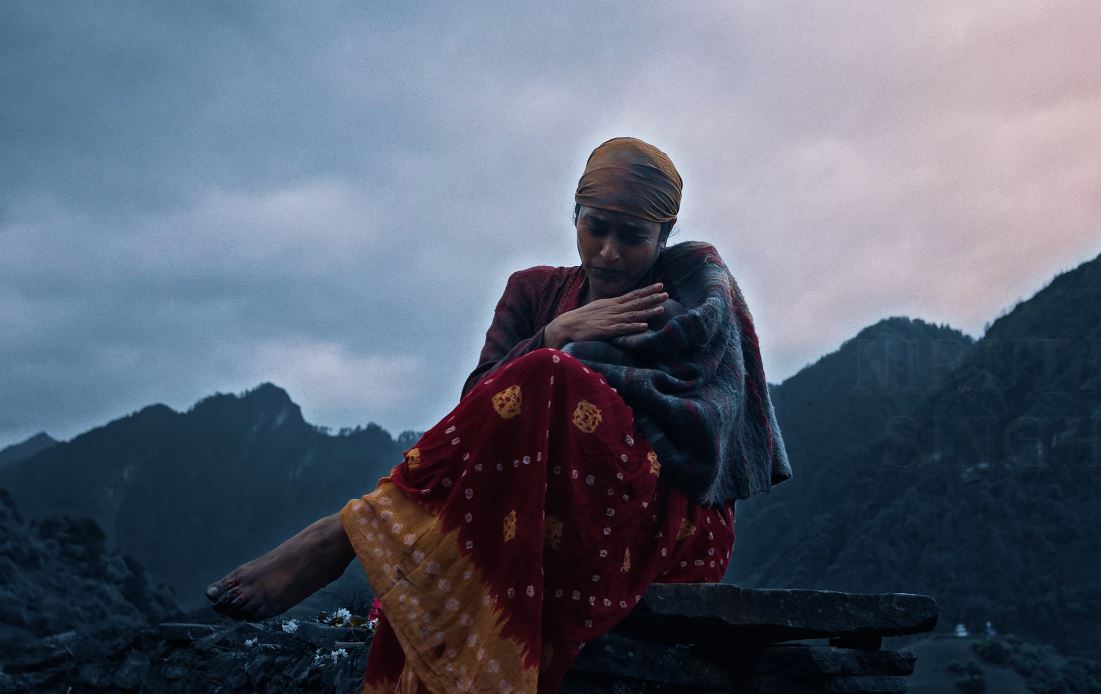
Stating that the role of women is most important in millet farming, he said that most of the hard work from planting to storing the feed in the barn is done by women.
She was of the view that women’s contribution in the production process should be respected.
Karki said that in the past, millet and roti were seen as rural food, but now with the increasing awareness about health, its demand has increased significantly in every household and restaurant in the city.
He recalled that in the past, people used to eat dindo only by visiting Nagarkot or village, but now most of the families have started eating millet dishes regularly.
He expressed the belief that Nepali millet and buckwheat could compete in the international market if proper packaging, branding and market management were made.”We are currently importing millet and buckwheat worth more than Rs 85
0 million. If we can increase this production in Nepal, we can stop the outflow of foreign currency. It is in demand all over the world. Even in Japan, various dishes made from millet and buckwheat are popular. Therefore, we need to increase production and export through branding and packaging,” he said.
He said that he has been involved in the export-related business for a long time and he is aware of the demand and potential of the international market.
He said millet and buckwheat products could be exported to the world market if the production could be increased in Nepal.
Karki pointed out the need for the government, private sector and related organizations to jointly prepare a detailed project report and study where the production can be increased, where the market is available and to which country it can be exported. He urged the government to carry out such study in collaboration with the Federation of Nepalese Chambers of Commerce and Industry (FNCCI) and the Agri Enterprises Centre and also to provide suggestions from the private sector for the formulation of necessary policy.
‘I am currently in the Parliamentary Committee on Industry, Commerce, Supply and Labour. If you give necessary suggestions, I will continue to raise my voice for policy making in the parliament and committees. I am ready to play the role of a bridge for resolving the problems of the private sector and promoting agriculture,” he said.
Karki said that it was unfortunate that a country like Nepal with agricultural potential had to import food grains worth billions of rupees.
According to him, Nepal has to depend on imports for not paying attention to production despite having sufficient fertile land.
Stating that the use of chemical fertilizers is very low in his home district Solukhumbu, he said that most of the farming is still done organically.
He said that Nepal should take organic products as an opportunity at a time when the demand for organic products is increasing worldwide.
On the occasion, Minister Karki stressed the need of taking the protection and promotion of millet, buckwheat and other indigenous crops as a national campaign and expressed commitment that he would continue to raise voice in the parliament for the formulation of necessary policies for production, processing, branding and market expansion.
He did.



 प्रतिक्रिया दिनुहोस्