

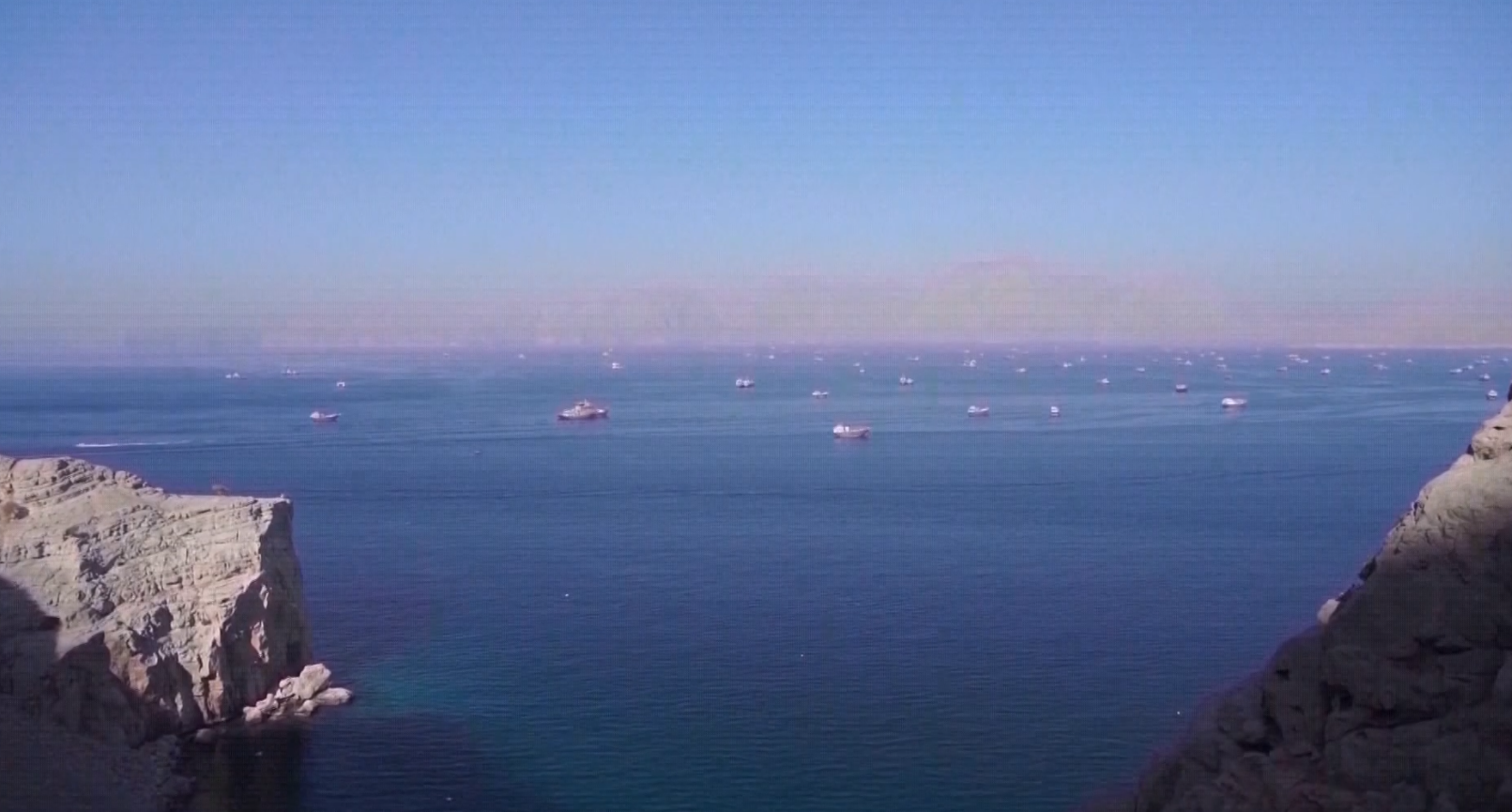
The Gulf countries are looking for ways to reduce the risk of oil supply through Hormuz
. The Gulf countries, including Iran, are going to discuss how to make the transportation of oil and other goods through the Strait of Hormuz, one of the world’s major energy supply routes, safe.
The foreign ministers of Iran, Iraq and the Gulf region will meet in Oman on Monday. Iran’s Foreign Ministry spokesman Ismail Baghai said on Friday that the meeting will discuss regional issues as well as possible measures for safe transportation through the Strait of Hormuz.
According to him, the meeting will also take forward the previous discussions between Iran and Oman on the issue of designating a safe waterway in Hormuz. Efforts to facilitate navigation in Hormuz are expected to reduce the supply risks seen in the global energy market.
Since Hormuz is an important waterway for the supply of oil and petroleum products from the Gulf region to the world, any disruption could have a direct impact on oil prices, shipping costs, and supply chains in the international market. In a joint statement issued at the end of August, Iran and Oman said they had exchanged views on a phased structure to establish a temporary joint waterway in the Strait of Hormuz. The implementation of the proposed waterway is expected to facilitate the safe movement of ships even amid tensions. Iran’
s Foreign Ministry spokesman Baghaei said the meeting was important to build trust and cooperation among the regional countries. He said that regional security and cooperation should be pursued without the “divisive interference” of external powers.
However, the issue of the security of Hormuz is still linked to the tension between the US and Iran. Baghai said that as long as the “aggression and illegal interference” against Iran continues by the United States, the security of transportation in Hormuz cannot be fully ensured.
On February 28, Tehran imposed restrictions on the movement of ships through the Strait of Hormuz after the US and Israel imposed military action against Iran.
Iran has accused the US military of imposing a naval blockade targeting ships arriving in and out of Iranian ports.
Concern in the oil market
When tensions rise in the Strait of Hormuz, it can have a direct impact on the world oil market. If the supply of crude oil and petroleum products from the Gulf region is disrupted, there is a risk that the supply will decrease and the pressure will be on the price of oil.
When the price of oil increases, its impact is not limited to petroleum products. Due to the increase in the cost of transportation, the value chain of food, industrial raw materials and consumables may be affected. In countries with import-dependent economies, it can also increase the pressure of inflation and foreign exchange spending. Therefore, the initiative of Iran and the Gulf countries to maintain a safe water route in Hormuz is seen not only in terms of regional security but also with global energy supply and international trade. The energy market is also keenly watching the mechanism for regular and safe water transport in Hormuz at the meeting in Oman on Monday. CCTV Plus

 प्रतिक्रिया दिनुहोस्