

Tourist activity starts in Kanchenjunga area, attraction of domestic tourists along with foreigners
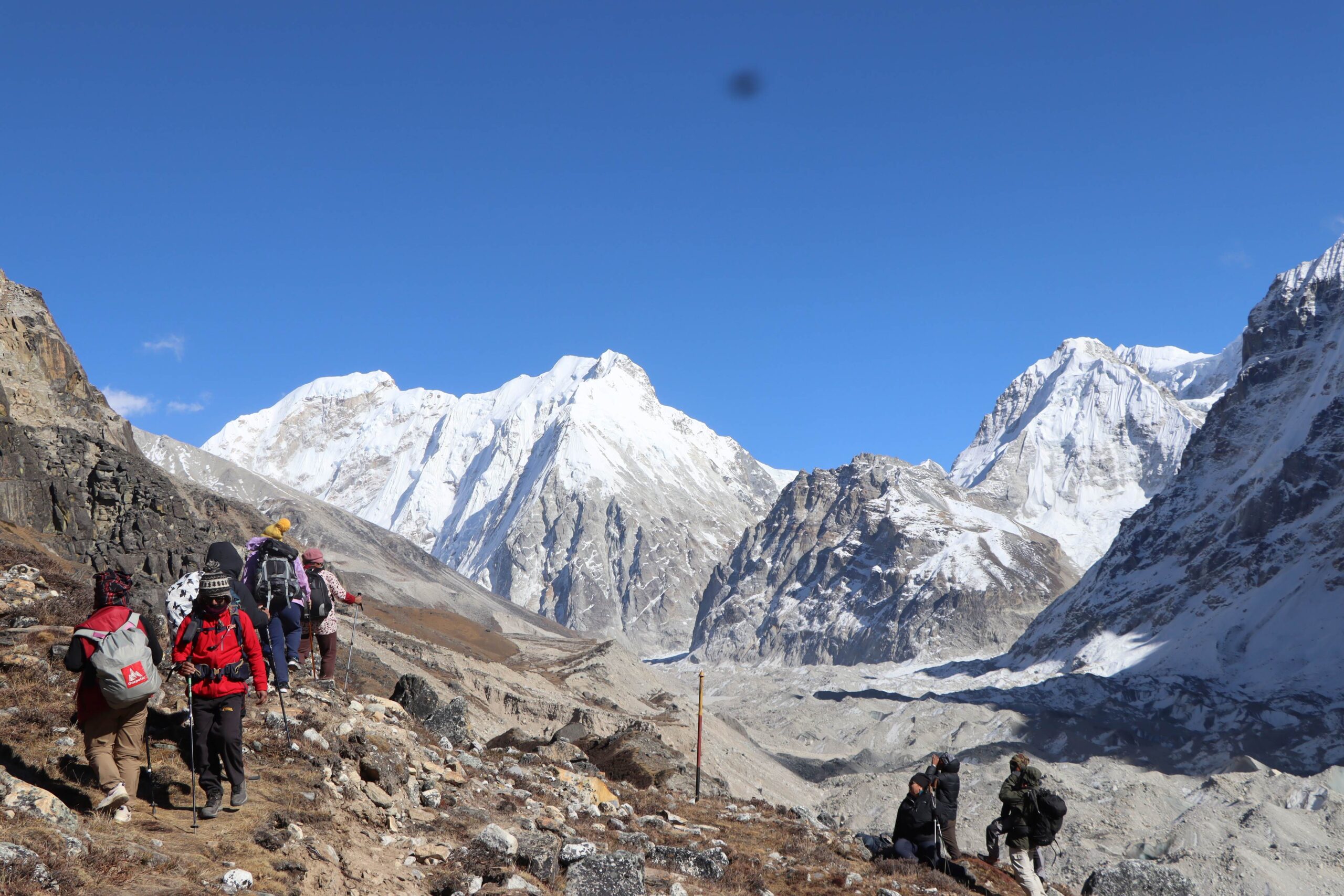
Taplejung. The third highest mountain in the world, the movement of tourists has started in the Kanchenjunga area at this time. Domestic and foreign tourists have started coming to this area from the third week of August.
According to the Khunsa Tourism Check Post of the Kanchenjunga Conservation Area Management Council, 170 foreign tourists have already left for the base camp of Mt Kanchenjunga.
Some tourists have already reached the base camp while some are taking rest in the Ghunsa area for optimization.
The number of foreign tourists choosing Kanchenjunga especially for adventure travel, trekking and mountain climbing is increasing every year. Tourism Assistant Tashitenjing Sherpa said that tourists have come mainly from France, Australia, Germany and the United States of America during this season. Local businessmen are excited after the number of tourists increased significantly this year compared to last year. There are two main tourist seasons in the Kanchenjunga region throughout the year.
The first season runs in the spring season in March, April and May, while the second season runs from August to November under the autumn season. The trekking route is blocked due to excessive rainfall in June and July, and snowfall in January, January, and February, making the journey risky.
In recent years, Kanchenjunga has become the choice of external as well as domestic tourists. Especially during the Dashain and Tihar holidays, Nepali tourists visit the base camp with family and friends. According to hotelier Serap Sherpa, hotels and lodges in the Kanchenjunga area are full of domestic tourists during the festival. However, the official data of domestic tourists is not registered at the check post.
The increase in tourist arrivals has had a positive impact on the local economy. The income of trekking guides, porters, hotel and lodge traders, transport businessmen and local handicraft traders has increased. According to businessmen, the income of the hotel business is expected to increase by more than 30 percent this season. Entrepreneur Phupuchohang Sherpa said that the demand for guides, porters and camping materials is high as foreign tourists stay for a long time. There are two base camps, north and south, for visiting and observing Kanchenjunga, which is located at an altitude of 8,586 meters above sea level.
Northern Base Camp (Pangpe – 5,143 m) :
From the headquarters Fungling, one can reach Japantar by vehicle. After that, after about three days of walking, one can reach the famous Ghunsa village. After another two-three days of travel from Ghunsa, the northern base camp reaches Pangpe. There is a good arrangement of hotels, lodges and homestays with basic amenities on this route.
Southern Base Camp (Oktang/Yalung – about 4,730 meters):
From Fungling Bazaar, you reach Yampudin after about a seven-hour drive from Phungling Bazaar. From there, after a three-day trek, you reach Oktang, the southern base camp. This route also provides facilities for local settlements, homestays and guides.
The challenge and possibility of climbing
Kanchenjunga is technically considered to be the most difficult and challenging mountain above eight thousand meters. Due to the changing weather, high altitude (thin oxygen) and the risk of avalanches, a high level of physical preparation, training and the support of experienced Sherpas are essential for climbing.
The Kanchenjunga Conservation Area Management Council and the local administration have emphasized on the development of new trekking routes, reliable communication (internet) facilities, primary health centers and eco-friendly toilets for the expansion of tourism infrastructure in the area. Local businessmen believe that Kanchenjunga will be established as an excellent adventure destination of international standard if more information boards and reliable arrangements for emergency rescue are made on the trekking route.



 प्रतिक्रिया दिनुहोस्