

Public and private sector investment should be complementary to competitors: Vice President Bhatta
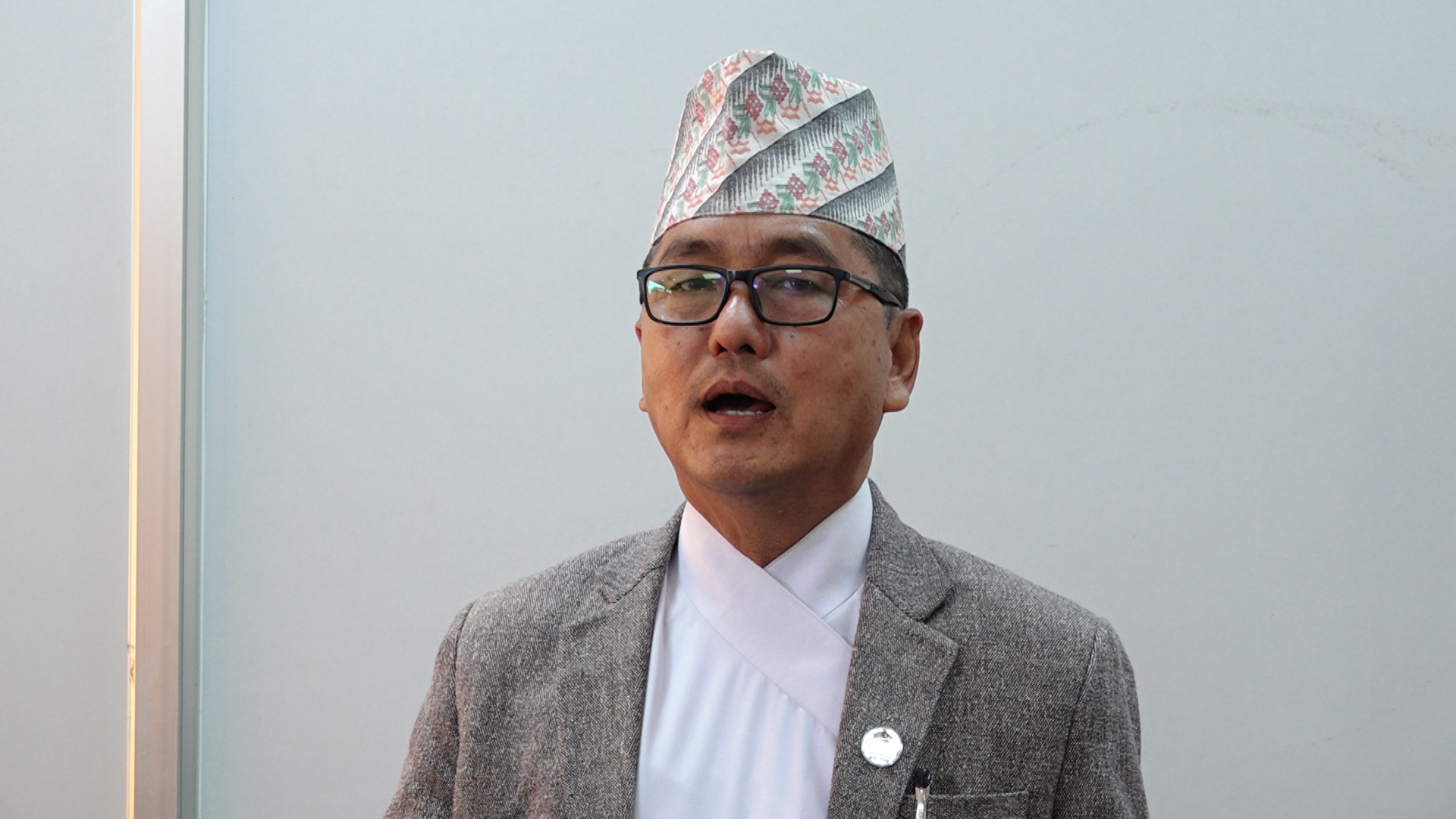
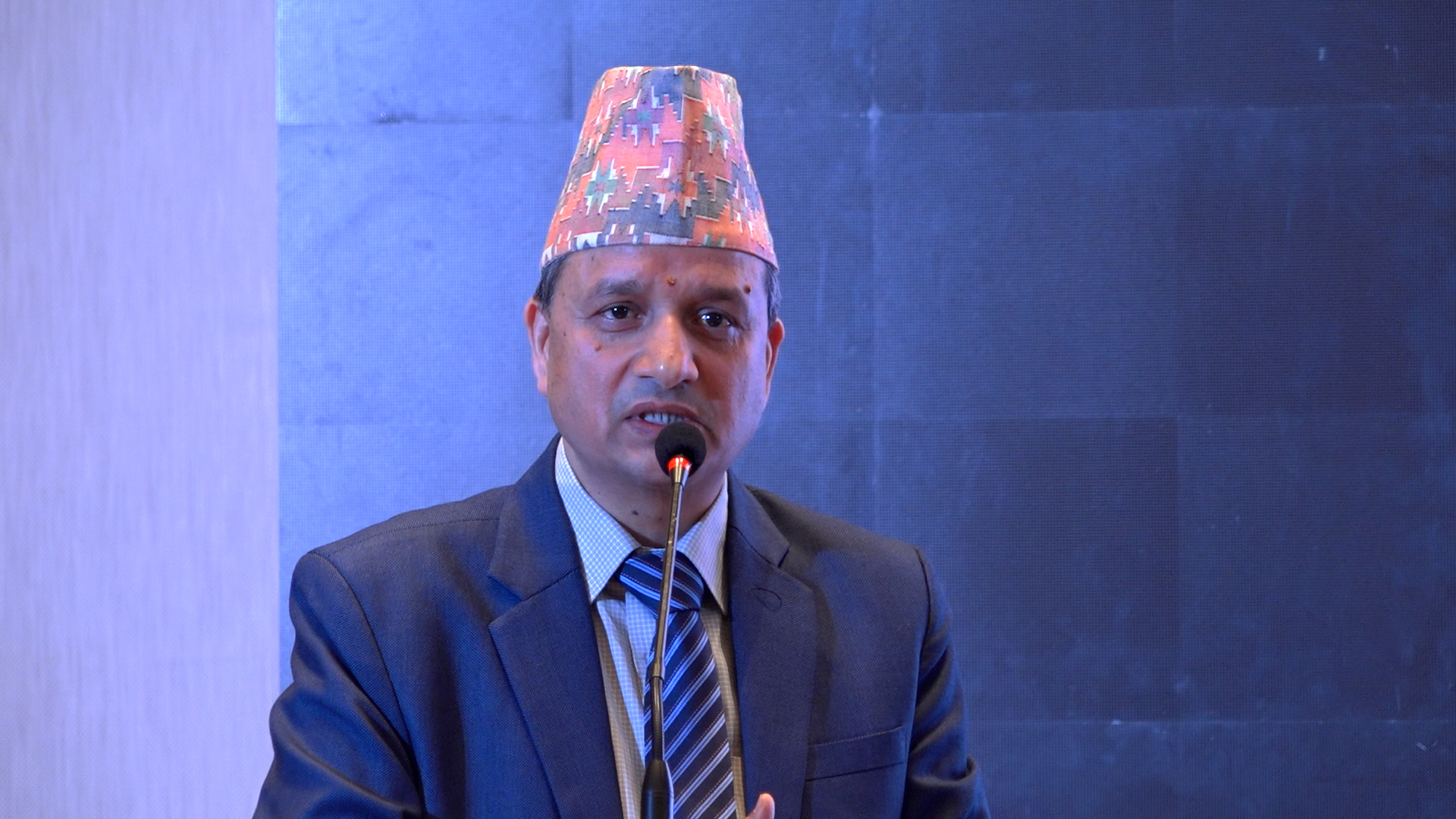
Kathmandu. Vice-Chairman of the National Planning Commission Dr. Gunakar Bhatta has said that the investment of public and private sector should be complementary rather than competitive for the development of the country.
Addressing a programme entitled ‘From Plan to Prosperity: Strengthening Public Investment Management in Federal Nepal’ organized in the capital on Tuesday, he said private sector investment should be focused on identifying areas with development potentials. Stating that economic activities have expanded in the areas identified as development regions in the past, he stressed the need of promoting private sector investment and government investment as complementary to each other. Giving the example of Dhangadhi Airport, he said that the airport could be upgraded with the support of the private sector and the operation of aircraft even at night.
He said, “The private sector has a very big role in upgrading the Dhangadhi airport. The private sector raised donations and upgraded the Dhangadhi airport. The government provided some support and the private sector has a big role in making the aircraft run that night. Therefore, I have seen that the investment of the private sector and the investment of the government should be done in a complementary manner rather than competitively. “
Bhatta said that Nepal’s development was concentrated only in certain regions and places and pointed out the need for decentralization of it. He said that the construction of many hydropower projects in a single river could cause huge losses during natural disasters.
Giving the example of the damage caused to hydropower projects due to the floods in the Bhotekoshi river, he said that environmental risk and possibility of disaster should be taken into consideration while constructing development projects.
He said, “The recent Bhotekoshi floods have caused the most damage to hydropower. When there are 13-14 hydropower plants in the same river, the damage is amazing when there is a disaster. “
Public investment should be given priority along with economic and social returns,” he said. He said that the government should intervene in case of market failures and stressed that the distribution and utilization of public investment should be effective.
He said, “We have to ensure efficiency in resource allocation, ensure distribution efficiency and how we can make it productive.” Bhatta said that the investment should reach the target group and the community, citing international examples of misuse of public investment and projects that are not yielding. Citing the example of building bridges for a limited number of citizens in the United States and constructing a road in Montenegro without a result, he said that the investment made in the name of development should be justified.
He said geopolitical uncertainty, climate change and rapid development of artificial intelligence are the three major challenges for public and private sector investment in the coming days. Saying the cost of development projects and the annual plan could be affected due to the unexpected increase in the price of petroleum products
, he said energy and food security should also be included in the investment plan.
He said, “We cannot stop the unstoppable emergence of Artificial Intelligence and how to make the most out of it? And I have seen that the government and the private sector should make a collective effort to reap this benefit.” He said that reducing the economic disparity between the provinces within Nepal is another important challenge. He said that the per capita GDP of Bagmati Province is around $ 2,600 and the per capita GDP of the three backward provinces is around $ 1,000 to $ 1,100. Stressing on the need for the private sector to expand investment in the backward areas to reduce the regional economic disparities, he insisted on collaboration between the government and private sector to explore the potential of such sectors.
He said, “Sometimes the private sector starts showing interest there, if the private sector starts increasing its activities, then the government is also compelled to increase its services and the government also increases its investment there.” Meanwhile, he said that the National Planning Commission is moving ahead with the exercise of building the ‘Nepal Development Vision’ with the goal of taking Nepal to a position in the next 25 years. He said that important participation and coordination of the private sector and experts is necessary in this process.
He said, “We are working to make a practice of the Nepal Development Vision to take Nepal in 25 years. And I believe that the private sector and other intellectuals will have an important participation and coordinating role in this too.” ’



 प्रतिक्रिया दिनुहोस्