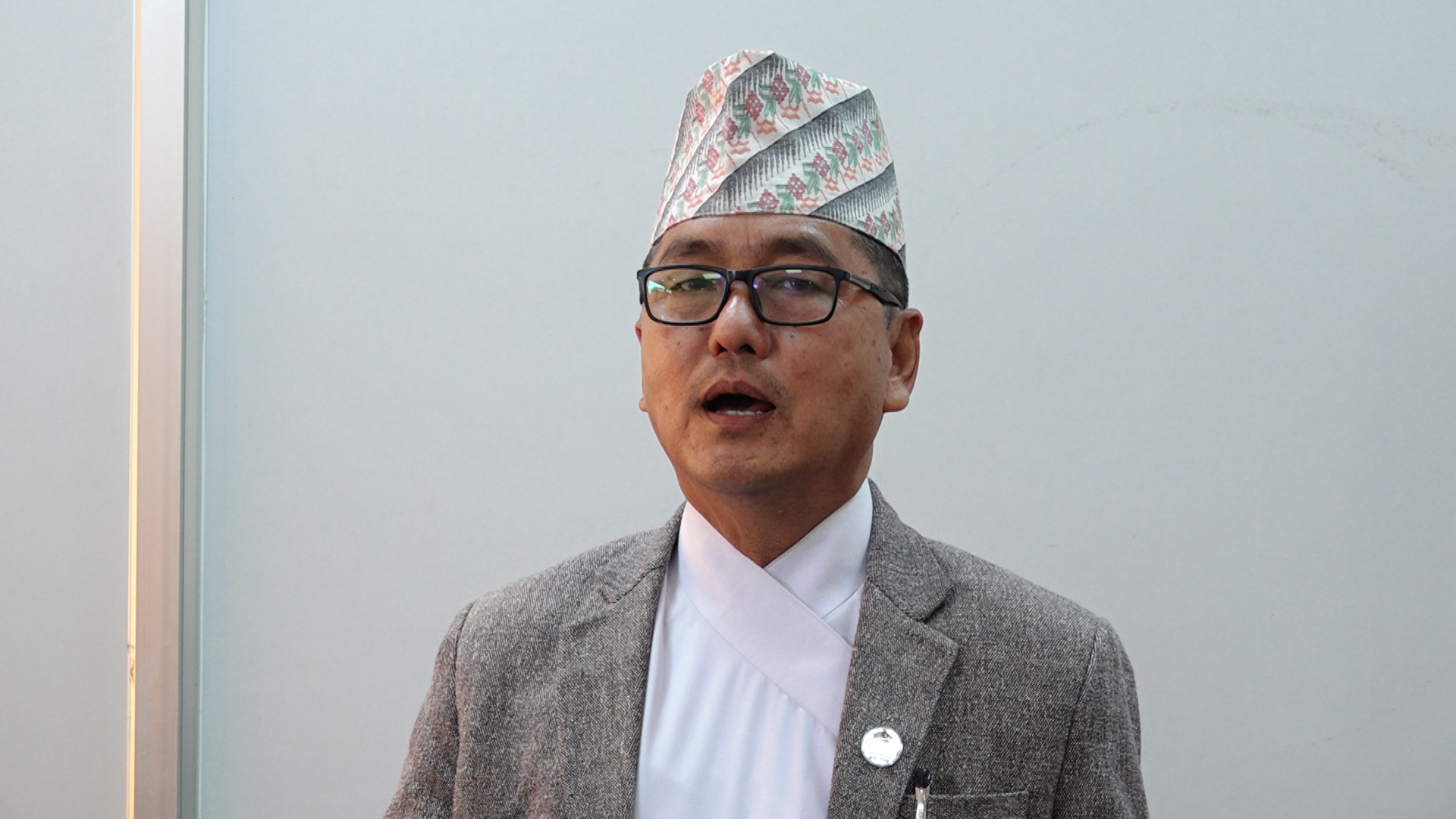


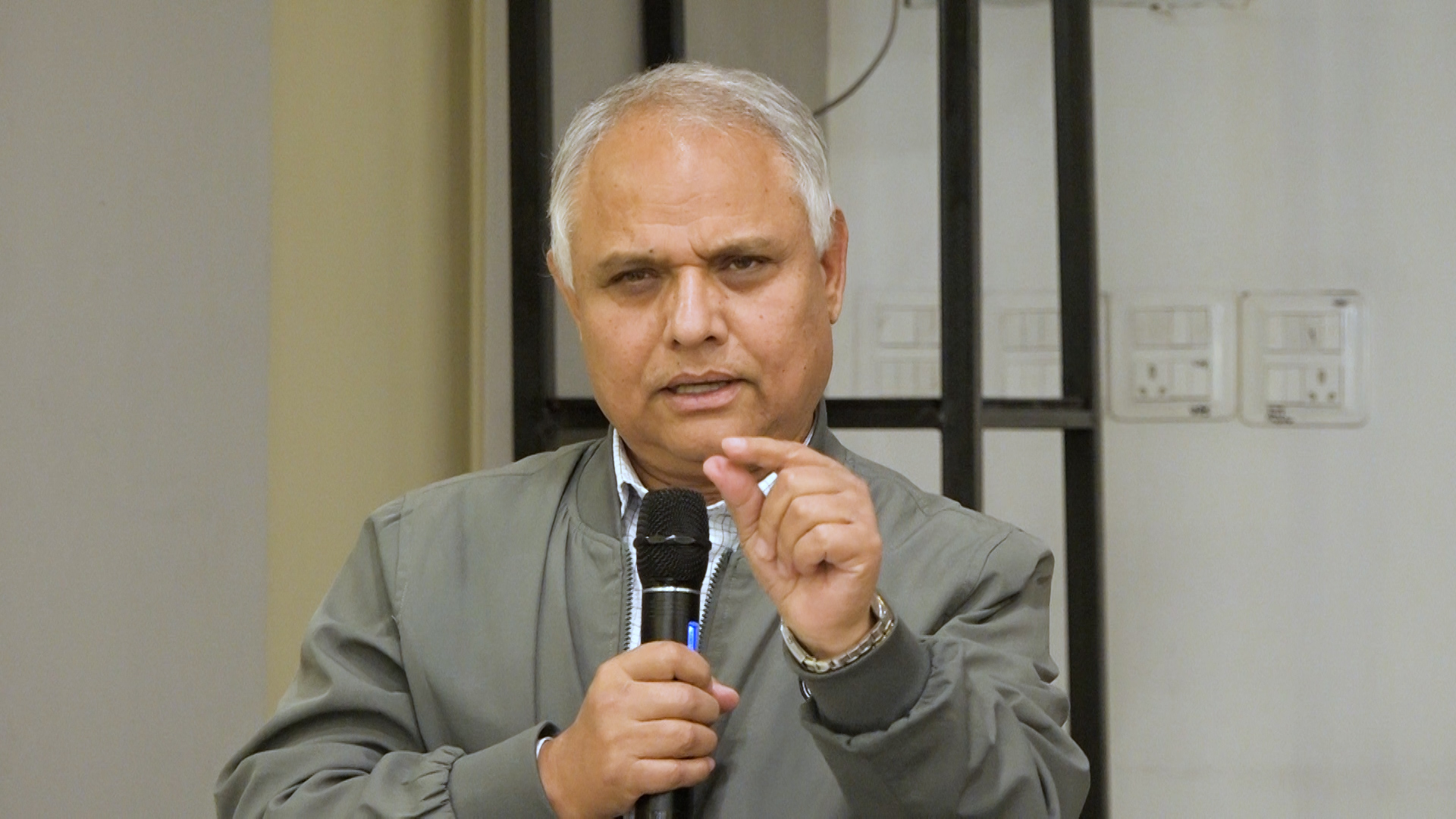
Kathmandu. Former Chairman of Press Council Nepal, Rajendra Dahal, has stressed on the need of creating an environment where the journalism sector can be self-regulated rather than formulating control-oriented laws in the name of systematizing journalism.
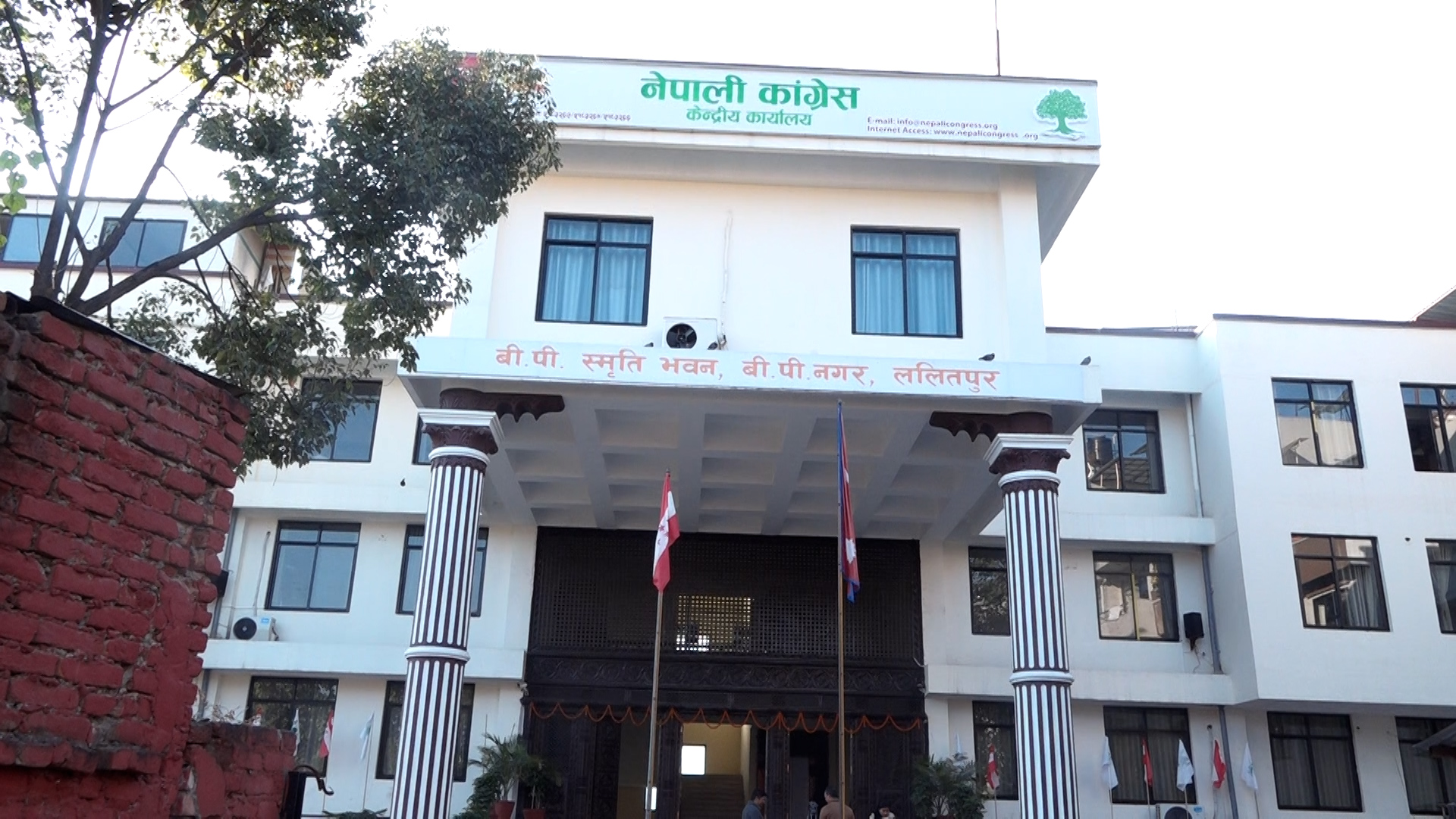
Speaking at an interaction on ‘Media Council Bill: Mass Communication Law and Protection of Press Freedom’ organized by the Federation of Nepali Journalists (FNJ) central committee in Lalitpur on Thursday, he said the Press Council should be made effective so as to enforce the code of conduct, regularly monitor and listen to the cases of violations. He said that the Press Council and the Federation of Nepali Journalists should jointly implement the code of conduct, monitor and make the practice of hearing effective to systematize the journalism sector. He said that the Council should be given the necessary legal authority and institutional capacity for this.
Discussing the past role of the Press Council, Dahal recalled that the recommendation of the Council was also important in the process of testing the qualifications of journalists and providing identity cards. He said that there was a provision that the Department of Information would provide the journalist identity card on the basis of the recommendation of the Council.
He said that although efforts have been made for a long time to amend the law related to the Press Council, the expected progress has not been made. Recalling that the process of amending the Act had been initiated since the tenure of the then Chairman Harisharan Regmi, he said that although the draft of the bill was prepared time and again, it could not take the final shape. He said that questions have also been raised about the structure and representation of the Press Council in the bill that is currently under discussion.
He expressed his concern that it would be difficult to conduct independent hearing and monitoring as the government has more influence in the Council and the representation of the journalism sector is weak.
He also expressed concern over the tendency of pressuring journalists to disclose sources of information, calling them through the police or raising questions on the basis of statements posted on social media. Stating that protection of information sources and freedom of expression are fundamental issues of journalism, he said that understanding and sensitivity about press freedom is necessary even in state bodies.
“Press freedom and freedom of expression cannot be protected by journalists alone,” he said, adding that the state bodies should also have that level of understanding and sensitivity. “
To substantiate his statement, Dahal also narrated an old incident that took place in Dhankuta during King Birendra’s visit to the eastern region. According to him, the king had directed to resolve the problem within seven days after the issue of the loss suffered by the locals due to the irrigation project being constructed for a long time in a village. He said that later the locals themselves used to repair and manage the irrigation canal.
Referring to the context, he said that the journalism sector has the capacity to identify the problems of the society, present options for solutions and keep information about international practices and standards. Therefore, he was of the view that the autonomy and creative role of the journalism sector should be respected instead of the state imposing laws unnecessarily.
“We have not talked about many laws, we can make our own arrangements,” he said, “The press cannot be managed only by making controlling laws. It is also difficult to implement such laws.” He stressed the need to effectively implement the code of conduct framed by the Press Council and the Federation of Nepali Journalists and said that the state should not interfere in a way that weakens the self-regulation of the journalism sector. He urged the journalism sector to continuously raise its voice to make lawmakers and state institutions aware of the importance of press freedom.
Former Chairman of National Information Commission Suresh Raj Acharya, former President of Federation of Nepali Journalists Dr. Mahendra Bista, Shiva Gaunle, Chairman of Press Center Kamal Giri, Chairman of Press Chautari Ganesh Pandey and others also expressed their views on the occasion.

 प्रतिक्रिया दिनुहोस्