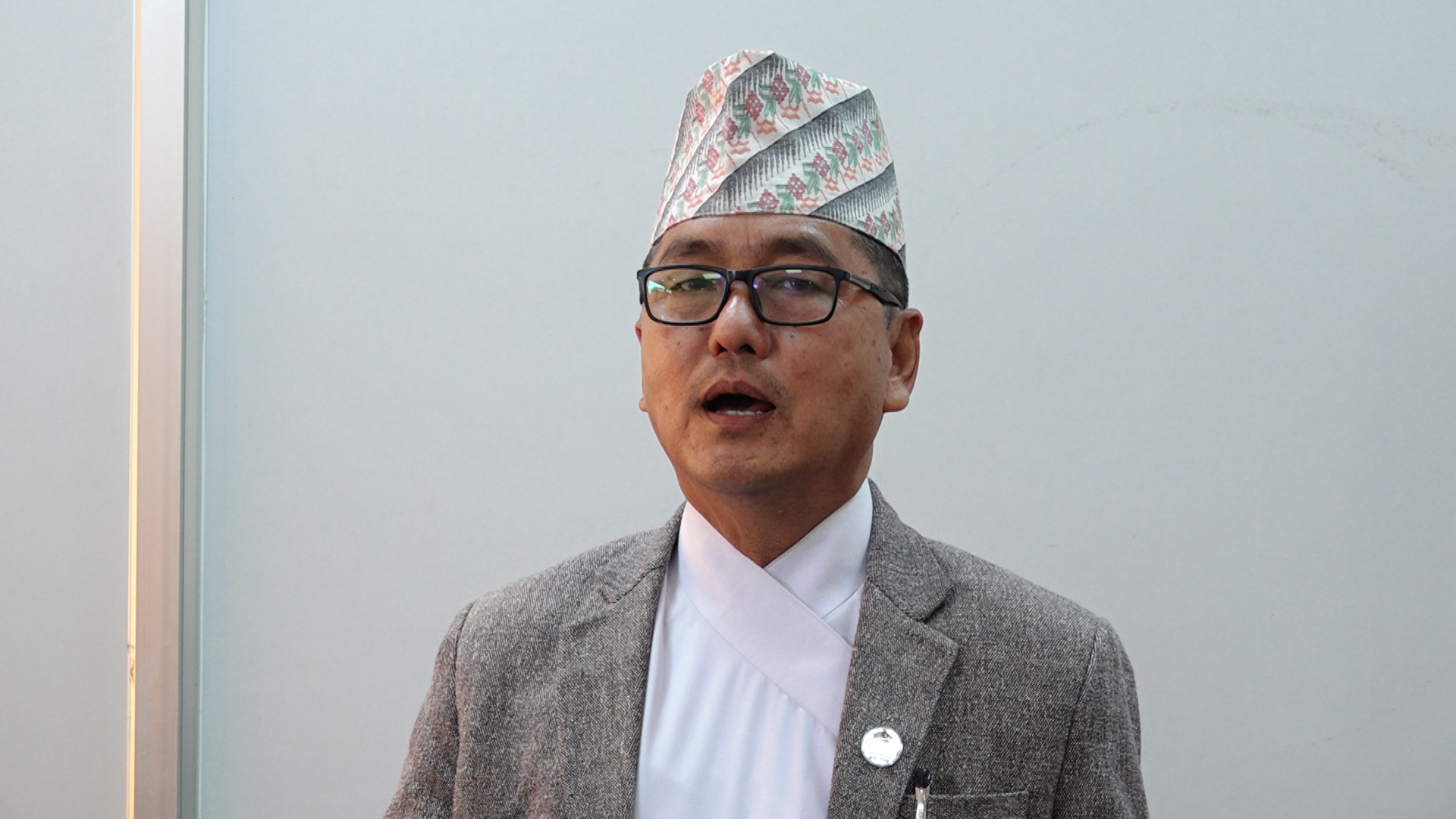


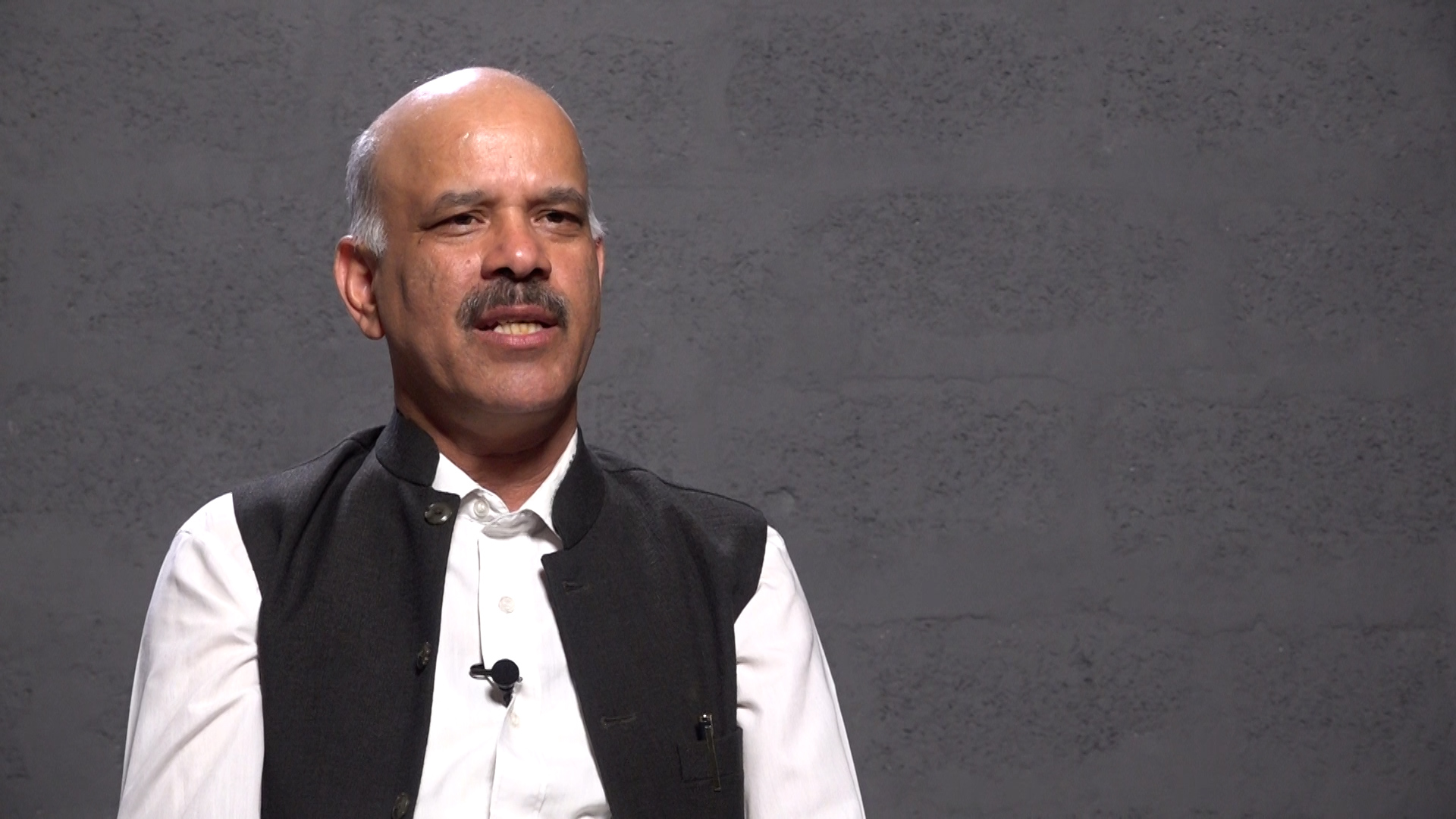
Kathmandu. Senior journalist Taranath Dahal has said that the government is distracted in the legal and policy reforms required to make the media sector systematic, safe and disciplined. He said that the government’s priority on the reform of the media sector is not clear as the process of drafting the Mass Communication Act which has been discussed for a long time has not yet reached a conclusion.
Talking to Nepal News Bank, Dahal said that although the issue of Media Council reform has been raised for the last 10 years, it has not been completed. He said that although preparations are being made to bring the law in a new way, there is a problem in it. He said that the Ministry has not been able to expedite the formulation of laws despite adequate homework and consensus on regulating the media sector, systematizing journalism and ensuring professional security of journalists.
He said, “It was decided to reform the Media Council for 10 years. But again it could not happen for one year. Now it has been brought in the form of a law in a new way, which again seems to be problematic. I see that the ministry is confused in the formulation of laws to regulate the media sector, organize the journalism sector and further protect it.” Dahal said that the pace of legal reforms in the field of information technology along with the media sector is very slow. He said that although there is a rapid change in technology, laws and institutional structures have not been created to address it.
He said that Nepal does not yet have a comprehensive law related to information technology, a law related to digital data protection and a legal provision to regulate artificial intelligence (AI). He said that the government is not clear on how to regulate social media when they are being established as mainstream media.
He said, “There has been such a big leap forward in technology. We don’t have laws, we don’t have the institutional capacity to regulate artificial intelligence. Social media has now become a mainstream medium. Now there is still ambiguity about how to address the issue of their regulation, what kind of institutional and legal framework should be set up for it. He said that after the incident of September 7, the work of policy reform should be expedited to take the country into a new era, but there is no clarity in the government and the ruling party. He said that the reform of the media sector should also be included in the same priority.
According to Dahal, discussions have been going on in Nepal for more than a decade to formulate a new Mass Communication Act by integrating various old laws related to the media sector. The concept of merging the National Broadcasting Act, the law related to printing and publishing and the law related to working journalists under a single Mass Communication Act was put forward without keeping them separate.
He said that there is a need for an integrated legal system by amending the National Broadcasting Act 2049, the Printing and Publishing Act and the law related to working journalists according to the time. He said that although the development of community and FM radio in Nepal is significant, there is no legal and institutional provision to sustain it.
He said, “All the old laws in the media sector should not be kept separate. It has been 12-13 years since there was a discussion on the concept of merging all of them and developing them as a new Mass Communication Act, but till now the government has not been able to take it forward properly.” According to him, after the government formed a commission for policy reforms in 2070 BS, various phases of study and discussion on the legal reforms in the media sector have been carried out. Since then, four to five drafts have also been prepared. He said that there is no need to remain confused as there has been enough discussion on which laws should be integrated and what the new institutional structure should be.
Stating that other countries were formulating new laws for the management and regulation of mass media, Dahal said that legal provisions could be formulated by learning from the practices that would be useful in the context of Nepal.
He also said that the journalism sector is now in a serious crisis due to the drastic changes in technology. He is of the view that laws should be formulated with new thinking and perspective as the old legal norms and structures cannot address the current media environment.
He said, “The journalism world itself is in crisis. The drastic changes in technology have added unforeseen challenges. There is a need to reshape journalism by managing these things. There is a need to change some old values. The current technology has created a new context and we have to think in the philosophy and principles of law. Dahal said that although the draft of the Mass Communication Act has been discussed at various stages, the bill has not yet reached the parliament. Stating that it is important to decide in what form the government proposes the bill now, he pointed out the need for re-discussion among the stakeholders on the shortcomings and improvements seen in it.
According to him, the main need of the hour is to build timely legal and institutional structure that incorporates regulation of media sector, safety of journalists, protection of digital data, management of social media and regulation of artificial intelligence.

 प्रतिक्रिया दिनुहोस्