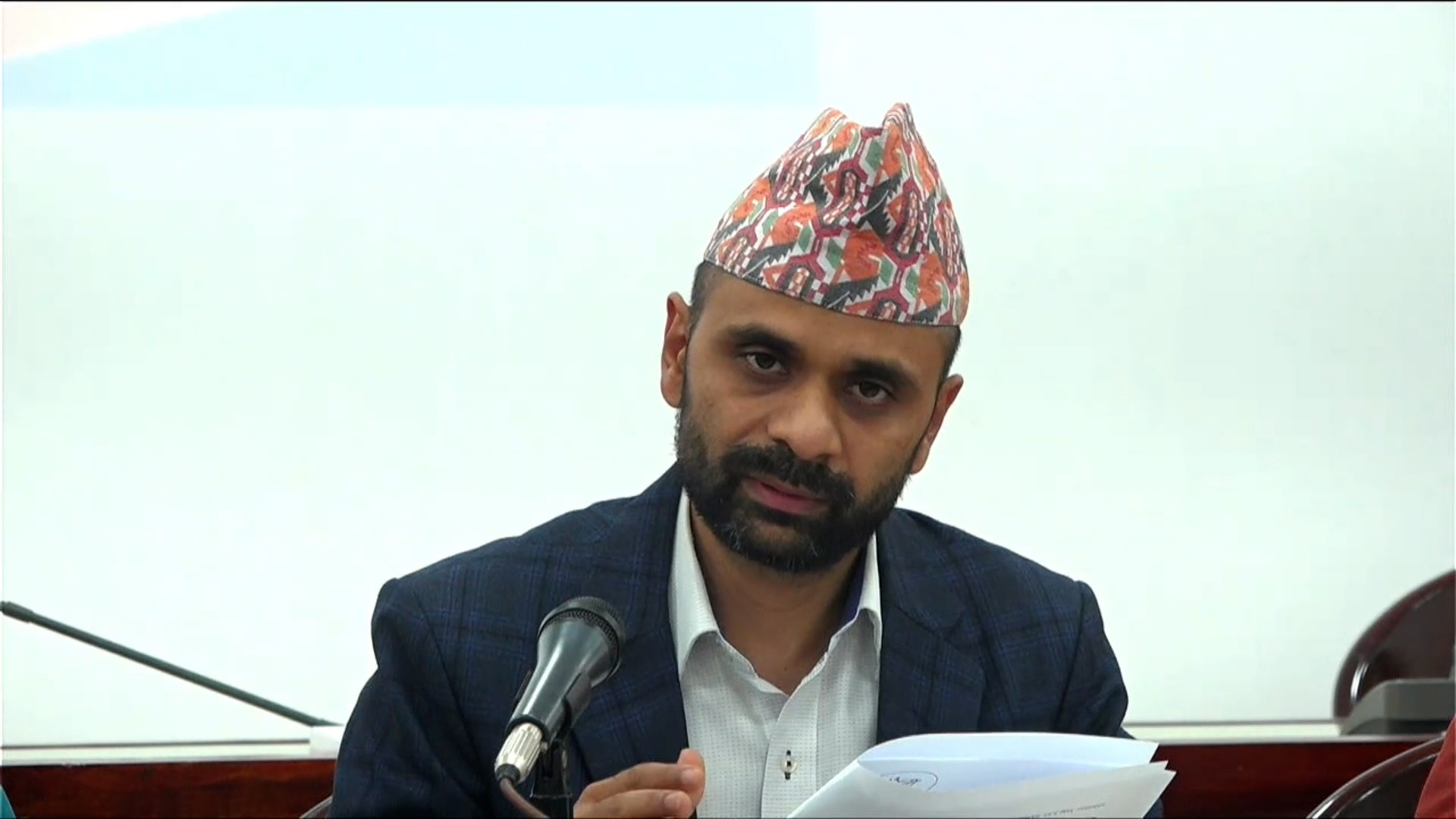


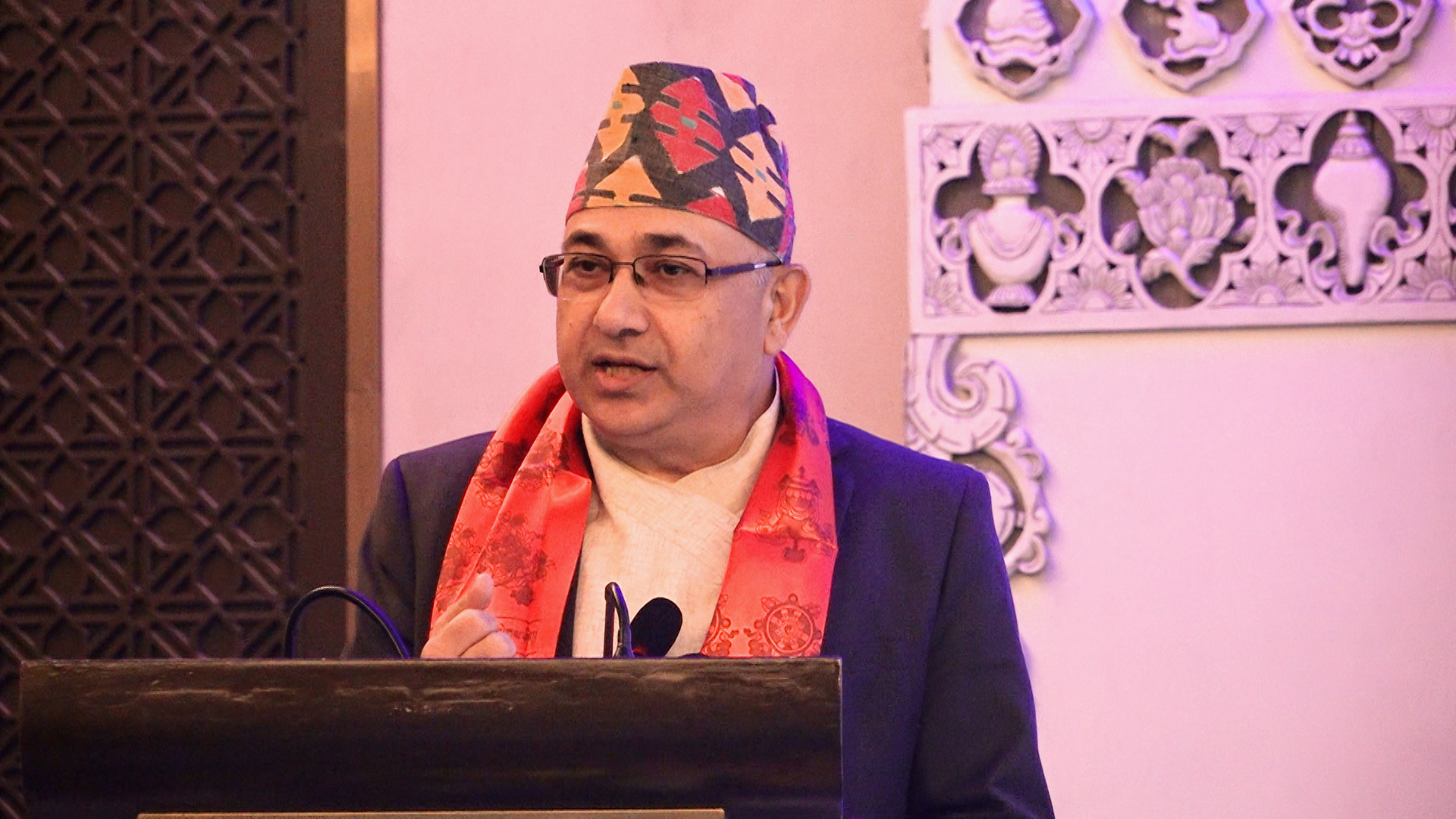
Hari Prasad Phuyal
I am very happy and proud to be present on the occasion of the 25th anniversary of the Blue Diamond Society. In this hour of silver jubilee, I would like to extend my heartfelt congratulations to the Blue Diamond Society and wish them all the best for the future.
It is a matter of pride that any organization is celebrating its 25th year. Such an achievement can be achieved only through continuous struggle, institutional efforts and tireless hard work. Moreover, these 25 years have presented a golden history of the organization’s continuous struggle for the identity, respect, equality and justice of gender and sexual minorities by breaking the illusions and boundaries of the society.
I would like to recall the helpful role played by the Supreme Court of Nepal in the history of social and legal struggles of sexual and gender minority communities. The social, legal and judicial environment at the time when a writ petition was filed in the Supreme Court on behalf of the Blue Diamond Society demanding marriage equality was not so easy at that time. I was overwhelmed by the opportunity to lead the hearing process of the case and the freedom that a section of the society enjoyed as a result of it.
During the hearing of the case, Hon’ble Justice Balaram KC and Hon’ble Justice Pawan Kumar Ojha gave priority to equality, non-discrimination and real guarantee of human rights by giving space to the stories of real struggles of gender and sexual minority.
Manisha Dhakal’s presentation in the bench that day is still fresh in my memory. She explained the two-hour debate that I had in two minutes and was able to draw the attention of the judges. At that time, Bhumika Shrestha said, ‘I did not like this’ is still fresh in my memory. It is not a mistake or a mistake to be born as a person of gender and sexual minority. However, his phrase reflected that the contempt of the society forced every member of this community to live in humiliating conditions. The case filed by the Blue Diamond Society really connected the court to the social realities. Even in judicial circles, I find the case to be a vivid example of the belief that ‘justice is not limited to the letter of the law but also depends on the real experience of the people and communities affected, oppressed and aggrieved, i. e. every person’s experience defines the limits of the law’.
The Supreme Court of Nepal has been giving guidance through various important orders and judgments on the issues of citizenship, identity, equality, marriage, family life with spouse and the right to live together. In this context, I have also been able to participate to some extent in the role played by the Supreme Court in the case of Sunil Babu Pant vs. Government of Nepal (N. C. P. 2065, Issue 4, N. C. No. 7958) as a lawyer on behalf of the Blue Diamond Society or while delivering the judgment as a judge in the case of Adhip Pokhrel v. Department of Immigration (N. C. P. 2080, No. 5, N. C. No. 11097) a few years ago.
Through these decisions, I would like to draw the attention of the legislature and executive to draw the attention of the legislature and the executive to draw the future legal framework of the rights of gender and sexual minorities and to extend my heartfelt congratulations to the management, employees, officials and all the elders of the community who are required. (Excerpt from the speech of Justice Hari Prasad Phuyal of the Supreme Court on the occasion of the silver year of the Blue Diamond Society)

 प्रतिक्रिया दिनुहोस्