

Open access model makes electricity cheaper: Chairman Dhital
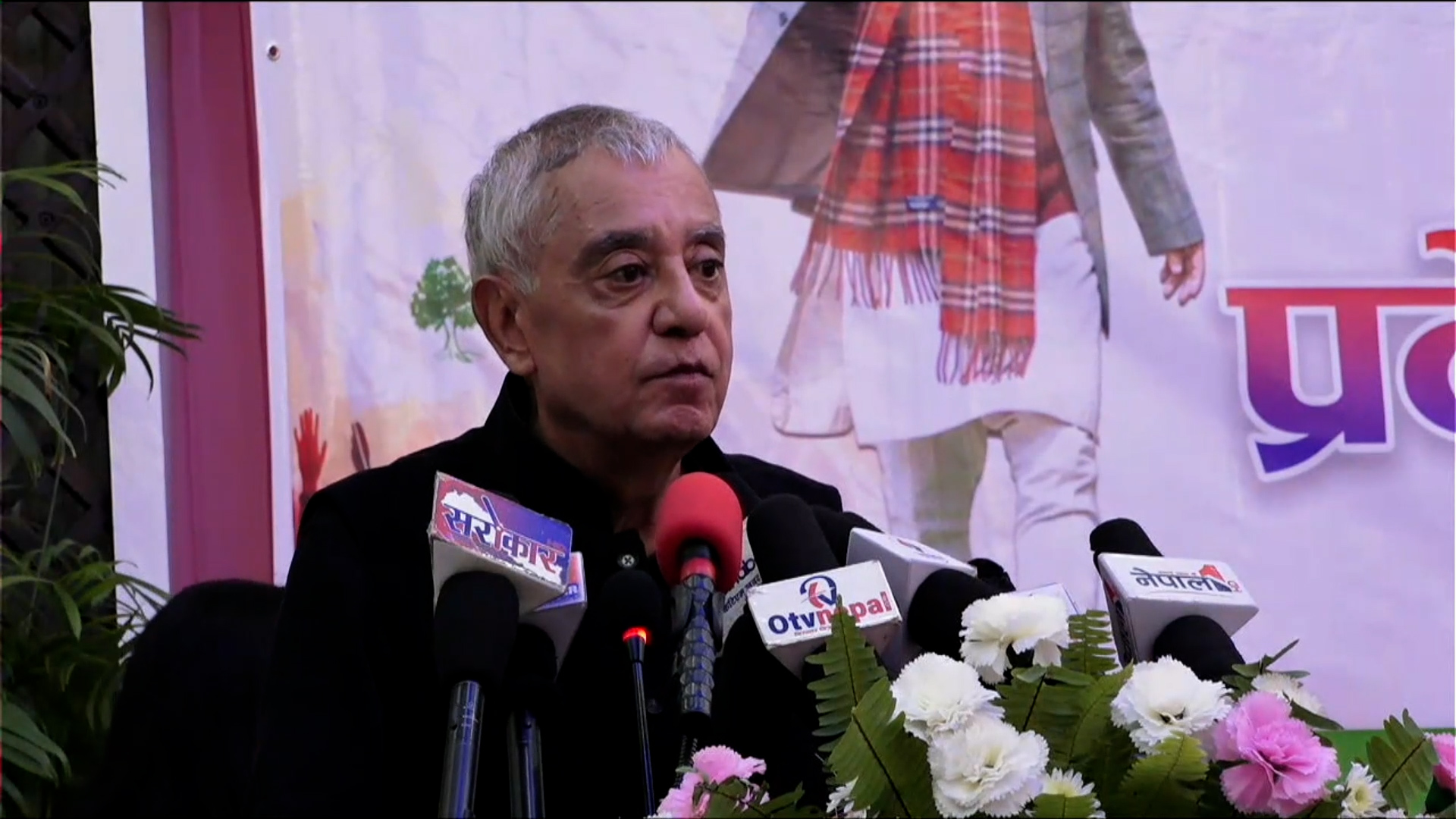
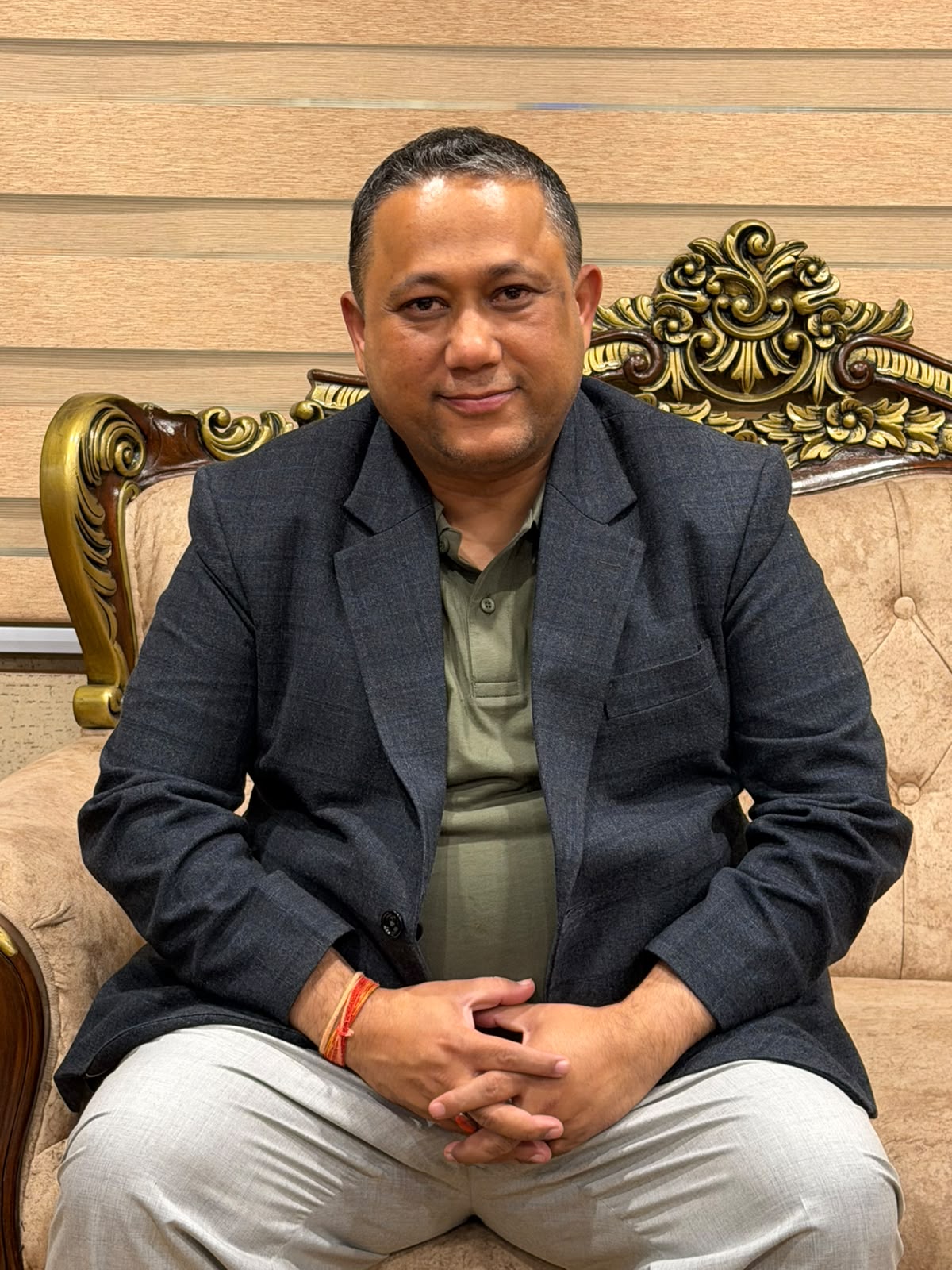
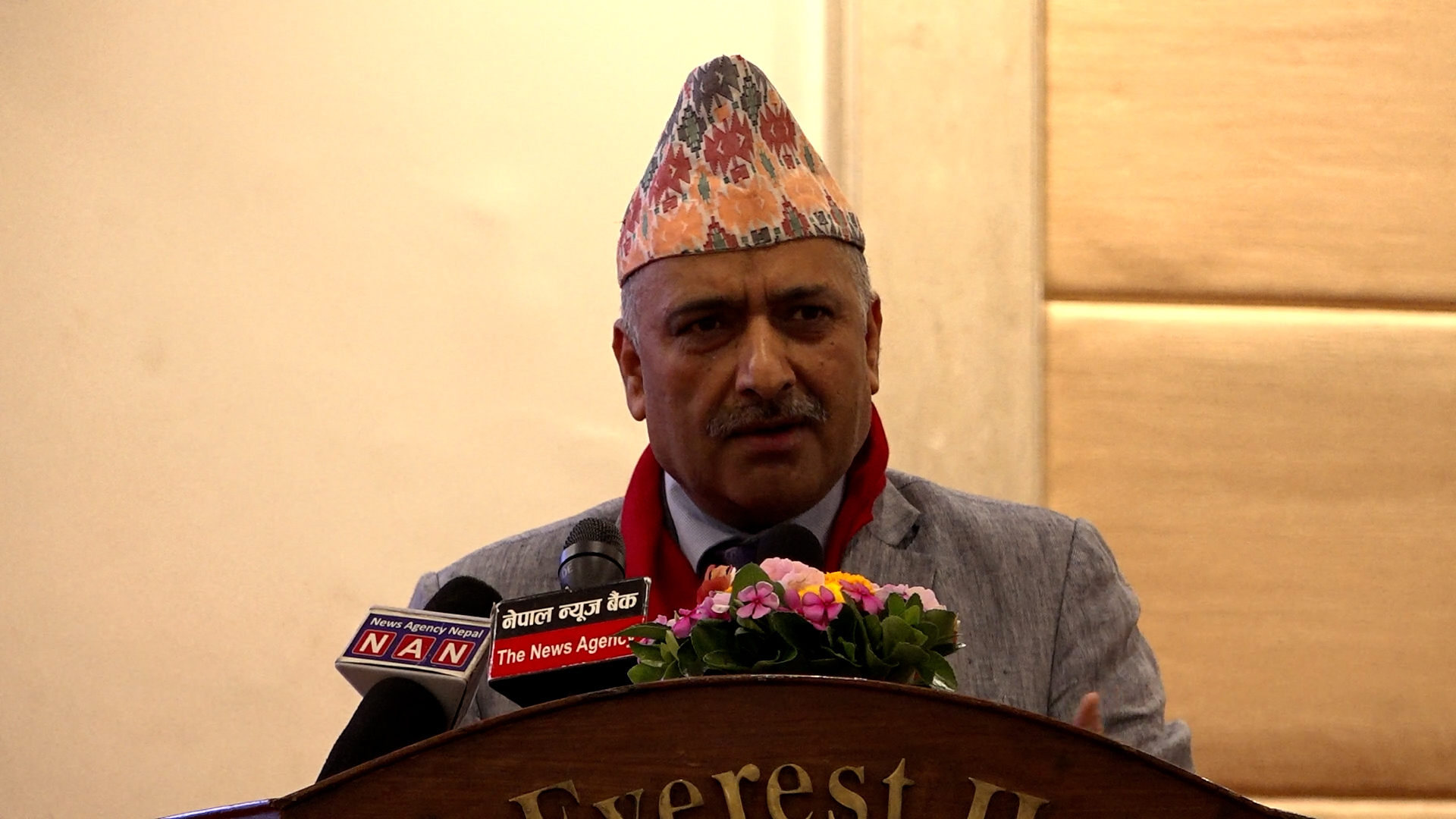
Kathmandu. Chairman of the Electricity Regulatory Commission, Dr. Ram Prasad Dhital said that the implementation of open access system in the electricity sector will increase competition and consumers will get electricity at a cheaper price.
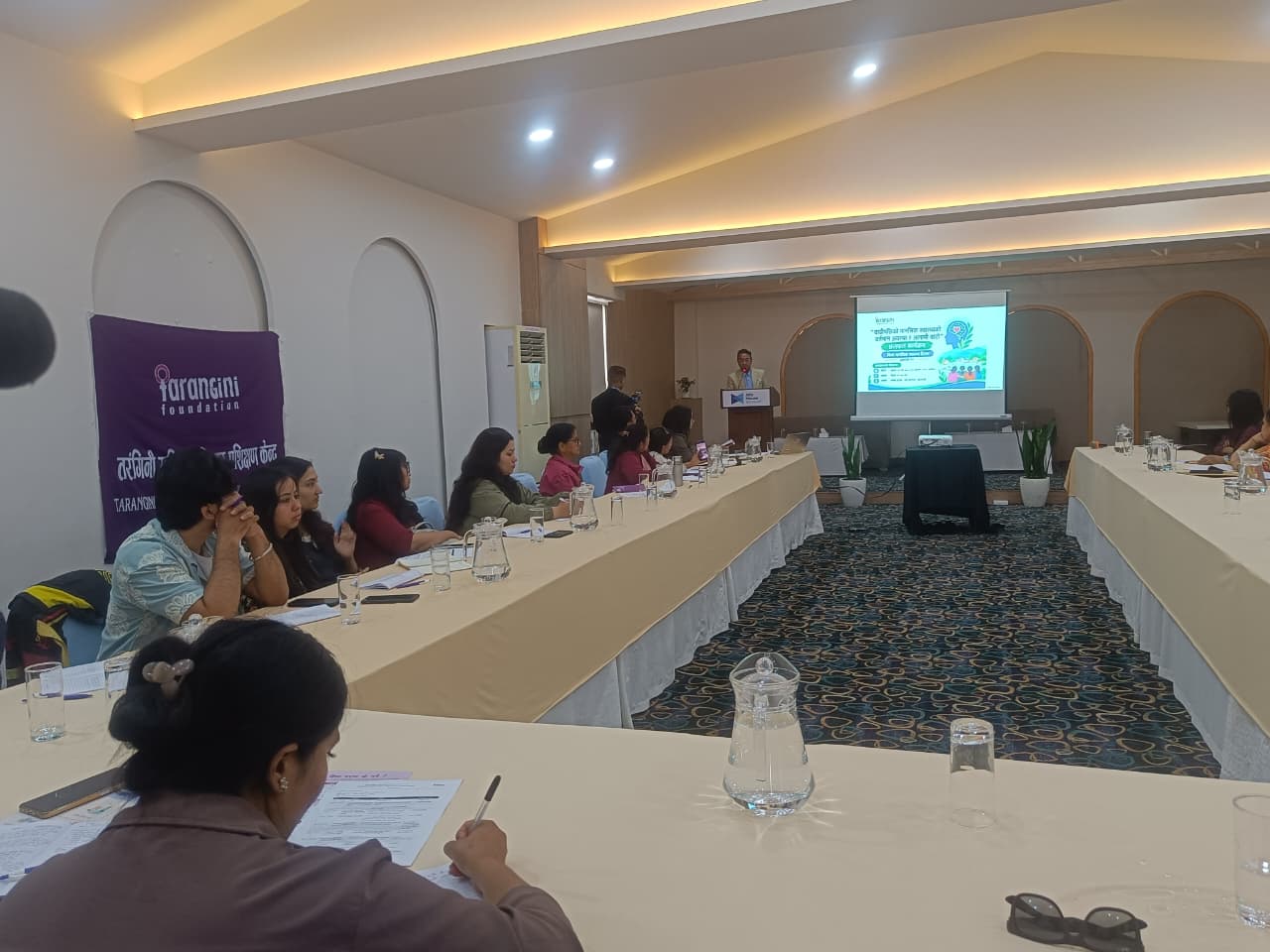
Speaking at a program organized in Kathmandu on Friday, he said that the objective of open access is to create a competitive environment by involving more buyers and sellers in electricity trade.
‘If there are more players, it will be cheaper, there is no dispute about it. It will never be expensive. Even if 57 paise is expensive, we will review and discuss,” he said.
Dhital said that the Commission had brought the guidelines on open access about a year ago, and other guidelines related to it were also under consultation. He said that the guidelines will be finalized after taking suggestions from the private sector, Nepal Electricity Authority, electricity consumers and experts. He said that the commission had studied the cost of the electricity transmission system, the financial details of the NEA and the income required for the coming year while determining the transmission fee under the open access.
According to him, an annual income of around Rs 17 billion is estimated to be required for the operation of the transmission system in the fiscal year 2083/84.
Stating that the Nepal Electricity Authority (NEA) has been involved in generation, transmission, distribution and trade at present, he said it would be easier to determine the real cost of the transmission service if these sectors were operated through separate institutions. Currently
, the commission has adopted the ‘postage stamp’ model to determine the transmission fee considering all the seven provinces of Nepal as a single area. He clarified that the fee will not be different according to the distance of electricity transmission. He said that a simple model was adopted in the initial phase as there was not enough data available.
‘This model does not give an indication of the market at all. But we did not have the data, so we brought this model,” he said. He said that more scientific models can be developed based on the distance of electricity flow, the actual cost and the condition of the system in the future.
Dhital said that a provision of 57 paise per unit will be applicable to the two-way transmission system and a separate model will be brought for the radial line that will flow one-way electricity. He said that in this model, the transmission distance, the amount of electricity, the cost and the loss sharing will be taken into account. He said that the contribution of the private sector in electricity production is significant and the participation of the private sector in broadcasting and trade should be increased. He said that the Commission is working on developing a competitive and regulation-based fee model to attract the private sector in the construction of broadcast infrastructure.
Similarly, he informed that preparations are underway to develop a regulatory framework related to disaster resilient infrastructure to minimize the damage caused to hydropower projects by natural disasters. He said that the framework will be prepared by incorporating the measures to be taken before, during and after the disaster.
He said that the study is also underway on determining the insurance premium on the basis of the potential risks in hydropower projects and also on the option of insurance, relief fund and project extension for compensation.
‘This is a dynamic document. Let’s do the pilot for this year,” said Dhital, adding that the commission is ready to make necessary amendments based on the suggestions and experience received during the implementation of the broadcast fee model.
He also pledged to hold continuous discussions with stakeholders to make the Commission’s directives and decisions effective and to incorporate the suggestions received.



 प्रतिक्रिया दिनुहोस्