

Kathmandu. The stakeholders have stressed on the need to immediately launch a coordinated psychosocial support program, saying that the flood-affected districts including Rasuwa have suffered physical damage as well as a serious mental health crisis.
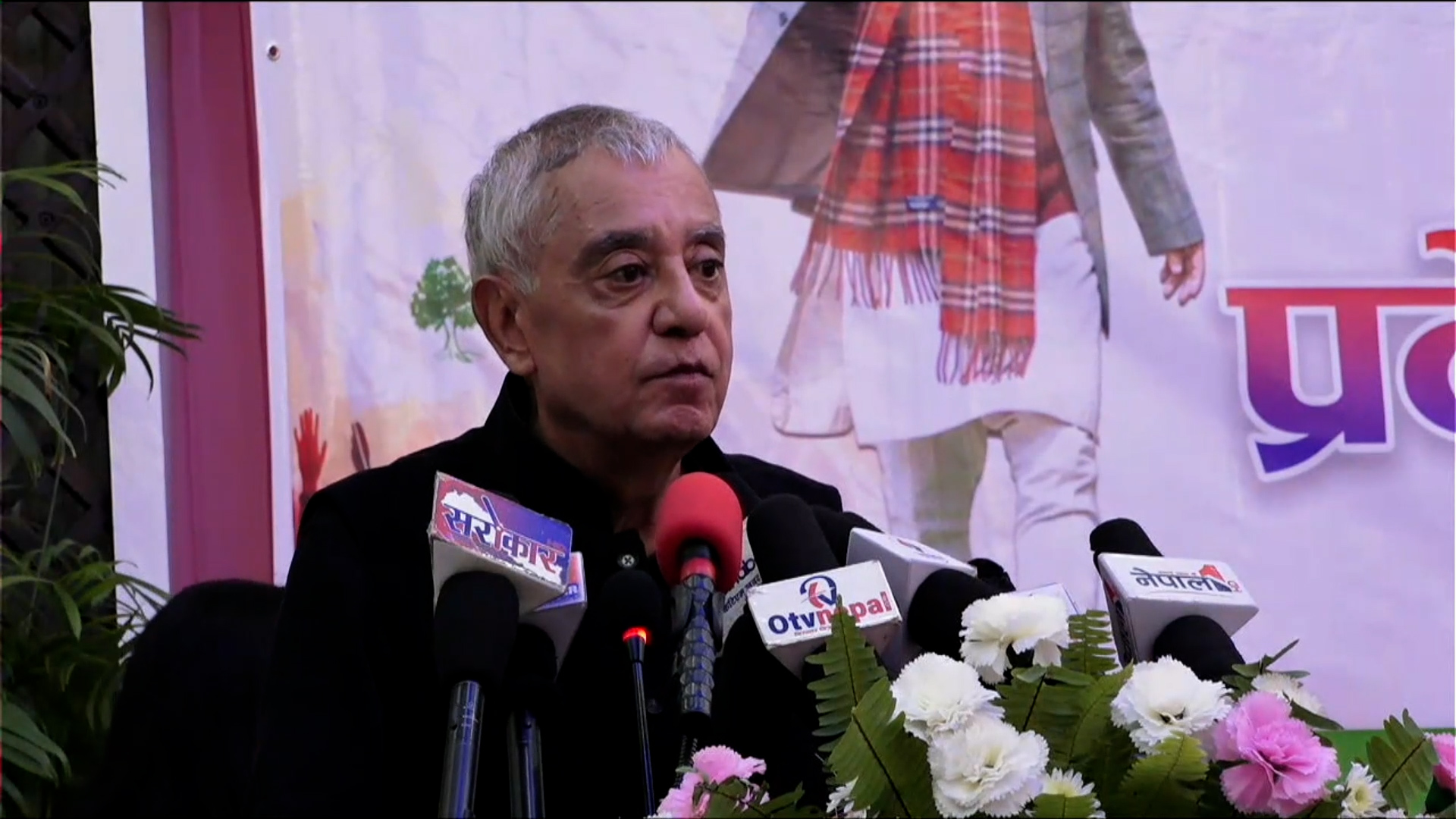
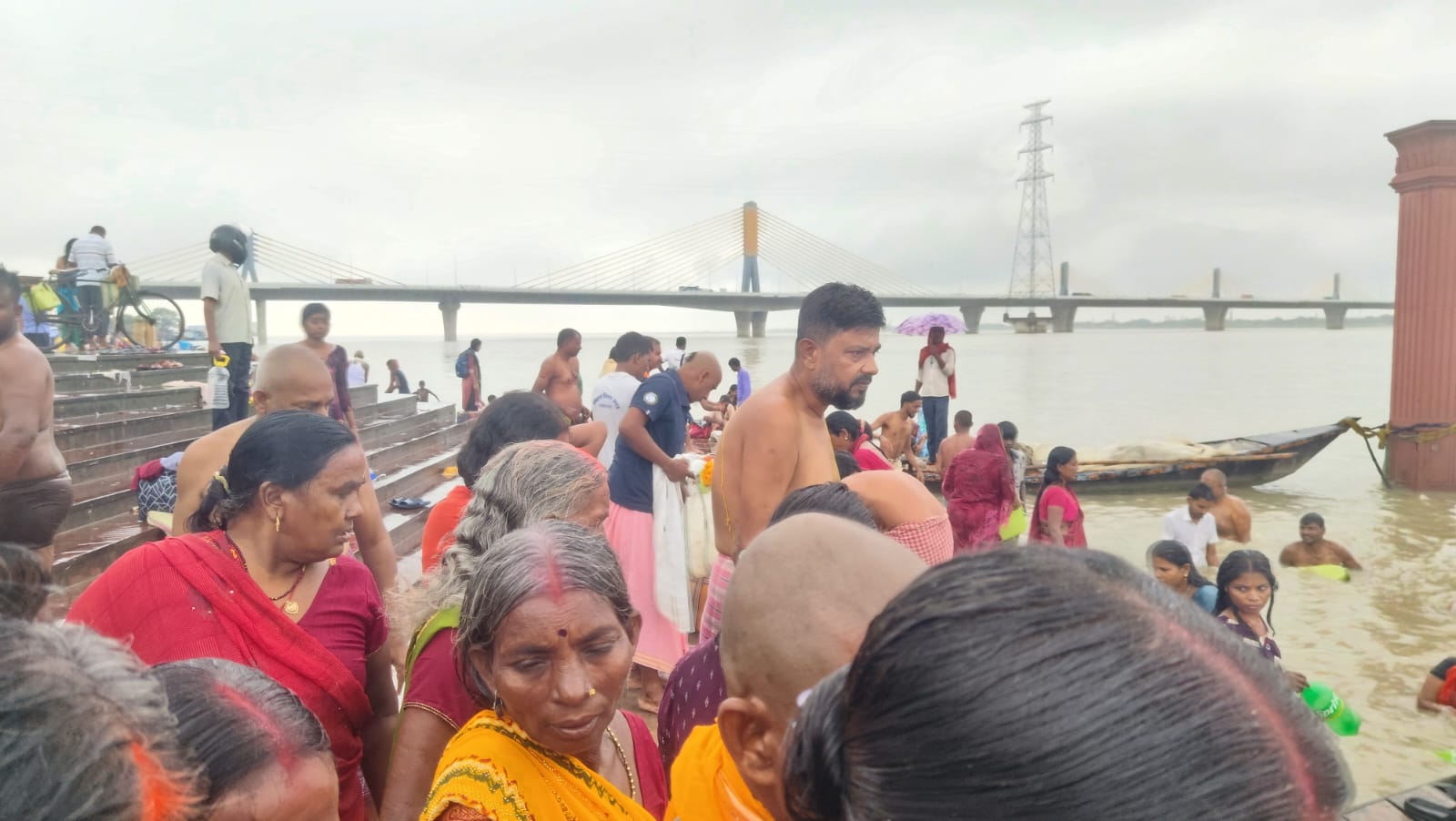
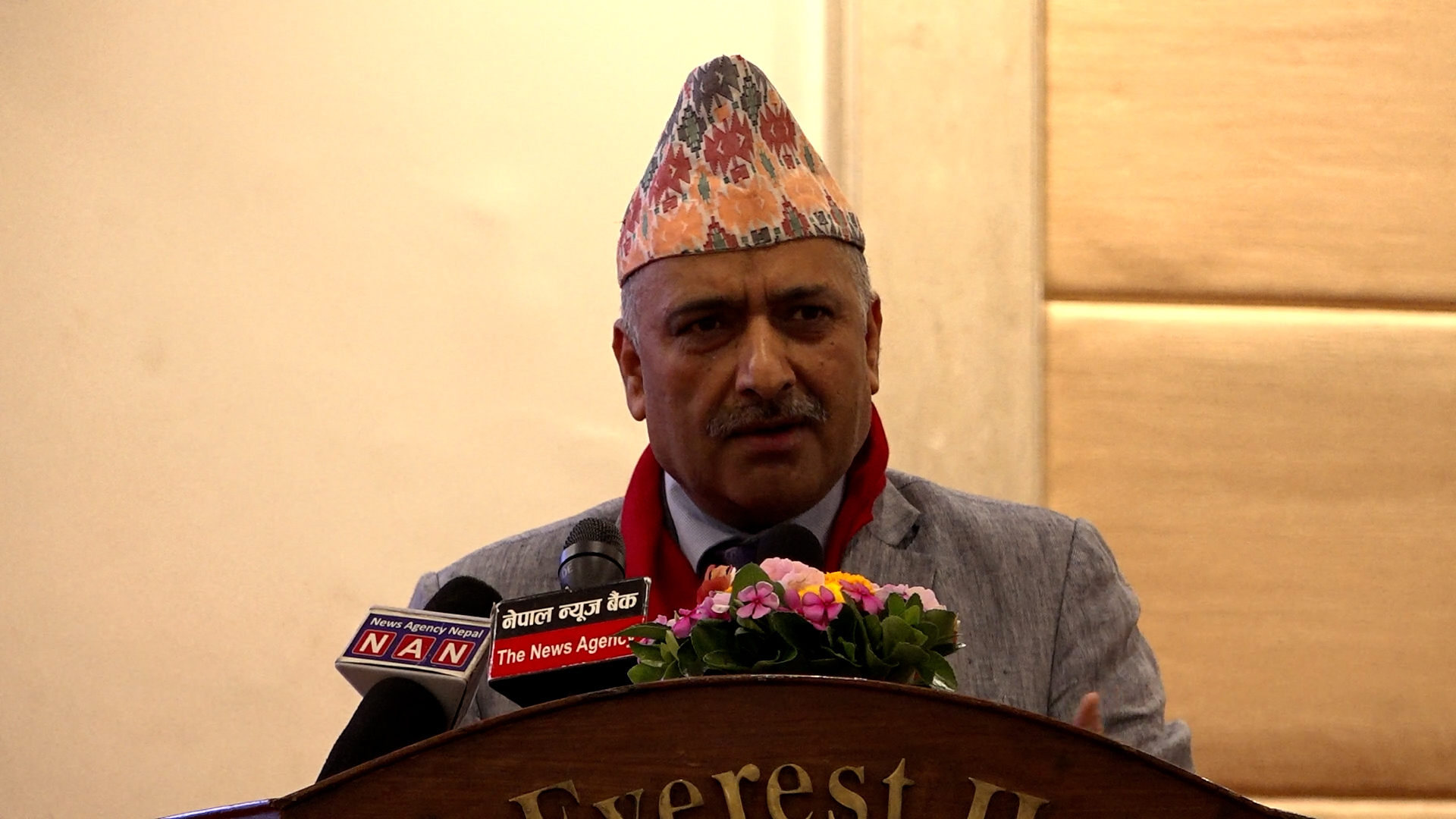
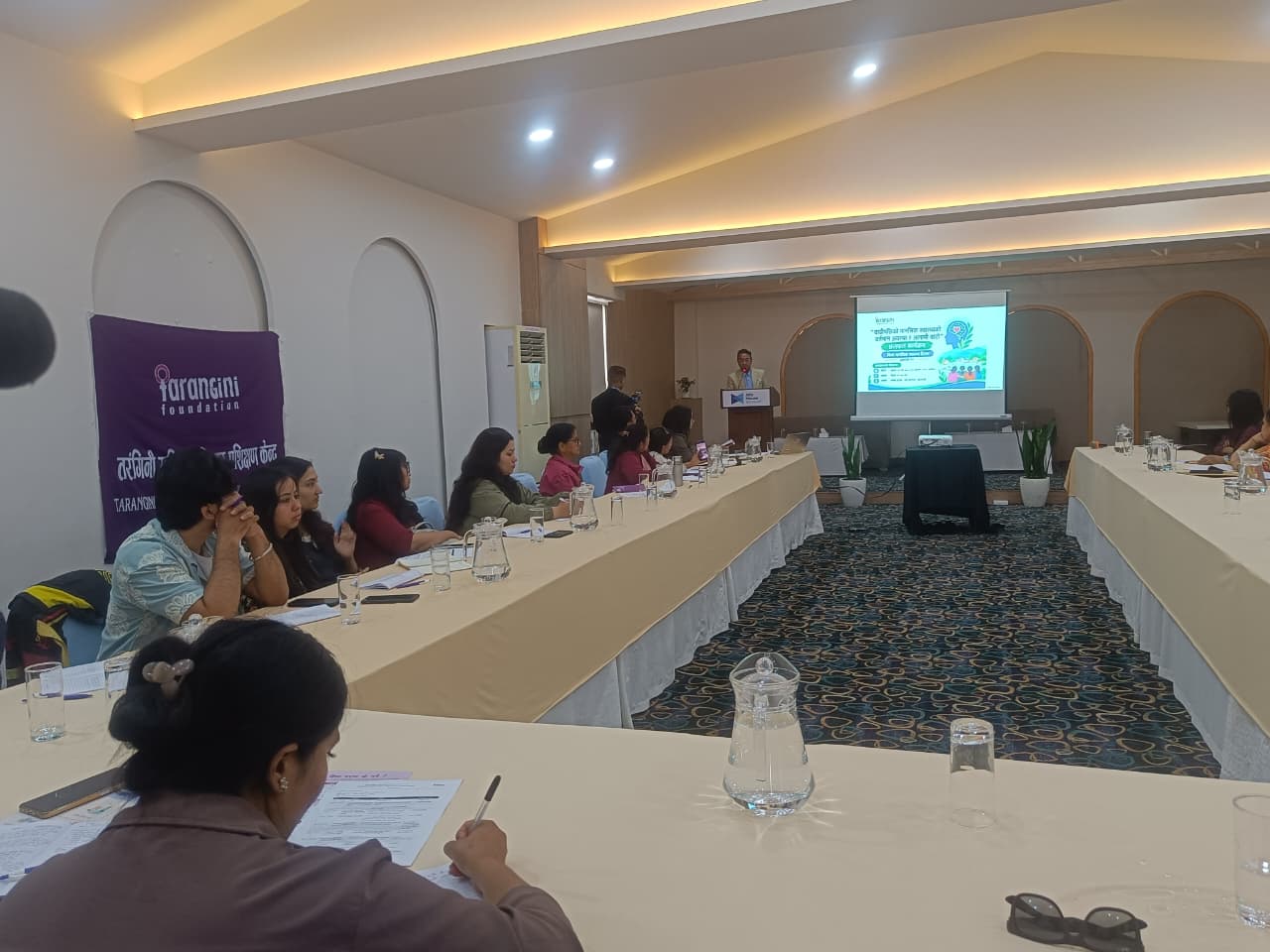
On the occasion of World Mental Health Day, the experts and stakeholders expressed their views at a discussion program on ‘Mental Health after Flood: Current Situation and Way Forward’ organized by Tarangini Foundation at Alpha House in Kathmandu on Saturday. The massive floods and mudslides that occurred along the Trishuli River corridor via the Sino-Nepal border on August 26 had caused huge loss of life and property in Rasuwa, Nuwakot, Dhading, Chitwan and other districts.
At least 1,455 people have been confirmed dead and more than 5,000 are still missing.
According to preliminary government reports, 1.6 million people in 62 districts have been affected, while more than 3,700 people have been displaced in Rasuwa, Nuwakot and Dhading alone. According to the concept paper presented in the program, even as the flood waters are receding, the symptoms of mental trauma, fear, insomnia, depression and post-traumatic stress disorder are increasingly seen in the affected areas.
Families who have lost their relatives and are still waiting for missing members have not been able to perform the last rites as per the rites, which has led to long-term mental problems.
The impact of this disaster is even more severe on women, children and girls. The speakers noted that the dual responsibility of caring for the family, lack of privacy and security in temporary shelters, and the risk of gender-based violence and human trafficking have made women more vulnerable. In addition, the security personnel, health workers and volunteers involved in the rescue have also been affected by mental stress.
The program pointed out the need to give priority to mental health services along with food and shelter in the primary relief after disaster.
The participants stressed the need to expand mental primary treatment and counseling services at the local level as there are only 0.68 psychiatrists per 100,000 population in Nepal and most of the health institutions do not have access to mental health services. The discussion was attended by government representatives, psychosocial and mental health experts, non-governmental organizations, women’s rights activists and media persons. The participants expressed a common commitment to provide gender-sensitive services at the community level by including mental health as a primary program with budgets in the disaster management and recovery plan.



 प्रतिक्रिया दिनुहोस्