

Not enough to eat its own produce throughout the year, food relief before snowfall
Hemanta KC, Nepal News Bank
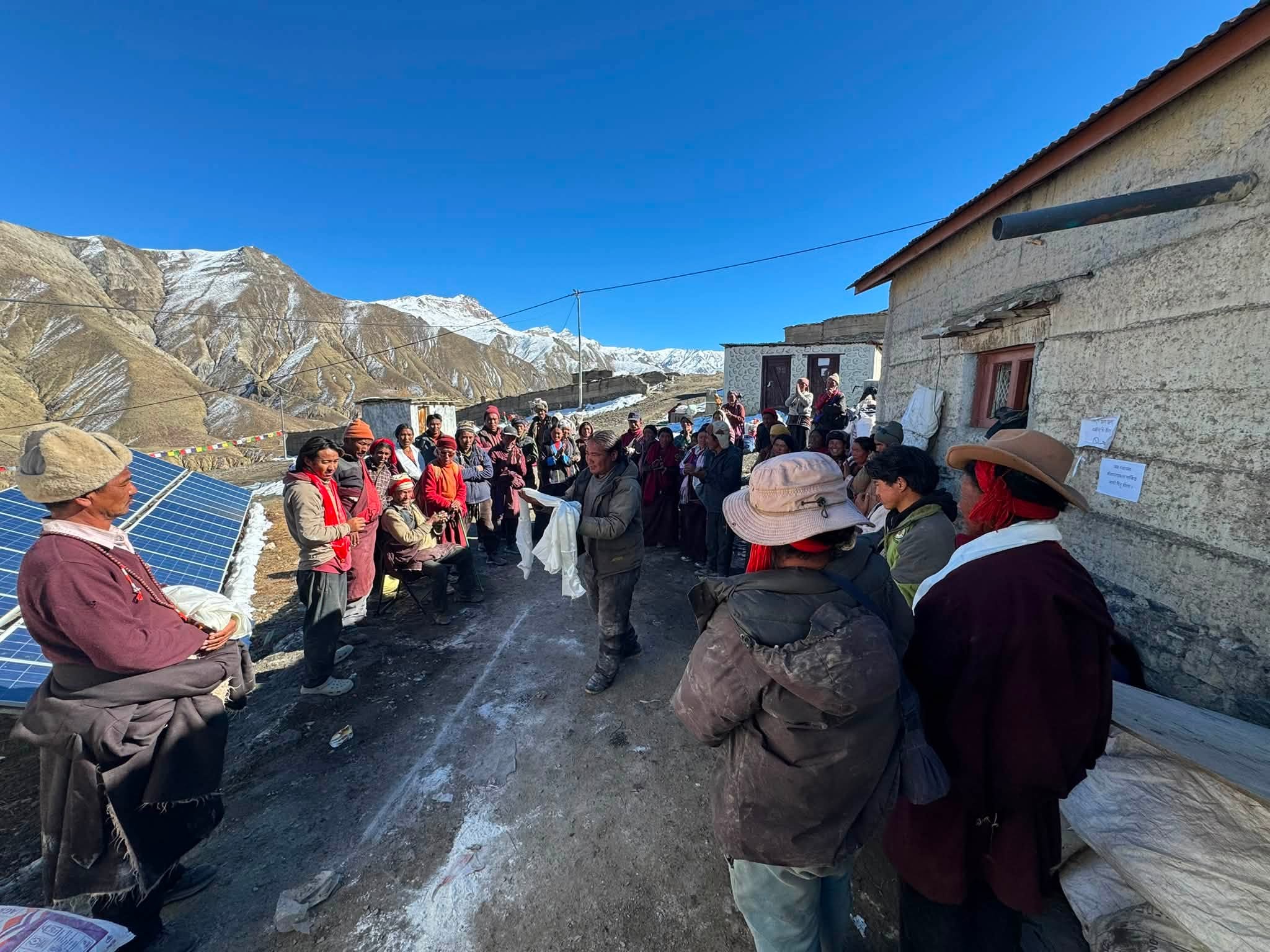
Surkhet. Shey-Phoksundo Rural Municipality of Upper Dolpa has distributed relief to the families who may face food shortage. The rural municipality distributed food items to 61 households in Ward No. 4 after hailstorm in August and September damaged the crops.
The rural municipality has said that the relief was provided in time in view of the situation of local families facing food crisis after the main food crop that was saved for food throughout the year was damaged in Uwa. Chairman of the rural municipality, Dhawa Sanduk Gurung, said that the food grains were supplied in October as the internal checkpoints of Upper Dolpa would be closed due to snowfall and the movement between the settlements would also be affected.
According to him, after the snowfall starts, the supply of daily essentials including food becomes difficult. Therefore, in view of the possible food crisis, relief has been distributed to the families affected by the hailstorm.
One crop a year, so the concern for food throughout the year
Due to the high mountain geography, extreme cold and short arable season, the wool is cultivated only once a year in Shey-Phoksundo. Since the local produce is not enough to eat throughout the year, the people here depend on the food imported from outside.
According to the National Census 2078, the population of Shey-Phoksundo Rural Municipality is 3,635. There are 861 households here. The food needs of such a large population cannot be met by local production alone. The seven-member family of Nimu Lama of Ward No. 3 of the rural municipality hardly has enough to eat for three months with their own produce.
According to him, only one crop is produced in a year due to excessive snowfall and lack of irrigation.
Residents here are compelled to buy food as local products do not have enough to eat throughout the year. However, as it is difficult to transport food, the price of rice is also expensive in the market. Locals have to buy food grains even by taking loans as there is no rice at the Food Management and Trading Company’s Saldang sales center.
Roads of transportation are closed with snowfall
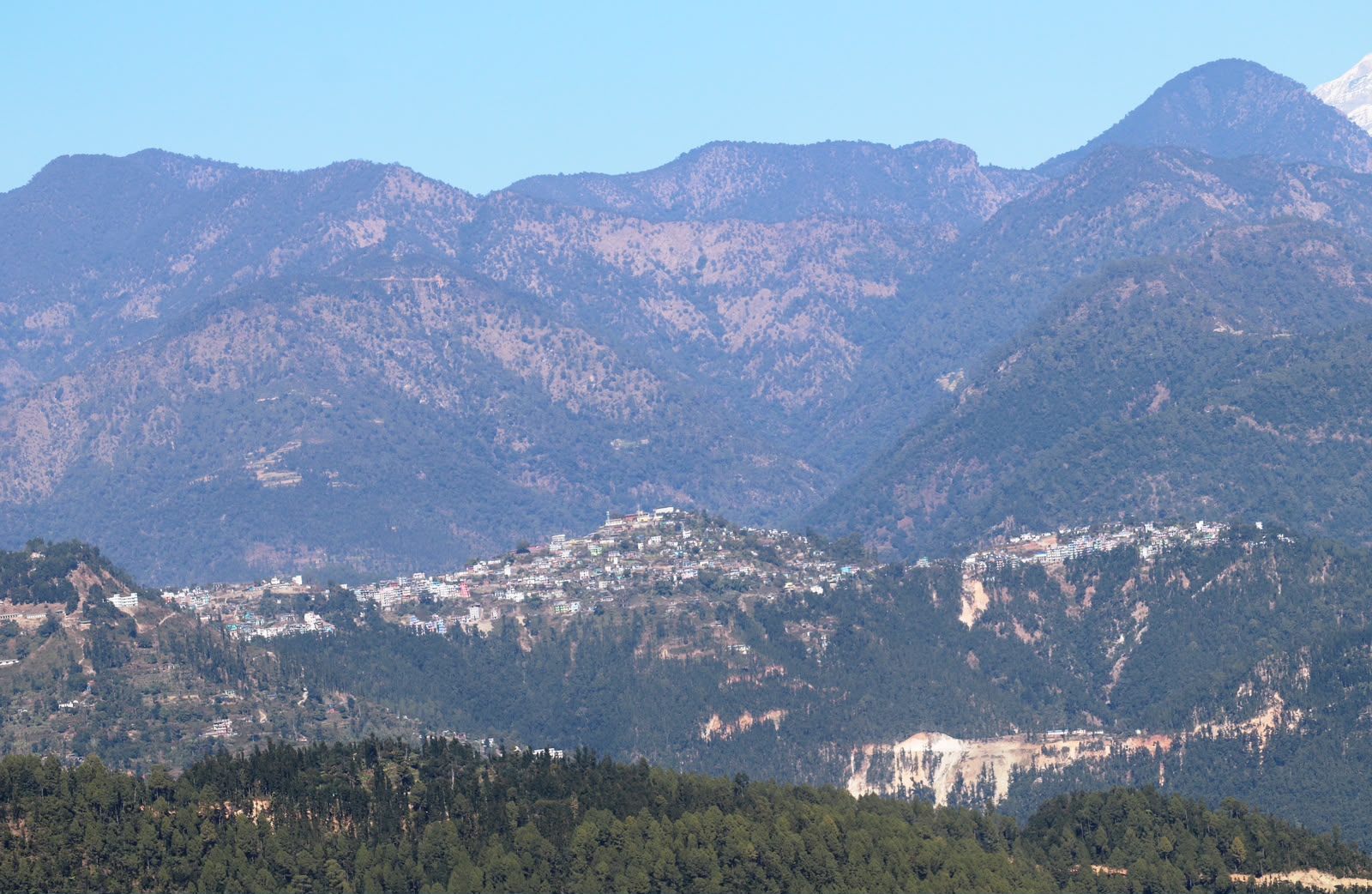
The geography of Shey-Phoksundo has become a challenge for food security here. Being a mountainous region, there is extreme cold and snowfall from October to March. The snowfall has disrupted food supply, health services and supply of daily essentials as the footpaths between the settlements have been blocked.
According to the details of Shey-Phoksundo National Park, the altitude of this area ranges from 2,130 meters to 6,883 meters above sea level. The southern peak of Kanjirowa Mountain is 6,883 meters high. Due to the high mountain geography and adverse weather, the life here is more seasonally vulnerable than other areas.
Snowfall not only affects agriculture, but also affects animal husbandry and daily living. When the grazing area is covered with snow, it is difficult for the livestock to get food. Due to extreme cold, the elderly, children and patients face more problems. It is difficult to take the patients to the health institutions and even bring the necessary medicines and materials to the villages.
Relief will solve the immediate problem, food security still more challenge
Food shortage is not a new problem in Upper Dolpa. When natural calamities damage the food that is produced only once a year, the local families have enough food to eat throughout the year. On top of that, the situation of not being able to bring food from outside after the snowfall further complicates the problem. The Food Management and Trading Company has been operating food outlets in Saldang, Dho of Dolpobuddha and Tinje of Chharkatangsong. But due to delay in food supply and seasonal blockade, rice cannot reach these centres on time.
The rural municipality distributing food to 61 families before the start of the snowfall is an attempt to reduce the immediate food crisis. But such relief programs alone will not solve the problem of long-term food security. There is a need to increase local production, adequate stock of food grains, timely transportation and a food storage system that can be distributed in times of disaster.
The situation in Upper Dolpa, where the annual food production is affected due to natural disasters and snowfall disrupts the external supply, has shown that the local government should keep food security in a regular priority.



 प्रतिक्रिया दिनुहोस्