

. A sub-committee formed by the Law, Justice and Human Rights Committee under the House of Representatives (HoR) has concluded that the condition of child correction prisoners in three major juvenile correction centres of the country is very worrisome.
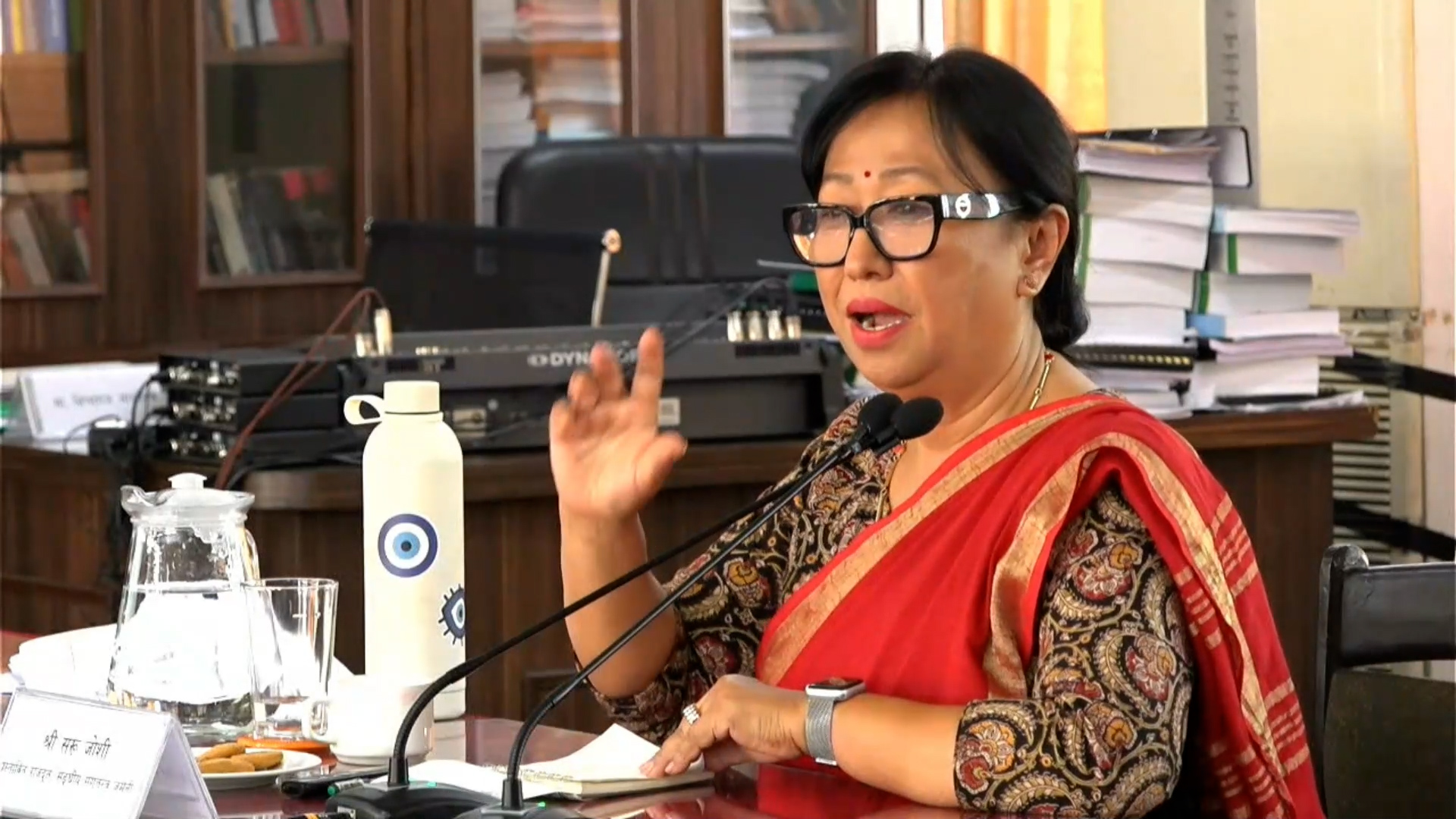
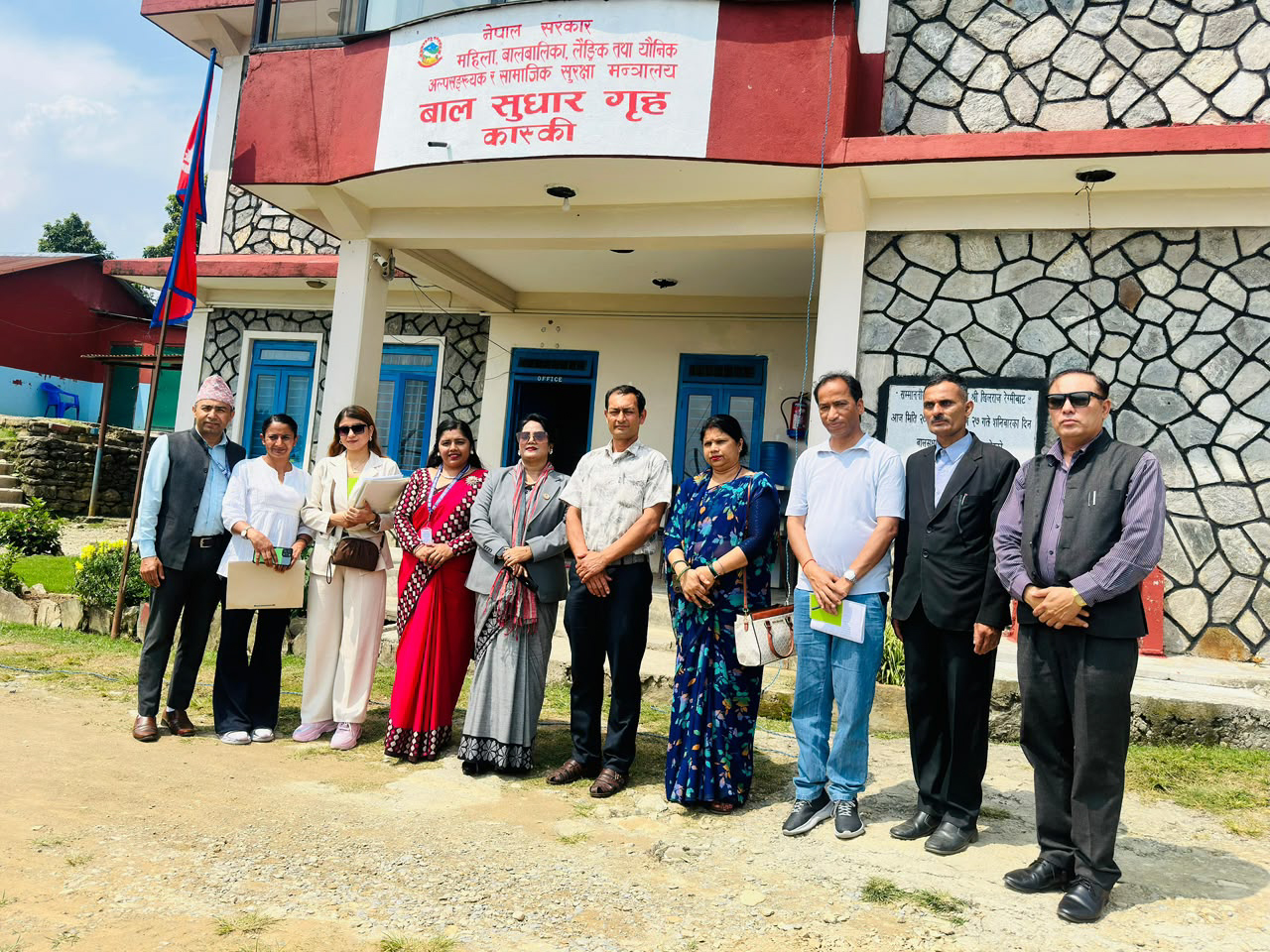
The sub-committee carried out a study of the juvenile reform homes in Bhaktapur, Rupandehi and Kaski and pointed out the lack of physical infrastructures, lack of classification on the basis of age and crime, lack of education and skill-oriented programmes, delay in judicial process and problems in rehabilitation. Releasing the report prepared after 45 days of study, lawmaker Ninu Kumari Karna, coordinator of the sub-committee, commented that the child correction home has been developed more like a prison than a correction centre.
According to him, the current structure and legal system has created a situation of more frustration than improvement of children.
The sub-committee has raised serious questions on the rights of children, security, physical infrastructure and access to justice and urged the government to take immediate steps for reforms.
The sub-committee was the first to inspect the Bhaktapur Child Correction Home. According to Karna, women and men have been kept in the same building in Bhaktapur. Incidents of conflict in the past have also shown that such a system poses additional risks.
“When we went to Bhaktapur, we saw that there is only one building, both men and women are kept in the same building,” she said, “There was a conflict in Bhaktapur before this.” Therefore, when men and women come together, an atmosphere of conflict is created, this is due to the lack of physical infrastructure. “
She said that there is no provision to separate child winners on the basis of age group. According to him, keeping child winners below 18 and above 18 years in one place has not created an environment for improvement.
Karna said that she was moved by the scene of children writing down their pain, frustration and mental state on the walls of the correction home during the inspection in Bhaktapur.
There is no classification of age groups, children are showing signs of mental stress, and mothers carrying children are forced to stay inside correctional homes.
The sub-committee has pointed out the Bhairahawa Child Correction Home in Rupandehi as the most pathetic condition of Bhai rahawa.
According to the sub-committee, 111 child winners have been kept in a very cramped building where 30 to 35 people can stay in a single room and 2-3 people can sleep in a single bed. Children are deprived of basic facilities such as education, sports, entertainment, sanitation and open spaces.
They are forced to stay inside their rooms all day, and the toilets have become dirty and unhygienic due to the cramped structure. According to Karna, coordinator of the sub-committee, there is a risk of disappointment rather than improvement in such an environment. There is a problem of nutrition as food is provided only twice a day. However, the facility of visiting parents and bringing food is somewhat easier and there has been a positive practice of senior child winners protecting, guiding and assisting the juniors, according to the sub-committee.
The sub-committee has said that the Kaski Child Reform Home was found to be comparatively well-organized in comparison to other two districts. Karna said that regular classes are being conducted with the help of local schools and the environment is not like that of a prisoner but like a correctional home.
According to him, the juvenile correction home in Kaski is geographically located at high altitude and the lack of water and transportation are the main challenges.
Kaski has education, skill-oriented training, psychosocial counsellors. But there’s a water problem. Transportation is not easy. Parents are unable to visit their children due to financial constraints,” she said.
According to him, most of the child winners there are from poor families.
Some of them have been forced to stay in correctional homes as their families have not come to receive them even though their sentences have been completed.
According to Karna, coordinator of the sub-committee, the highest number of cases of forced labor were found in the three juvenile correction homes. According to him, while some of the cases are related to actual crimes, in some cases cases of personal enmity, family disputes or even child marriage have been turned into cases of forced labor.
This has increased the risk of young children facing long sentences. The sub-committee has expressed concern over the serious impact on the education, skill development and future of the children if they are sentenced to seven years of imprisonment at the age of 14.
In addition, there are a significant number of juvenile victims involved in drug trafficking and murder cases.
Children are found to be involved in drug trafficking, especially in the border areas. The sub-committee concluded that the children’s future is at risk due to lack of legal awareness and wrong influences.
Karna said that one of the biggest problems is the delay in the judicial process. According to him, the lack of hearing of the case for years is affecting the education, mental development and future of the children.
‘The case reaches the courts, but it is not heard for years. It will stop the education, life and future of the children,” she said.
She said that the legal consultant working in Kaski has also complained that the hearing of the case is delayed in the court and the parents are unable to proceed with the legal process due to financial constraints.
The sub-committee has suggested the government to review the current legal provisions to treat child abusers like prisoners.
Karna stressed that children should be given the opportunity to improve, saying that long prison sentences will end their future.
‘If a 14-15 year old boy is sentenced to 10-15 years, then his life will be spent in a correctional home. That’s not justice. The sentence should be reviewed,” she said.
She also pointed out the need to classify crimes based on their nature and age.
‘Those involved in murder and those involved in a minor incident should not be kept in the same place. Classification is necessary according to the nature of the crime,” she said.
Even though the case of some children has been decided, the financial condition of the family, the legal process is expensive, and the fear of being accepted back into the society has made them more suffering.
The sub-committee has stressed that the state and society should give the children adequate opportunity to improve even if they accept their mistakes and express their desire to become good citizens in the future.
Karna said, “Children accept their mistakes, they think that when I go to the society, I will apologize to the society, I will study, I will earn my living.”
But a single mistake should not make them criminals forever. The state should give an opportunity for reform and the society should also be aware. “
Karna said that it is difficult to rehabilitate the children who have been dropped out of the correction home as the society has not accepted them. “Just because you make a mistake, you should not be seen as a criminal for the rest of your life. The family and society should accept the children who have returned after reform,” she said.
The sub-committee has suggested the government to expand the physical infrastructure of juvenile correction homes, keep men and women separately, classify them on the basis of age and crime, expand education, sports, health and skill-oriented programs, make legal aid effective, ensure speedy trial of cases and review the sentence period of juvenile survivors. The sub-committee has also stressed on the need to amend the policy and laws to make the correctional home a ‘center of reform and rehabilitation’ in the real sense and not a prison.
‘Children are also children. They should be given a chance to correct themselves. The responsibility of the state is not only to punish but also to reform and rehabilitate,” Karna said.
He said that there was an urgent need to conduct programs related to drugs, child marriage, sexual offences and legal awareness from the school level.
g.



 प्रतिक्रिया दिनुहोस्