

Rescue operations on flood-hit China side, using AI monitors and radars
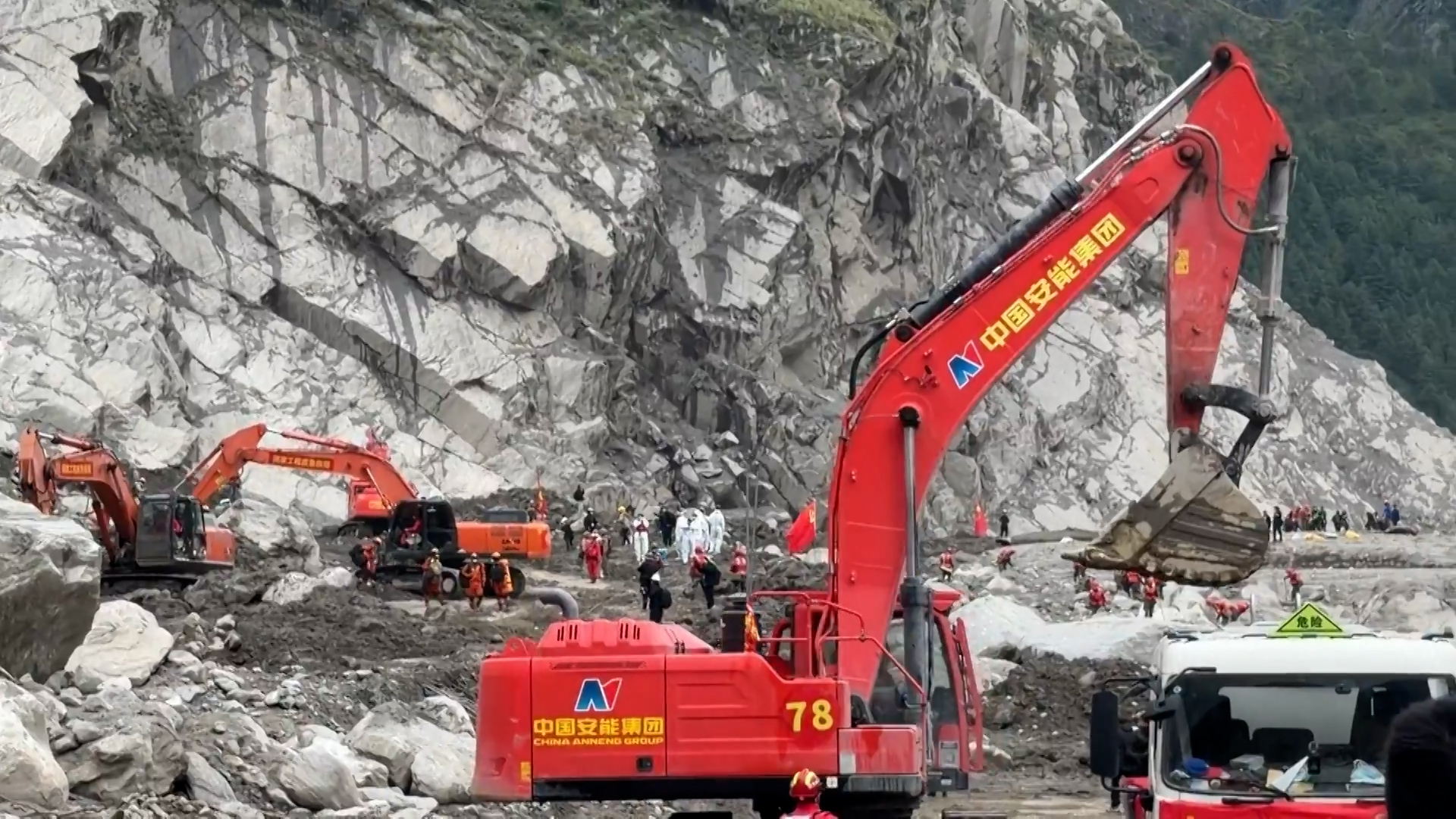
Agency. Search and rescue operations have been intensified in the landslide-affected main area of Jirong port in southwest China’s Xizang Autonomous Region.
Teams from various agencies are working round the clock to clear the debris, search for the missing and prevent further disasters.
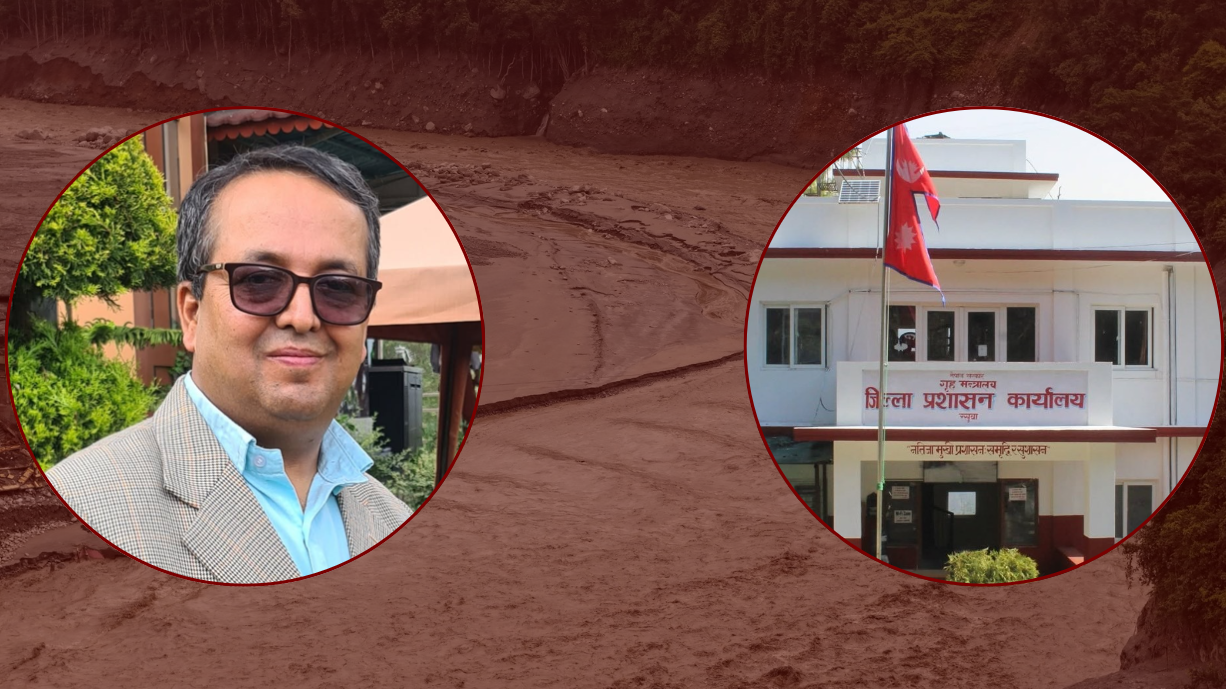
A series of landslides triggered by the collapse of a glacier in Nepal’s high mountain region damaged the Jirong port on the China-Nepal border on August 26. According to the latest data of the regional government, 21 people have been confirmed dead and 541 are still missing.
The port area, which was divided into two streams due to the landslide, has now become the main epicenter of the disaster. One stream of the landslide has reached the Jirong Zangbo River upstream while the other stream has spread dozens of kilometers downstream towards Nepal. The G216 National Highway, which was damaged by the landslide, came into full operation on Wednesday, making it easier to transport more rescue personnel and heavy equipment to the site.
At present, the first priority is to open the road and carry out the search operation. On Thursday afternoon, engineering teams from the Armed Police Force, fire brigade and China Eneng were removing the debris of the landslide using sophisticated machines.
The average thickness of the landslide at the incident site is around four meters while in some places the debris is up to 10 meters above the newly opened highway. After the operation of the road, the search operation has been expanded to important areas including the Joint Inspection Building, the parking area and the residential building. The search is being carried out in a more thorough and systematic manner using special equipment. The rescue operation has also been made effective to prevent further disasters. Keeping in mind the complex geological and geological conditions, the authorities have installed laser video AI monitors, radars to monitor the slope of the landslides, and other equipment. With these devices, the surrounding hills and slopes are being monitored round the clock. The AI monitor can detect subtle motions up to 0.1mm on a slope and alert security personnel to potential hazards in under a second. The weather forecast is updated every six hours, and evacuation routes have been prepared for emergency evacuation for the safety of rescue workers. Meanwhile, health and epidemic prevention teams from the Lhasa Customs Office and the Xizang Military Command are carrying out round-the-clock disinfection at the site. Priority has been given to sanitation and infection control, especially on transit routes and in areas where heavy equipment is used.
Rescue teams have been mobilized on a rotational basis, due to which the machines have been kept in operation continuously. The search and rescue work of the missing persons is going on uninterrupted. (CCTVplus)



 प्रतिक्रिया दिनुहोस्