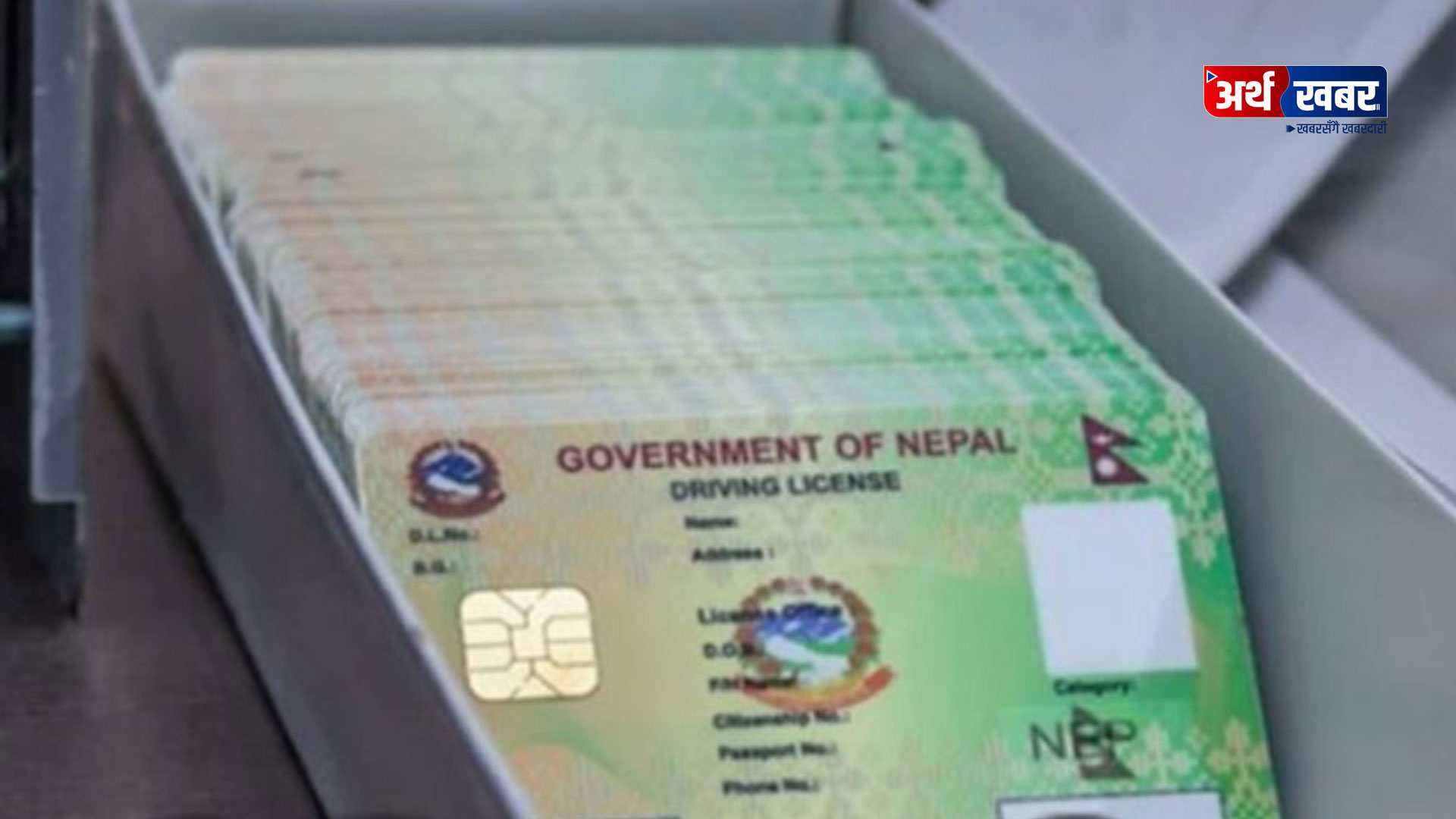
Kathmandu. KATHMANDU — Passport and driving license are now being delivered to the doorsteps of the citizens as per the government’s plan to bring service delivery to the doorsteps of the citizens.
To avail such services, the state itself has started reaching the doorsteps of the citizens to end the long journey to the district headquarters or the concerned office, standing in queues for hours, relying on middlemen and visiting them again and again.
According to Manmaya Bhattarai, Director General of the Department of Postal Services, this service has been started on a trial basis in Makwanpur, Myagdi, Dadeldhura and other districts.
Final preparations are underway in Sankhuwasabha, Nawalparasi (west of Bardaghat Susta) and all the districts are preparing their own plans for how the postal service will be provided.
Minister for Communications and Information Technology Dr. Bikram Timilsina is actively working to implement the programme.
He also directed the Department to formulate and implement action plan in coordination and collaboration among all bodies and inform the Ministry about possible complications that might be seen in course of implementation.
In the 100 Agenda on Governance Reforms made public on March 26, the government had announced to implement the provision of delivering passports, citizenship transcripts, licenses and other government documents at home within 100 days.
Chief District Officer (CDO) of Myagdi, Rabindra Acharya, handed over the passports to the concerned persons of Beni Municipality Ward No. 2 and 6 on Wednesday.
He said that passports have been sent to some places in the district even today.
‘We have received a positive response from the citizens who received the service in the initial phase. They have experienced that time, expense and hassle have been reduced,” he said
.
The government has adopted a strategy to reinvigorate the Department of Postal Services, which has been inactive for the past few years. A plan has been implemented to transform the postal service that has been delivering letters to every household into a government ‘courier service’. For this, priority has been given to coordination among the Department of Passport, Transport Management Department, District Administration Office and Post Office.
Chief District Officer of Sankhuwasabha, Srijana Thapaliya, said that the service was not easy due to the lack of an address system.
“We don’t have a systematic house number and postal code system. Although it is said that it will be delivered at home, it is difficult to reach the local level in some places. Attention should be paid to the management of human resources along with the geographical remoteness,” he said.
Similarly, the development of postal tracking system, dissemination of information through SMS, lack of human resources and lack of vehicles in remote areas are necessary to address the problems related to the implementation of this system.
According to him, additional resources and infrastructure are needed to expand postal service in districts with a large area.
The Department of Postal Services has said it plans to train employees and mobilize new human resources if needed.
It will take more time to effectively implement this program across the country.
The District Administration Office has also been given the responsibility of collecting and distributing passport details.
If the passport printed by the Department of Passport goes to the district administration through post, the district administration has to inform the post office again for distribution. The Ministry of Communications and Information Technology and the Ministry of Home Affairs are working in coordination to eliminate double expenses and time consumption. This problem can be solved if the Passport Department can distribute it directly through the post.
However, the fee charged for delivering documents from the postal service to the homes of the citizens has not been determined. According to Director General of the Department of Postal Services, Bhattarai has been asked to charge up to Rs 55 from the service recipients and send the documents through post. This fee determination and criteria are yet to be uniformed nationwide.
Similarly, the post office is doing homework on how to make the entire service process trackable and time-bound. Once this system is fully implemented, the service recipients will get information on their mobile whether documents like passport, license have been prepared or not or not, in what condition they are and when they will reach home.
Until the service is expanded nationwide, all citizens will not get the same benefits.
Citizens in remote districts, especially in remote districts, are still dependent on the old system. Due to lack of infrastructure and manpower, it may be difficult to implement the new system. Public service delivery experts have said that long-term planning, adequate investment and continuous monitoring are necessary for the effective implementation of the programme.




 प्रतिक्रिया दिनुहोस्