

Kathmandu. KATHMANDU: The International Relations and Tourism Committee of the Federal Parliament has intensified discussions on the bill for the protection, promotion and documentation of intangible cultural heritage for the first time in Nepal.
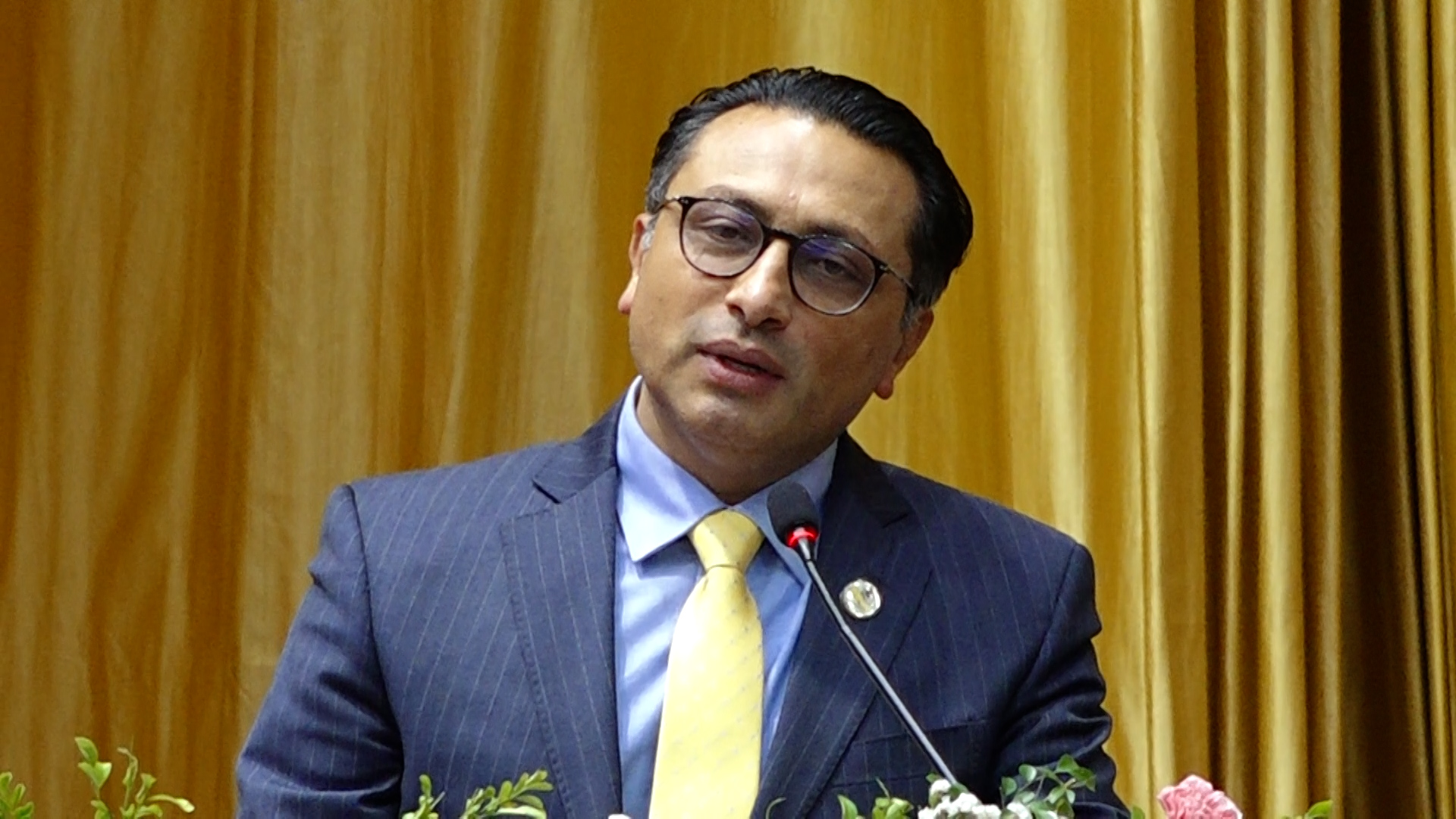
This bill has made a significant effort to bring the country’s intangible heritage under the ambit of law. The bill covers the definition of intangible (or non-material) cultural heritage, provisions for national listing, and the rights of communities. BHIM Nepal, an ICH expert, said that this is the first attempt in the context of Nepal, but it has prepared an important base for conservation.
According to him, extensive discussion was held in the committee on the issue of using the words ‘non-material’, ‘abstract’ or any other word in the context of naming the bill. Nepal said that the term ‘intangible’ would include subjects that do not have form or form and although ‘non-material’ would also include spiritual and religious aspects, the main issues of law formulation and implementation should be rather than words.
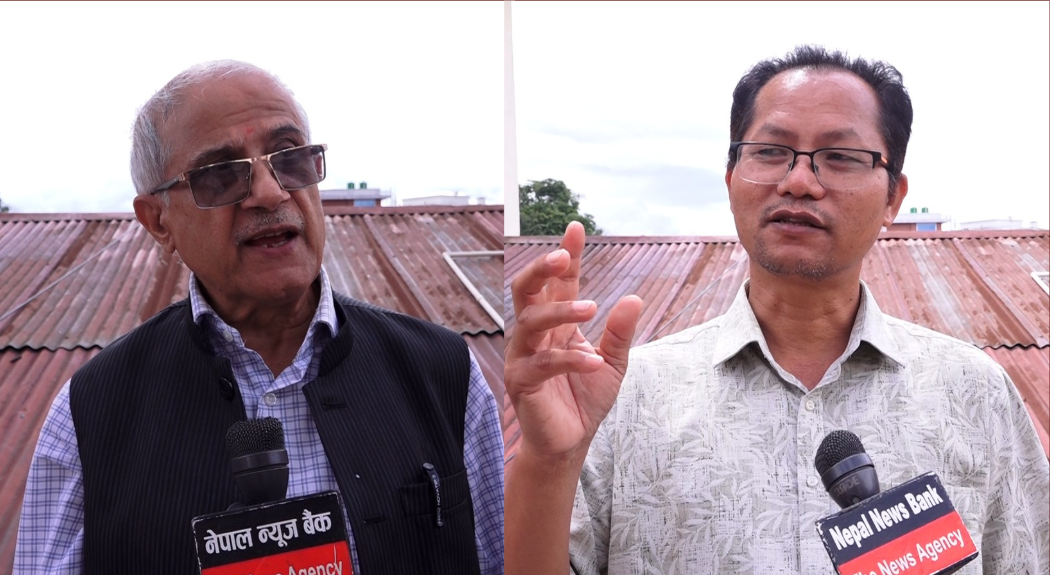
Culture expert Som Dhimal said the bill was community-centric as per the objectives of UNESCO’s Convention on Intangible Cultural Heritage. According to him, the main spirit of the Convention is to transfer the heritages from one generation to another.
In an exclusive conversation with Nepal News Bank, Dhimal said the bill seeks to make all three tiers of government (federal, provincial and local) responsible for the protection and promotion of intangible cultural heritage.
“An arrangement has been made by the state to provide financial and technical support to revive the heritages damaged by disasters and epidemics with the ownership and participation of the local community,” he said.
He added that the situation of conservation of intangible cultural heritage in Nepal is becoming worrisome due to the ageing of senior artists and practitioners who are rich in knowledge and skills in the cultural sector and the younger generation is not attracted due to lack of employment and foreign employment. He also pointed out that it could not be linked to income.
Dhimal made it clear that the community concerned has been voluntarily protecting Nepal’s festivals, jatras and traditional knowledge in the present situation without huge financial support from the state. It has been continued by the elders of the community through the help of Vaidya, shamans and customary laws. He said,
It is clear that the sense of ownership in the community will be further strengthened if the state prepares and lists national records in the future. The long-term preservation of intangible cultural heritage will be achieved only if the state provides for acts, funding and national listing, and communities play an active role by passing on their knowledge, skills and culture to generations.

 प्रतिक्रिया दिनुहोस्