

Govt committed to make mediation accessible to people: Minister Gautam Minister Gautam has said that the experience and suggestions of people working at the grassroots level should be incorporated to make the law related to mediation practical and accessible to the people.
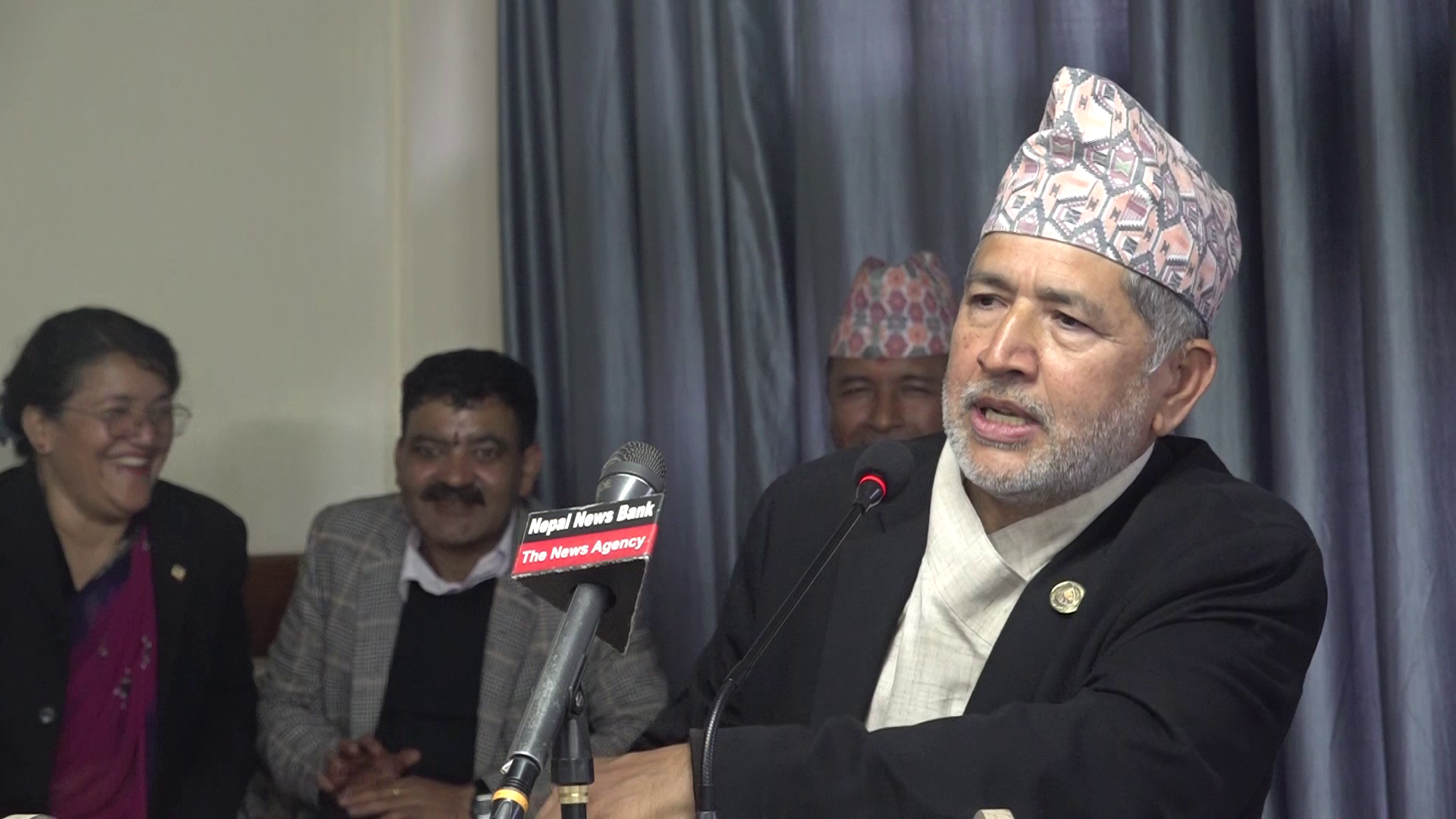
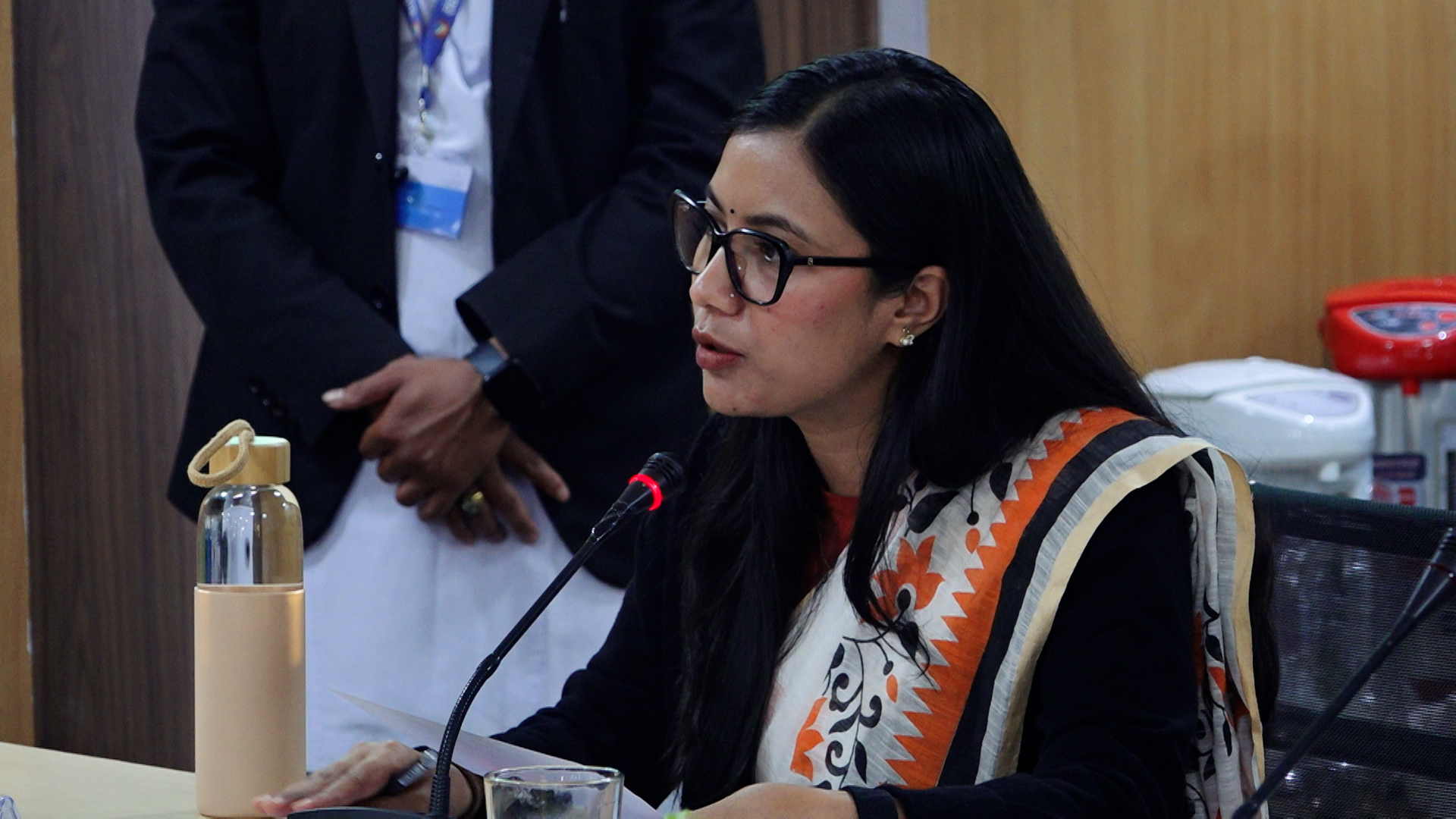
Speaking at a meeting of the Law, Justice and Human Rights Committee on Thursday to discuss the Mediation (Second Amendment) Bill-2083 BS, Minister Gautam said that discussions were underway to resolve the disputes seen in the rural areas at the local level without allowing them to reach the court.
She said, “Everyone has realized that the Second Amendment Bill on Reconciliation Bill is necessary. Our discussion is centered on how to make this bill more practical, how we can solve the disputes seen in the villages so that they do not have to go to the court, and we can resolve them on the way.” She said that while making laws, the experience of the people working in the field should be given priority. She urged the stakeholders to openly share their experiences and problems, saying practical difficulties may arise in the implementation of policies and laws made in closed rooms.
“Actually, most of the laws should be made by the eyes of the people working on the ground, we should be clear on that. Laws and policies written in closed rooms may not work, they may be difficult,” she said.
She also said that the suggestions received on the complexities and practical problems seen in the working area could be incorporated in the clause-wise discussion of the bill. Minister Gautam said that there are different views on whether to give the role of a mediator to the judges in the
bill or not. He said that the Nepal Bar is of the view that judges should not be given the role of mediators and some stakeholders have considered it appropriate.
She said that although established jurisprudence and legal principles should be taken into consideration while formulating laws, the situation of Nepali society and practical complexities should not be overlooked.
‘The precedents of law all the time, the principles we propound, are not just read in books. The practical complexities of our society can also lead to new legal principles,” she said.
She clarified that the proposal to involve judges in the conciliation process is aimed at increasing the confidence of the parties in the dispute resolution. She argued that designating at least one judge in a court with more than five judges for mediation would make the parties to the dispute feel agreed upon in the presence of the court and this would increase the credibility of the conciliation process.
“It is not that we should not have a judge, it does not mean that we should not have a judge. But why we made this proposal is that if there is a dispute at the local level between two or more parties, the mediator will settle it. “But if at least one designated judge mediates a settlement where there are more than five judges, then the parties that are arguing tomorrow will have a belief that it was done by the judge, in the presence of the judge,” she said.
She said that the government is ready to seek alternative arrangements if all the stakeholders do not agree on giving the role of a mediator to the judges. She described mediation as a process of creating a win-win situation to resolve disputes with the consent of both parties.
‘Reconciliation is again a win-win situation. It will be good for the society if we can bring both the parties to an agreement and reconcile by doing a very just thing. It is a very clear belief that we should focus on this. The government is committed to this,” Minister Gautam said.



 प्रतिक्रिया दिनुहोस्