

Dharmendra Jha
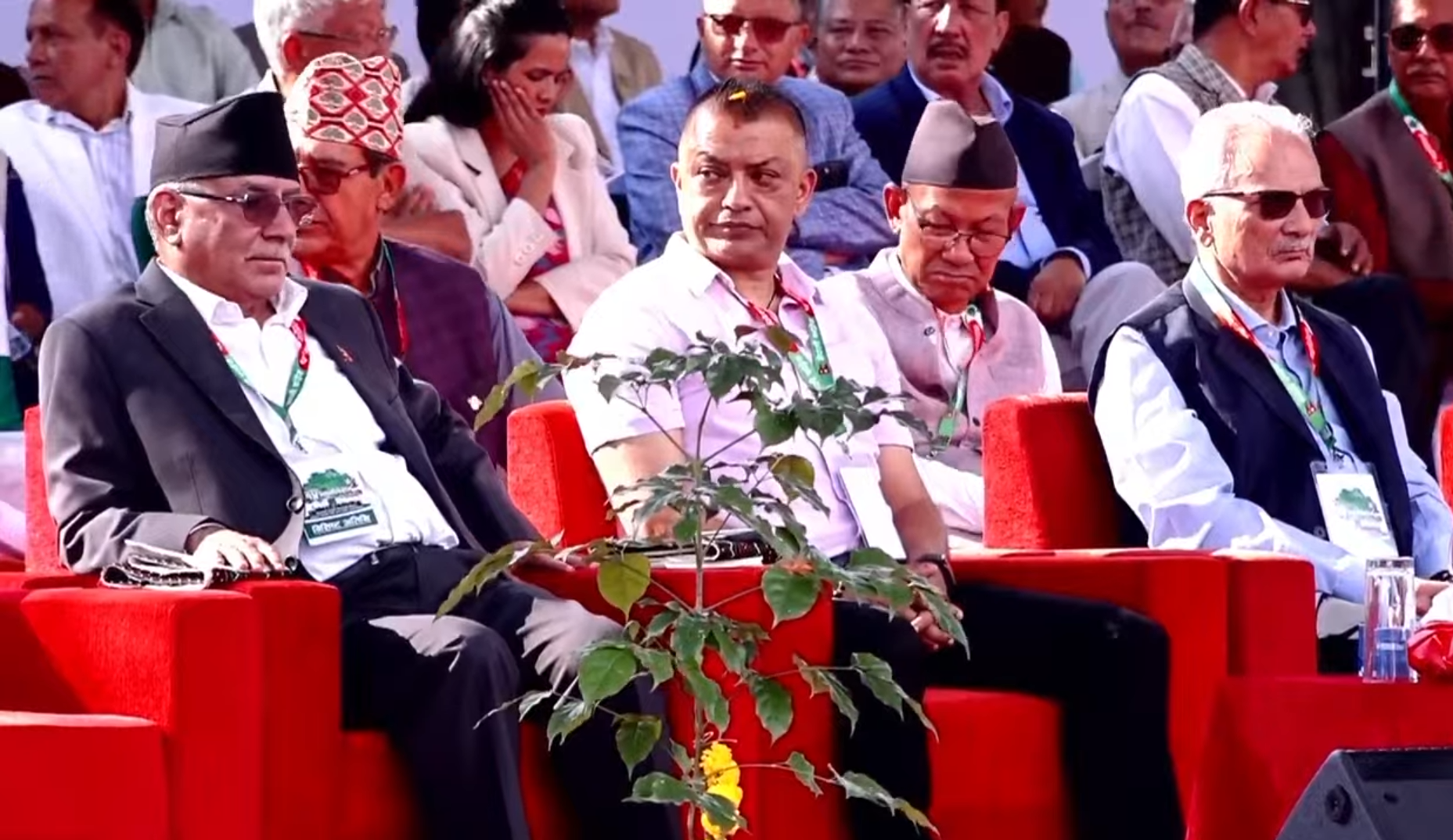
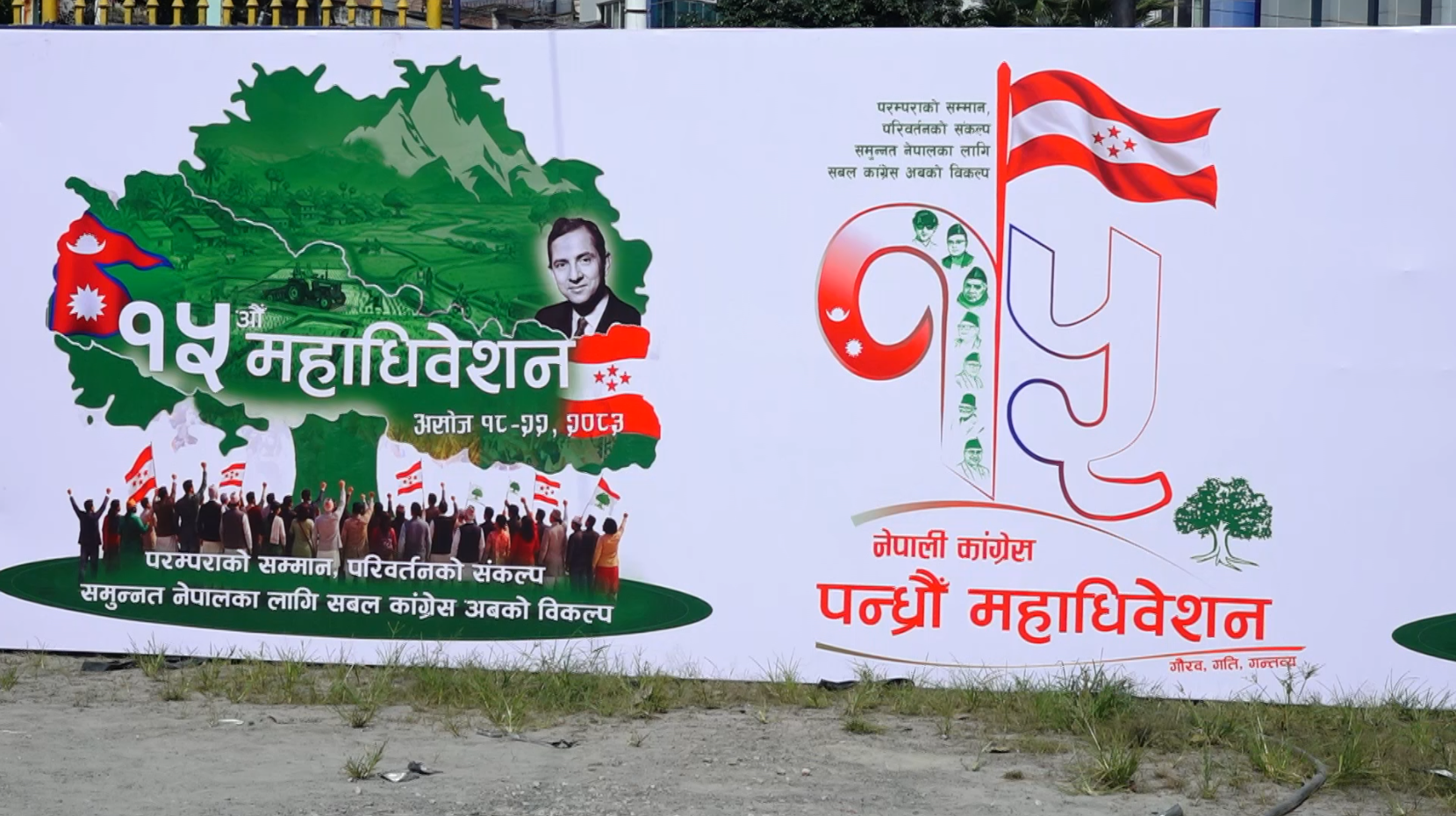
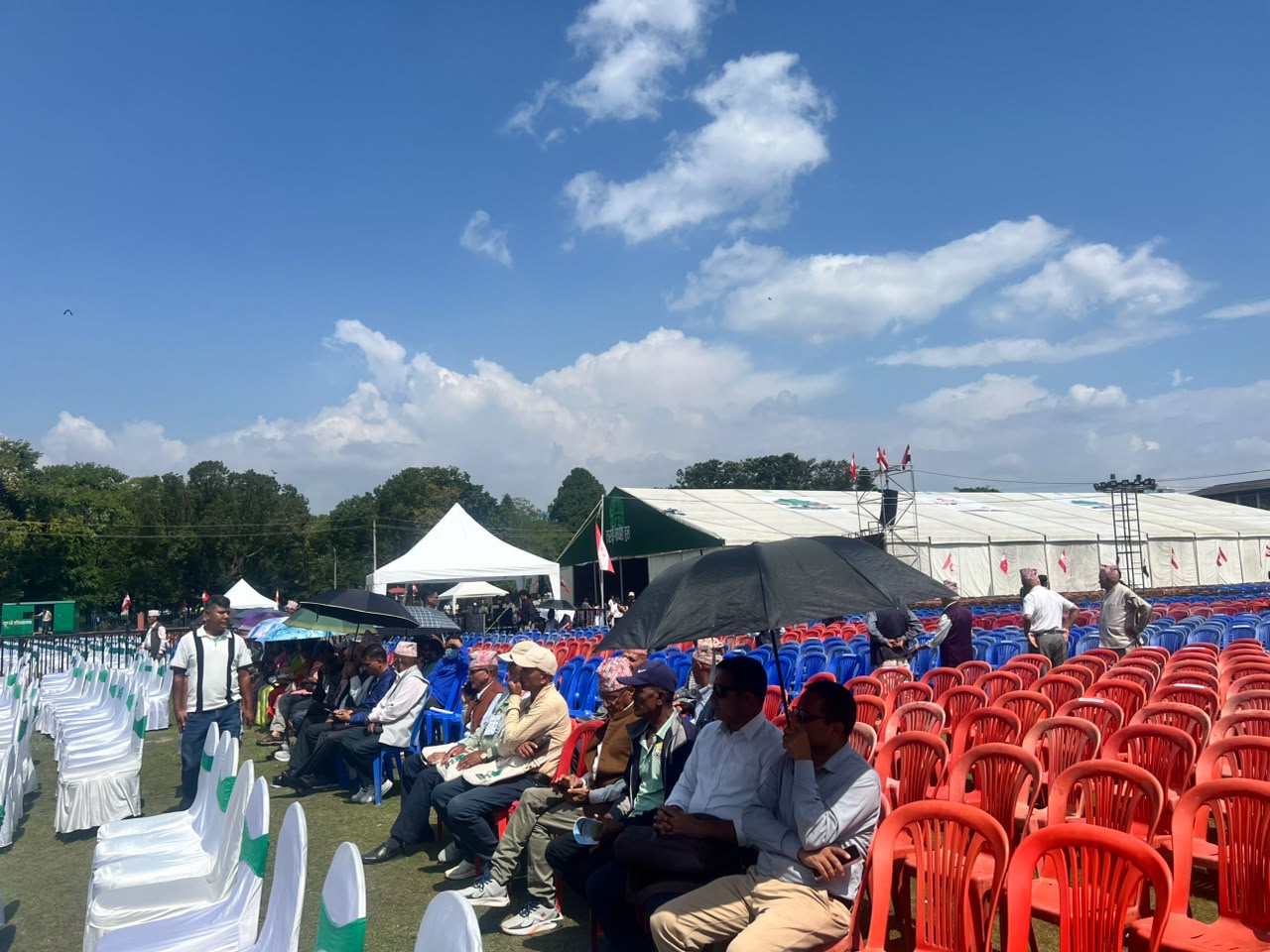
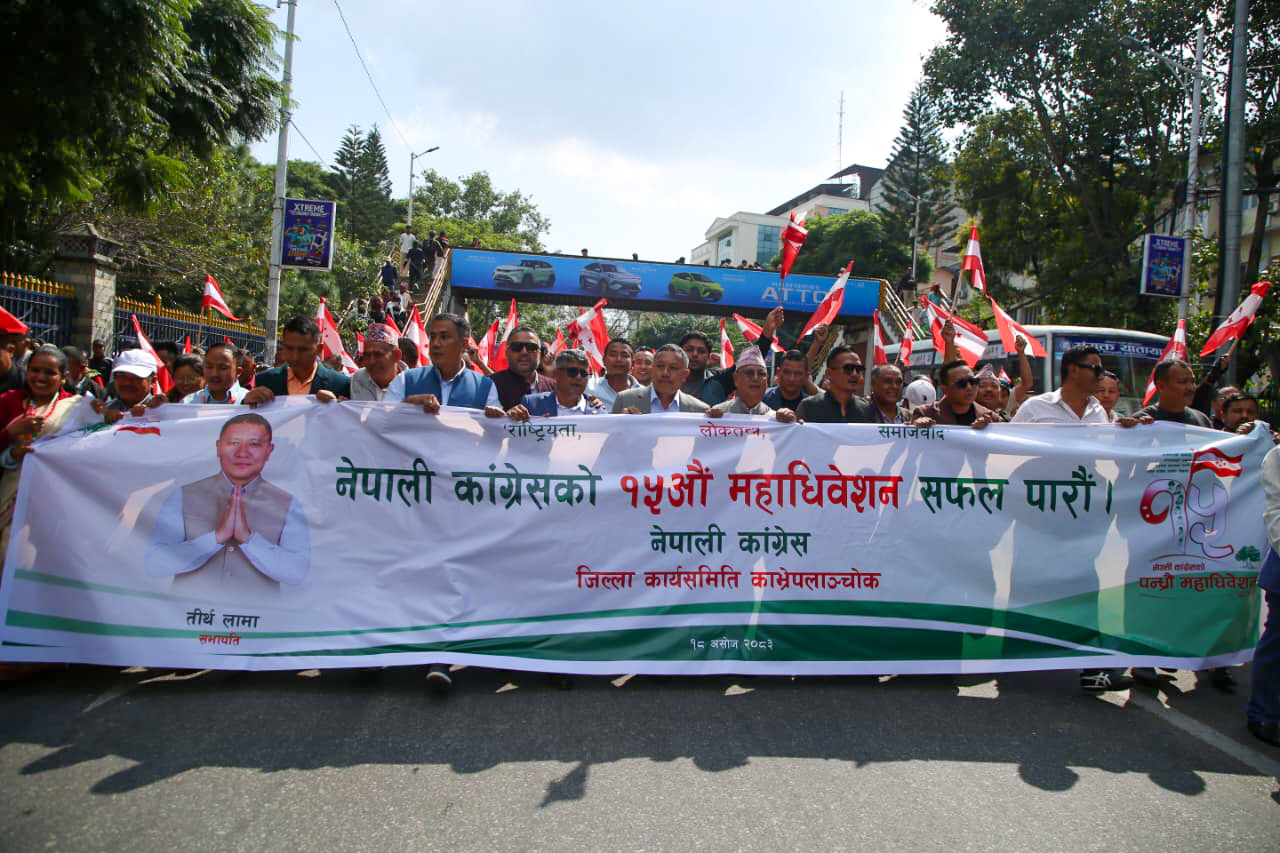
Nepali Congress is not only the oldest party in Nepal but also the largest democratic party. Continuing its democratic character, this party is organizing its 15th general convention from today. This convention to be held from October 4 to 8, 2026 at Khula Manch in Kathmandu is important in many ways. After almost a decade, Khula Manch is going to get an opportunity to become a political forum through this convention and has also got a golden opportunity to renew the history of the past. The Nepali Congress is expected to announce its new political vision from the Khula Manch which has become a direct witness to Nepal’s political history.
Continuous Unification Efforts
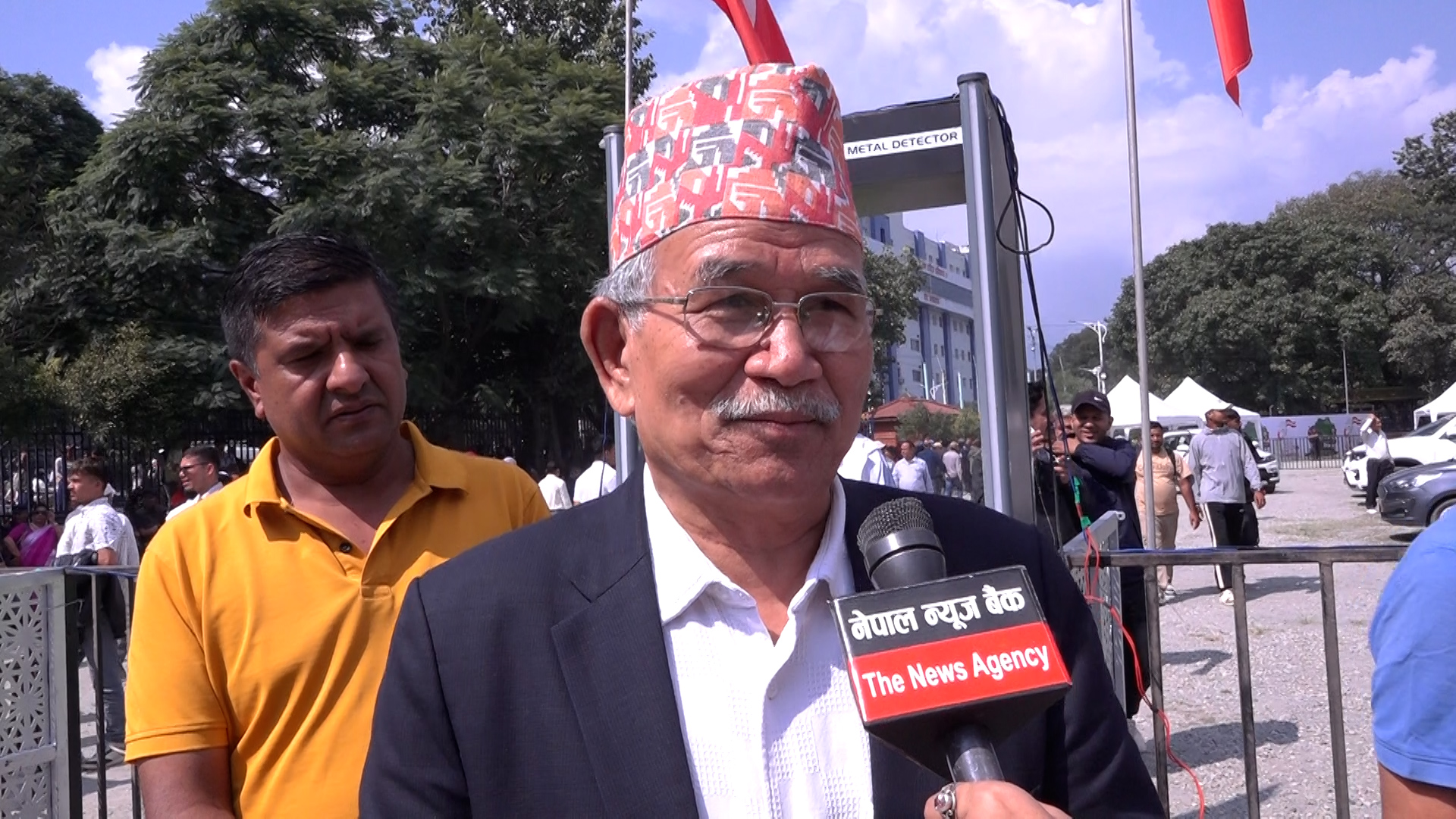
This general convention of the establishment faction of the Gagan Thapa Congress was expected to be a general convention of unity. It was expected that the Congressmen from other factions led by former President Sher Bahadur Deuba would also participate in this convention, but that situation has not been seen till the time this material is prepared and there is no immediate sign of that possibility. Although the establishment faction wants to spread the message of unity by making Deuba the chief guest, there has been no positive response from the other side till the time of preparing this material. Similarly, central member Ujjwal Prasad Baral said they wanted to make the general convention a unity convention and it was not possible so far despite the sacrifices made by the party leadership.
In the style of the establishment, the other side is also preparing to organize the convention. The other side is also holding the conventions in parallel at the local level. In any case, one thing is true that this congress could not be a unity convention. Another central member said, “But we have not lost hope. We believe that with our efforts, we can achieve success even in the last moment.” He said, “No matter what the other side says, the truth is that a large part of the Congress is here. A small part has tried to keep itself separated.
According to Baral, the success of this convention can be gauged from the largest number of delegates in its history. According to party spokesperson Devraj Chalise, more than seven thousand five hundred delegates are participating in this convention.
This is the first regular general convention after the special general convention and it is seen as a decisive forum for internal restructuring of the party, policy clarity and future political direction of the party. The general convention is expected to answer the question of how the party established on the foundation of ‘democratic socialism’ of BP Koirala would adapt itself to the changing political and social scenario.
Historical Background and Context of the Special Congress
B. S. The Nepali Congress’s general convention journey that started from Kolkata, India in 2003 has been a witness to the eight-decade-long political struggle and movement. The Congress has faced many problems at various political junctures from time to time till the general convention. The organization of the special convention twice in the history of the party can be considered as one such example.
Although the establishment faction argues that the recently concluded second special congress has laid the foundation for leadership restructuring and brainstorming within the party, the other side has not accepted this reality. This 15th general convention being held after the special general convention has institutionalized the findings of the special congress and has got the responsibility of electing a new central working committee in a legislative and people-oriented manner.
Preparation and Management of the 15th General Convention
The party has made extensive preparations to make the 15th General Convention grand and environment-friendly. The closed session will be held at the historic Khula Manch in Kathmandu on October 18 and the closed session will be held at the same place on October 1 and 20. Earlier, the schedule of organizing the general convention was made public from October 1 but later the schedule was made public from October 18. According to the schedule made public, voting for the Central Working Committee will be held on October 21 and 22. Voting centers have been set up at seven places in Kathmandu.
For this, the party has instructed not to paste pamphlets and to publicize it in an environment-friendly manner by making maximum use of technology. On this basis, it can be considered that the Congress has formally entered the digital age through this convention.
Similarly, more than 30 health workers, two ambulances and emergency coordination arrangements have been made at the convention venue with help desks, two ambulances and nearby hospitals. The health committee formed under the leadership of central member of the party, Dr. Kedarnath Singh KC, has got this important responsibility. Similarly, the Congress has formed many other committees to make the general convention a success.
The main challenge of the general convention
This convention is not only a celebration but also an opportunity to find a solution to the complex questions facing the party. Here is an attempt to clarify some aspects in a point:
Generation and Transformation: The main challenge is to connect the party with the thoughts and expectations of the younger generation (including Genji) by maintaining a balance between the old and experienced leaders and the young leadership. It is expected that 21 members of the Genji generation will be included in the central committee. At the same time, the goal is to try to transform the party in favor of the youth.
End of factionalism and internal unity: Although other factions are believed to exist under the leadership of Deuba, the aim is to discourage any kind of faction in the future. There is a need to unify and discipline the party by controlling the factionalism that has flourished during the past elections and internal contests.
Clarity of Thought and Policy: It is necessary to resolve the ideological dilemma of how to coordinate between B. P. Koirala’s ‘democratic socialism’ and contemporary ‘social democracy’ or market economy. It is also necessary to explain democracy and socialism to today’s young generation. It would not be wrong to expect this general convention to formulate the necessary strategy in that direction.
Renaissance of Public Trust: According to Nayan Singh Mahar, a central member of the party, the Congress had got an average of 30 lakh votes in the last parliamentary election, but in the parliamentary elections of February, it was less than about 11 lakh votes. This means that the trust in the party and the people’s base has decreased and it should be reversed. According to Mahar, this convention will be important in that direction. Baral said that there is a challenge to win back the lost trust of the common people by taking a clear stand on issues of public concern such as good governance, corruption control and employment generation and the general convention will decide the necessary strategy in this direction.
Possible Results and Messages of the Congress
It is not irrelevant to expect that the results of the 15th Congress will have a far-reaching impact not only on the internal life of the Congress but also on the overall politics of the country. The most important thing that can be expected from this convention is that it will be held in the presence of a different political environment of the country, the swollen public opinion in favor of the Congress, the background of the Jenji movement, and the public confidence of about two-thirds of the people in the new political force through parliamentary elections. This is the matter of waiting at the national and international level.
The 15th general convention of the Nepali Congress is not only the election process to elect a new leadership, but it is also an important turning point to move forward on the path of transformation while preserving the historical legacy of the party. The general cadres and well-wishers wish that this democratic exercise, which started from the Khula Manch, should strengthen the internal democracy within the party and inspire the country to move towards good governance, prosperity and political stability.
The author is the Chief Editorial Advisor of Nepal News Bank. )

 प्रतिक्रिया दिनुहोस्