

One Year of the Jenji Movement: What has changed in the eyes of the party’s young leaders?
Manisha Basnet, Nepal News Bank
Kathmandu. The Genji generation, which took to the streets a year ago, did not just demand a change of government. Their dissatisfaction was on issues such as disillusionment with the system, distrust of the political leadership, corruption, nepotism, lack of opportunities and uncertainty about the future.
The anger of the Genji generation was spilled out on the streets, the movement intensified. Many people lost their lives. There was a lot of damage to the structure of the state and private property. Then the old equation of politics was shaken and the new force took over the leadership of the government.
But after a year, the question has come to the same place – are there signs of change that Jenji is looking for? The young leaders of the old political parties cannot answer this in one word.
In their view, the movement has raised political consciousness, challenged the old leadership and brought the debate of generational change to the forefront. But the main questions raised by the movement have not yet been resolved.
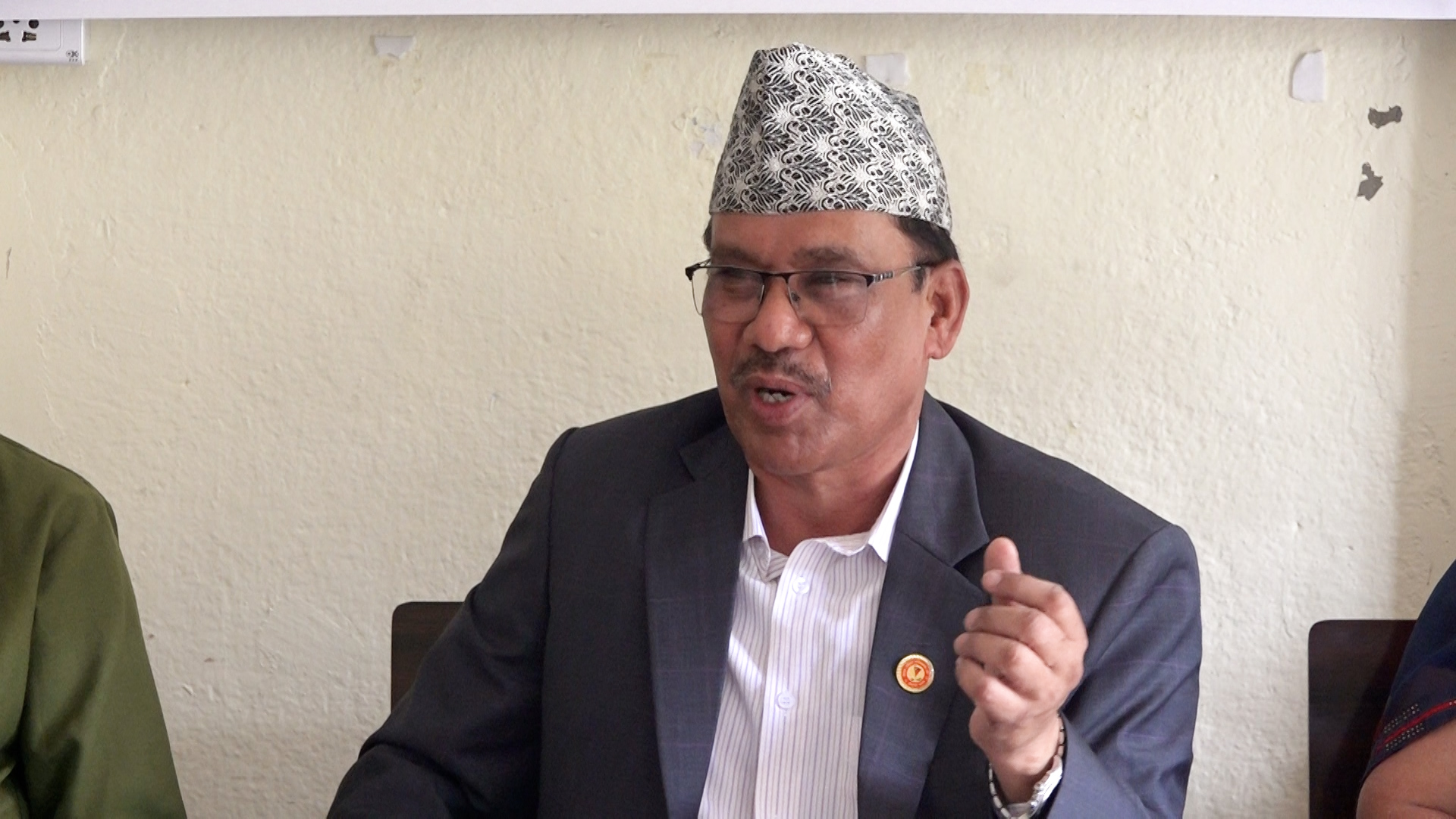
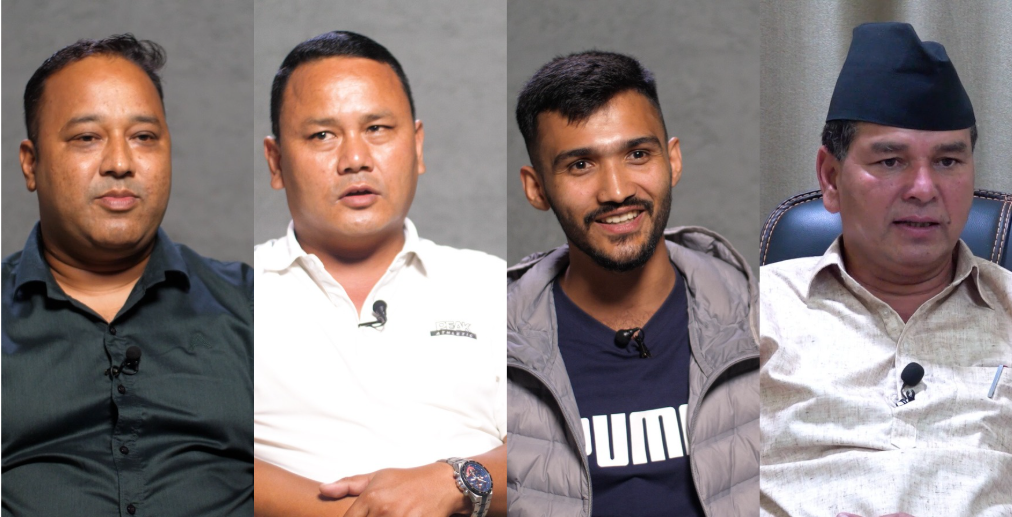
According to CPN-UML youth leader Pemba Gurung, the Jenji movement does not mean just the formation of a new government. He sees the present government as a government that has come by questioning the shortcomings of the previous political parties and the government.
Therefore, he believes that the people’s expectations on the current government are also in the same proportion.
He said, “The new government has been formed on the basis of past shortcomings.
Therefore, we should learn from the shortcomings of the past and work well in the daily life of the people. In the five-year term, not even a year has passed. But this sign is not looking good as ‘Morning Shows the Day’ said. For the Gurungs, the evaluation of the government should not be by speeches or political slogans, but by the changes in the daily lives of the citizens.
Leadership changed, thinking did not change
The Genji movement forced even the old parties to think about their political style and leadership.
According to Mahesh Shrestha, a student leader of the Communist Party of Nepal, the main objective of the movement was not just to remove the old leadership and bring in new faces. Good governance and anti-corruption were the main agendas of the movement. But after a year, these issues are still not addressed.
‘In this one year, what the Genji movement wanted has not been fulfilled. The objective of the Genji movement was not just a change of leadership. The main agenda was to maintain good governance and eliminate corruption. We have not been able to reach that agenda. “
Another big question in Shrestha’s view is related to the future of the youth. Employment and migration abroad were also at the center of the debate during the movement. But he said that the situation did not improve as expected.
“We have not been able to maintain employment in terms of employment. Day by day, the youth are migrating to foreign employment. The government is not able to make plans for this right now,” he said. This is why the change that has come after the Jenji movement is incomplete for him.
Generational Transition Within the Old Party
But the impact of the movement has not only been excluded. It has also reached the organization of the old political parties. Shrestha says that there is an environment to increase the representation of the youth, question the old leadership and take forward the debate of leadership transfer. But he also admits that age alone cannot be the basis for leadership change.
He said, “What we are saying now is that the current main leadership should be respectfully bid farewell to the party’s national congress and now the youth leadership should be introduced.” However, when it comes to changing leadership, there is not only the age factor, but also the factor of thinking and the ability to lead.
This takes the generational debate raised by the Genji movement to another question: is it enough to be young or does it take experience, perspective and willpower to be a capable leader?
In Shrestha’s experience, some leaders of the new generation have reached the position of taking up the main responsibility of politics, but there is no preparation and experience to do so.
He said, “They came into politics at the same time, won elections, became ministers, became MPs. They do not even have the experience of what to do for the people. Secondly, they do not have the will to do it.” Prakash Rasaili, a youth leader of the Nepali Congress, says that the Jenji movement should be seen from two different perspectives. According to him, on the first day of the movement, the youths lost their lives due to the weakness of the state, while on the second day, the movement became violent and destructive.
He said, “The Jenji movement should be closely observed from two sides — the Jenji movement of the 23rd and the Jenji movement of the 24rd. On the 23rd, many youths were brutally killed. But on the 24th, from Singha Durbar to the Pashupatinath temple, the Supreme Court, business establishments and national property were burnt. But he is not in favor of rejecting the issues raised by the movement. He believes that the growing public anger against political parties and leaders for a long time is one of the bases of the movement.
“The Nepali people were fed up with the situation where Nepal’s political parties would do anything for power, compromise until different perspectives and principles were found in the elections, and compromise with others for power again after the elections. That led to the Jenji movement,” he said.
The Genji movement was not a discontent born in one day on the streets. Behind it was the long-standing despair.
Rasaili also accused the new political force that came to power by taking ownership of the Genji movement and failed to meet the expectations of the people.
According to him, the government has been weak from good governance to public service delivery.
“The state is not able to respect the sentiments of the Jenji movement now. It is not able to work not only among the people but also according to the sentiments of the people. The government is on the path of complete failure,” he said.
He has also questioned the immaturity seen in the new leadership.
He said, “Yesterday’s parties had weaknesses, but the movement took place due to weaknesses. There was no doubt about owning and supporting that movement. But there was a greater immaturity in this government than in yesterday’s government. It took 35 years for the old leaders to fall, their immaturity was seen in 35 days. ‘
‘Only people have changed’
Atal Sharma, a young Maoist leader and activist of the Genji movement, looks at the movement from a wider angle.
For him, the Genji movement was the result of the failure of the old political system. He believes that the anger accumulated against corruption, irregularities, nepotism and misgovernance has taken the form of a movement.
He said, “The Genji movement was like a failure of an old mechanism. It had created a heap of garbage like corruption, irregularities, evil practices, nepotism. People expressed anger against it from their respective places and it reached the regime change. “
But after the movement, the system did not change as expected, says Sharma.
In his view, replacing one government with another is not just change. The mere removal of one leader from the election is not a change.
“The old mechanism that we wanted was not solved, a new mechanism should be created, a lot of things have to be changed in the system. Without that, only the people have changed. Some young people have come, but our mechanism is all the same,” he said.
But after a year, not everything is disappointing. Sharma says that the Jenji movement has increased political awareness among the youth. He believes that the important achievement of the movement is to question the culture of controlling politics with one generation and one face for a long time.
He said, “The youth have become very aware of politics. This is a very positive thing after the Genji movement. The psychology has been created that not only people who have ruled for 35 years will remain in politics, but new people can also come. “
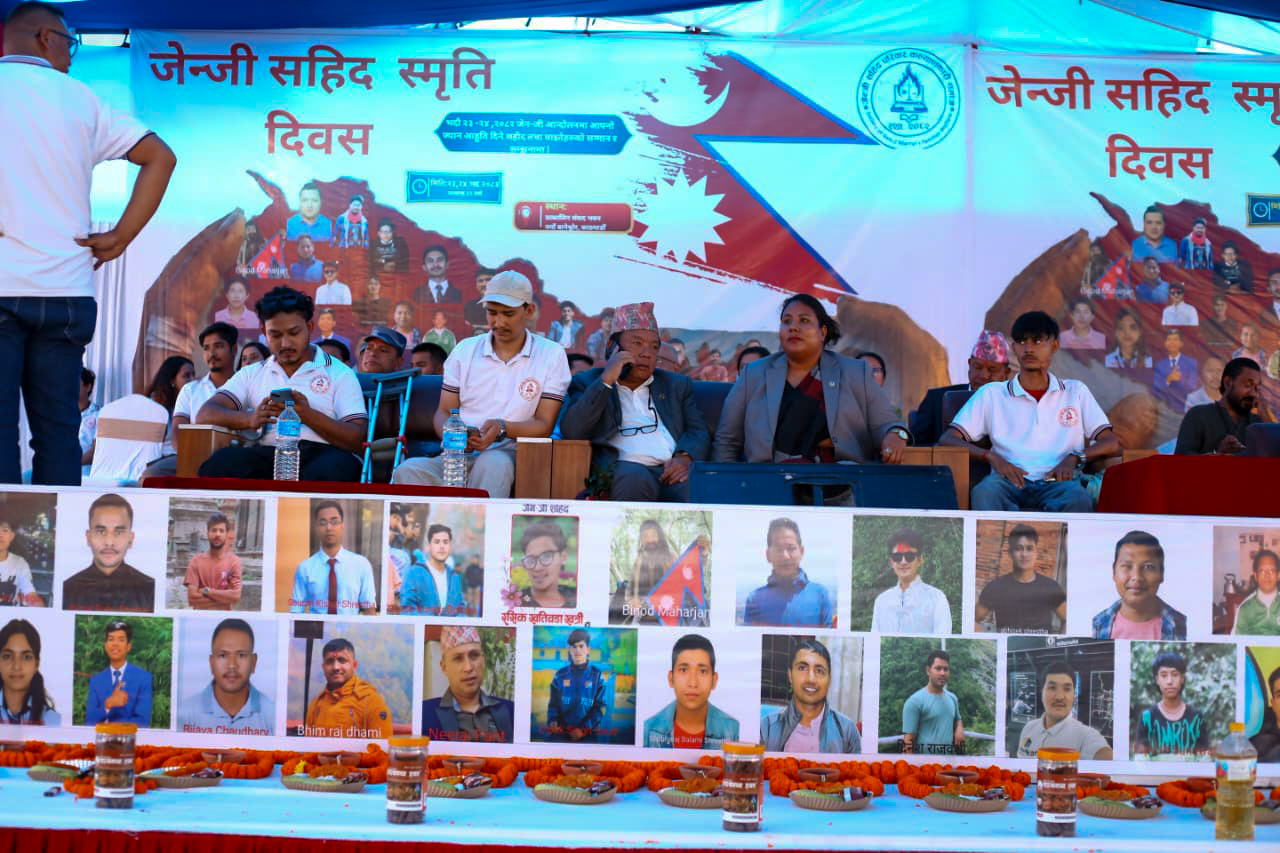
The youths who lost their lives during the movement, the civilians who were injured and the structures that were burnt down are reminding us of the value of the movement.
For Sharma, this is why a rigorous review is needed, not just an emotional recollection of the movement a year later.
‘We saw 76 of our friends fall. A lot of structures were damaged, property worth billions was burnt. There was nothing that should have happened now. There was nothing but a change of people. So today, in one year, we have to review it,” he said.
Looking back at the Genji movement a year later, there is a paradox. The movement challenged the old political leadership. It gave opportunities to new faces. It made the youth more aware of politics, but the question of good governance, employment, accountability and systemic reforms that the citizens are looking for still remains.
According to Jenji activist Sharma, one year of the Jenji movement is not enough just to make it an anniversary of the change of government. Rather, it is time to return to the questions raised by that generation on the streets.
The people who participated in the Genji movement are not completely satisfied with the movement. They are holding various discussions to fulfill the goal of the movement rather than remaining silent.
In this way, there is a common question in the evaluation of the young leaders of the old parties after the Jenji movement: How much has the system and the style of governance changed even though the people have changed?
Although the youth leaders of the CPN-UML, NC, CPN (Maoist) and CPN (Maoist Centre) have different views, questions about good governance, employment of youths, generational transition in political leadership and effective mobilization of the state machinery seem to be the same.



 प्रतिक्रिया दिनुहोस्