

About 20 helicopter flights in flood-affected areas, adverse weather and severe geographical challenges
Kathmandu. The Nepal Army and various international teams have been carrying out extensive humanitarian assistance and disaster relief (HADR) operations in the flood-affected Rasuwa and Nuwakot areas.
The Nepal Army’
s military engineering team is constructing a rope bridge over the flooded Tadi River.
Bridges are being constructed to reconnect the areas that have been cut off from the national road network.
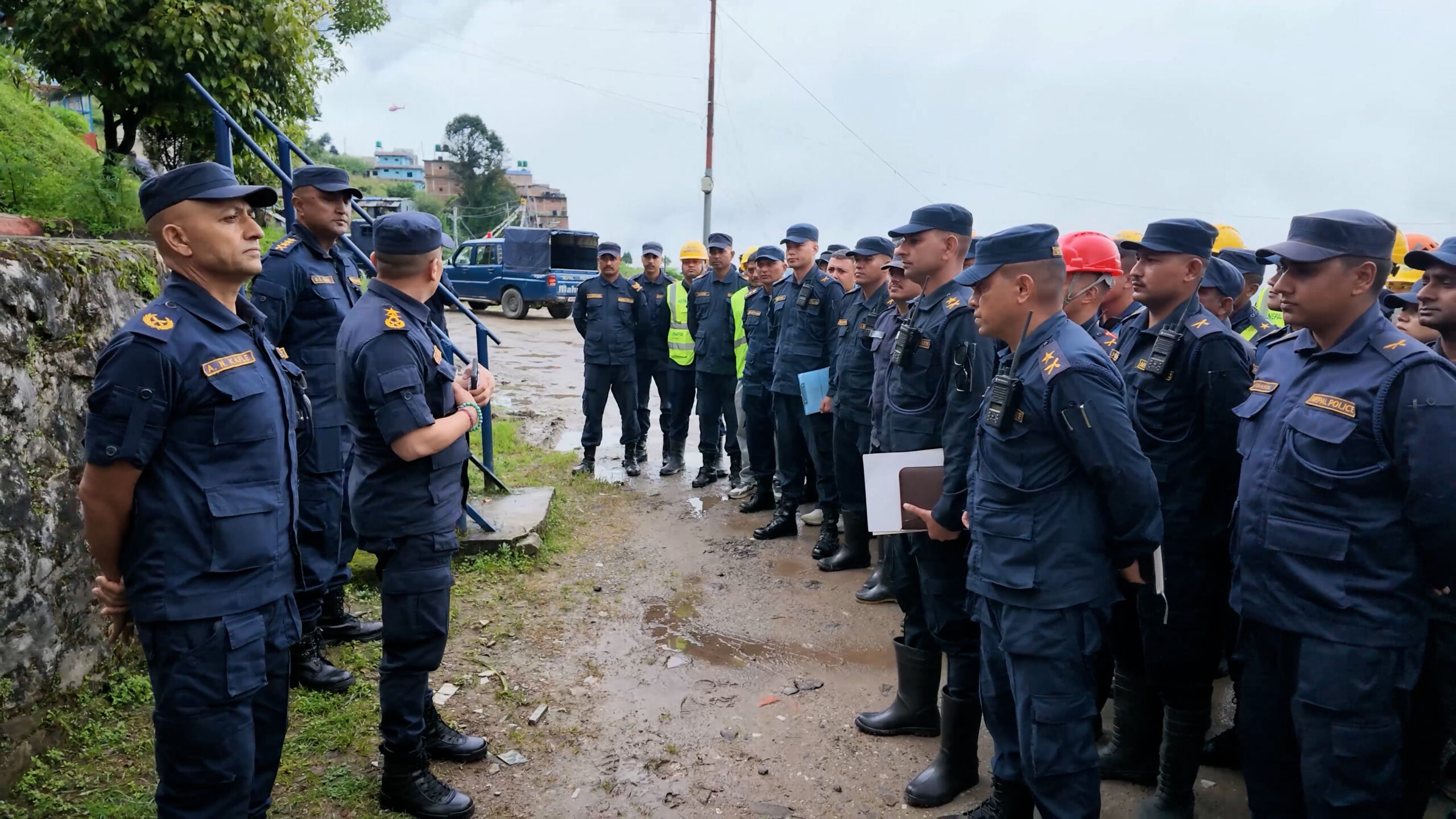
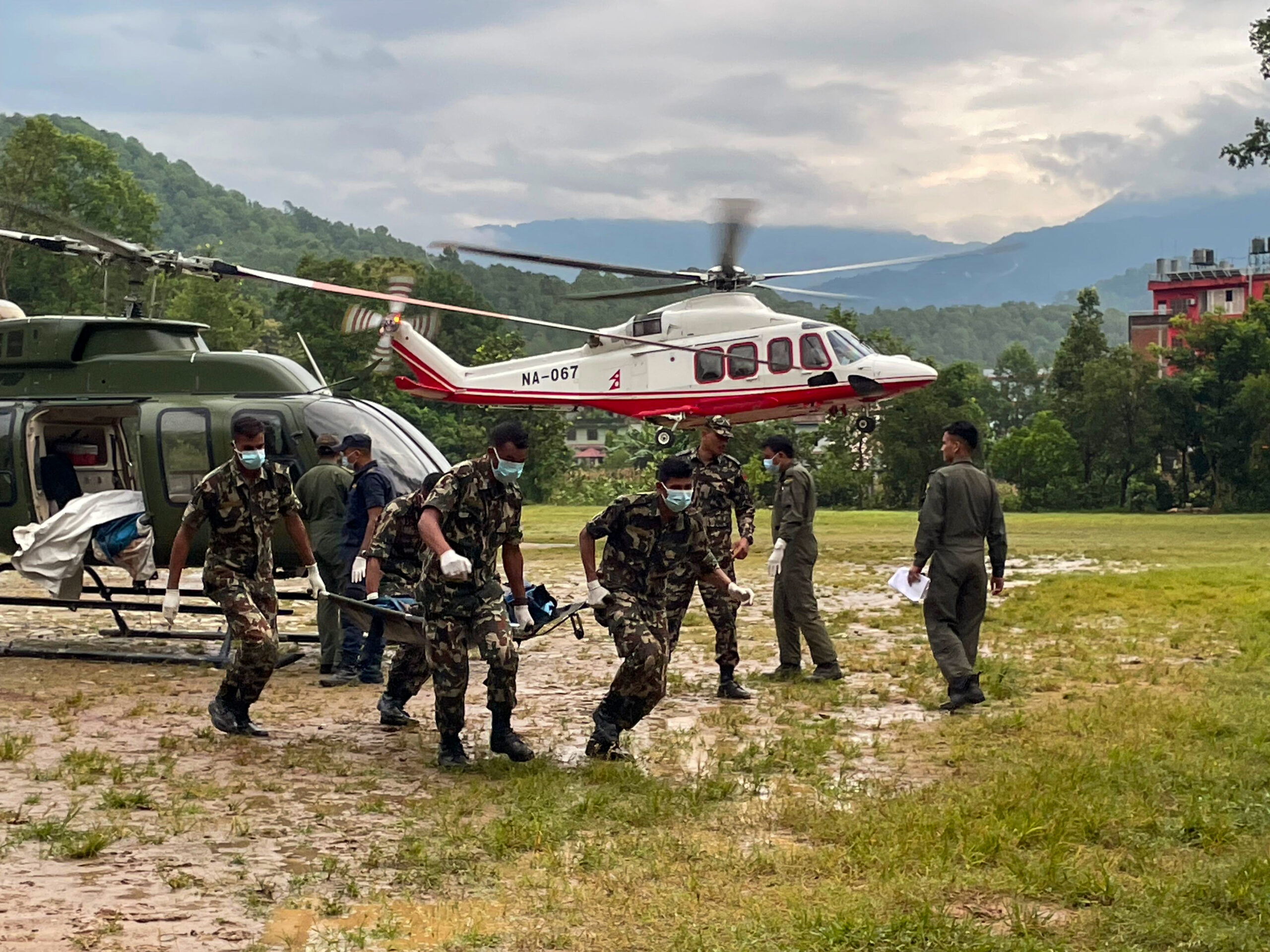
Along with this, air rescue and relief operations are also operating round the clock to deliver relief materials to the affected areas and to rescue the stranded people amidst adverse weather. The Nepal Army (NA) has intensified rescue and relief operations in Nepal. In another post on ‘
X’, the Nepal Army said that around 20 helicopters have been mobilized for search, rescue and relief distribution in the highly affected areas of Nuwakot and Rasuwa districts in coordination with other agencies.
Despite adverse weather, remote mountainous terrain and lack of helipads, the air team is carrying out rescue and relief operations.
Footage released by the army shows helicopters operating in dangerous conditions through narrow mountain gorges to reach the displaced families.
The Nepal Police has also released information about the developments after the Bhotekoshi floods through ‘X’. The death toll in the disaster has reached 1,344, police said.
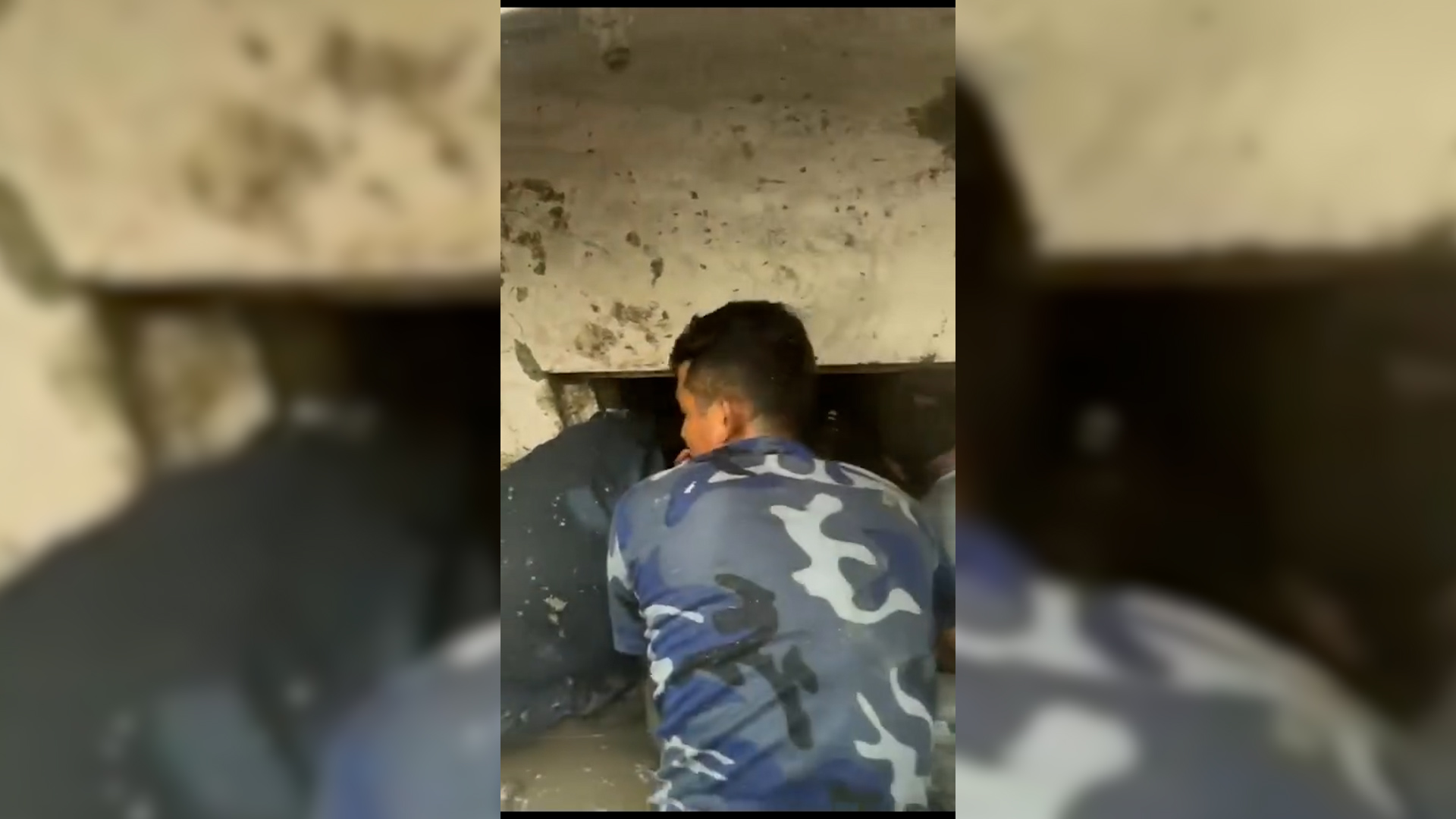
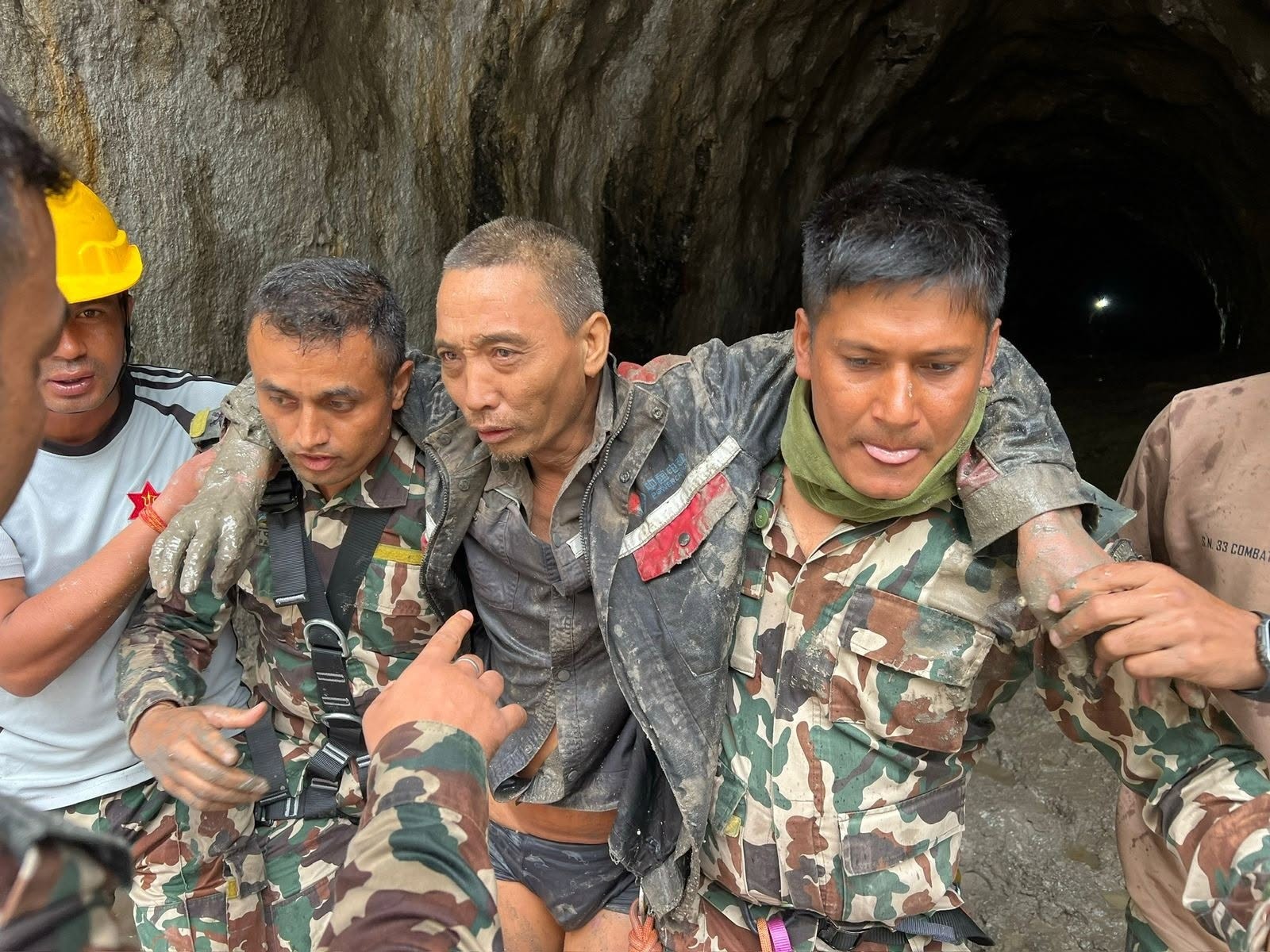
Meanwhile, India has been continuously supporting the ongoing Humanitarian Assistance and Disaster Relief (HADR) campaign in Nepal. The Indian tunnel rescue team has coordinated with the Nepal Army to extract the water collected inside the tunnel and dig deeper into the tunnel to advance the rescue and relief work being carried out in the Chilime tunnel following the massive floods and landslides in Rasuwa district. This
joint effort further strengthens cross-border disaster response as well as technical cooperation between Indian technical experts and Nepali security agencies.
Indian Ambassador to Nepal Navin Srivastava posted on X and said that India is committed to provide technical expertise on the spot and provide humanitarian assistance to the surrounding communities.
After the expert team successfully removed the stagnant water inside the tunnel, it has become easier for the workers to dig deeper and secure the risky part. The engineering team is also constructing a temporary access road to transport heavy machines and high-capacity equipment to the mouth of the tunnel.
The health workers who accompanied the Indian team along with the technical rescue and construction work have also set up a health camp for the locals. The health check-up of the locals has been done in the camp and necessary health materials have also been distributed.

 प्रतिक्रिया दिनुहोस्