


Tiger sanctuary to be built on 50 hectares of land to manage human-tiger conflict
Kathmandu. With the increase in human-tiger conflict, the government has started the process of constructing a tiger sanctuary on at least 50 hectares of land for the long-term management of the problematic tiger. For this, the National Trust for Nature Conservation (NTNC) has signed a memorandum of understanding with the US-based organization The Wild Animal Sanctuary (TWAS).
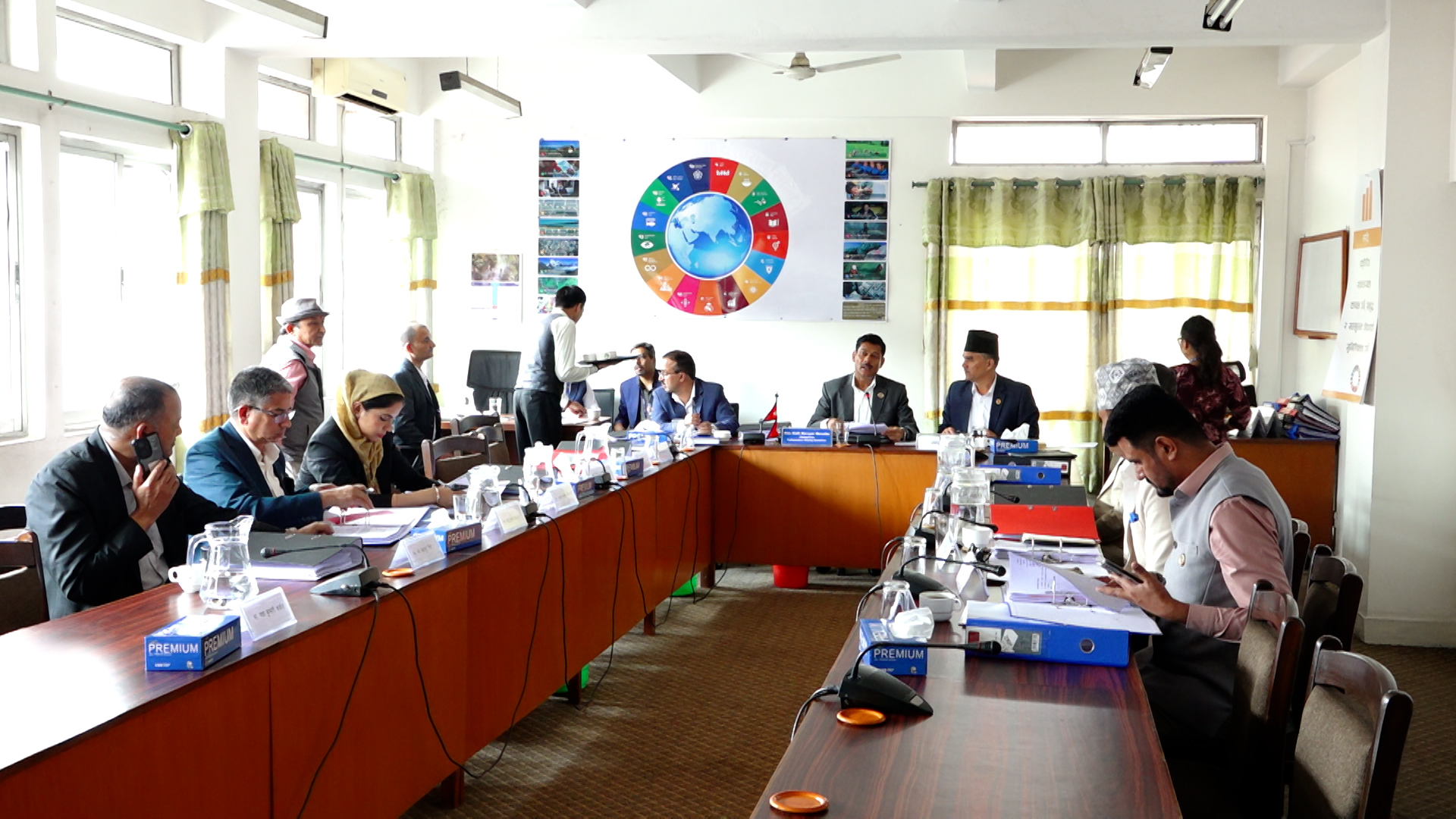
The international partnership has been initiated to implement the project which is a priority of Minister for Agriculture, Forest and Environment and NTNC Chairman Geeta Chaudhary. The MoU was signed by the Member-Secretary of the Fund, Dr.
Dr. Chiranjeevi Prasad Pokharel and Executive Director of TWAS Pat Craig signed the agreement.
With the increase in the number of tigers in Nepal, the management of the problematic tigers that enter human settlements and cause human damage is becoming challenging. Such tigers, which have been captured from their natural habitat, are currently kept in various narrow cages. A separate sanctuary is being constructed for their long-term care, safe habitat and scientific management.
As per the agreement, TWAS will use its 46 years of experience and expertise to mobilize the necessary financial and technical resources for the construction of Sanctuary’s physical infrastructure, natural habitat design, veterinary clinic and fencing. The ownership of the land to be made available for Sanctuary will remain with the Government of Nepal or NTNC.
The proposed sanctuary will be developed as a lifelong safe habitat for the troubled tiger. It is also planned to be operated as a center for public awareness and education on wildlife conservation.
According to the agreement, tigers kept in sanctuaries will not be allowed to be used for commercial recreation, photo sessions, sports or breeding purposes. This is expected to help in the safe management of the problematic tiger, reduce human-wildlife conflict and contribute to the conservation of tigers.
However, the detailed outline of the selection of a suitable site, construction cost, resource mobilization timeline and operational management for the construction of the sanctuary has not been disclosed in the public statement.
The effectiveness of the project will depend on its implementation, long-term financial management and scientific care of the endangered tiger.

 प्रतिक्रिया दिनुहोस्