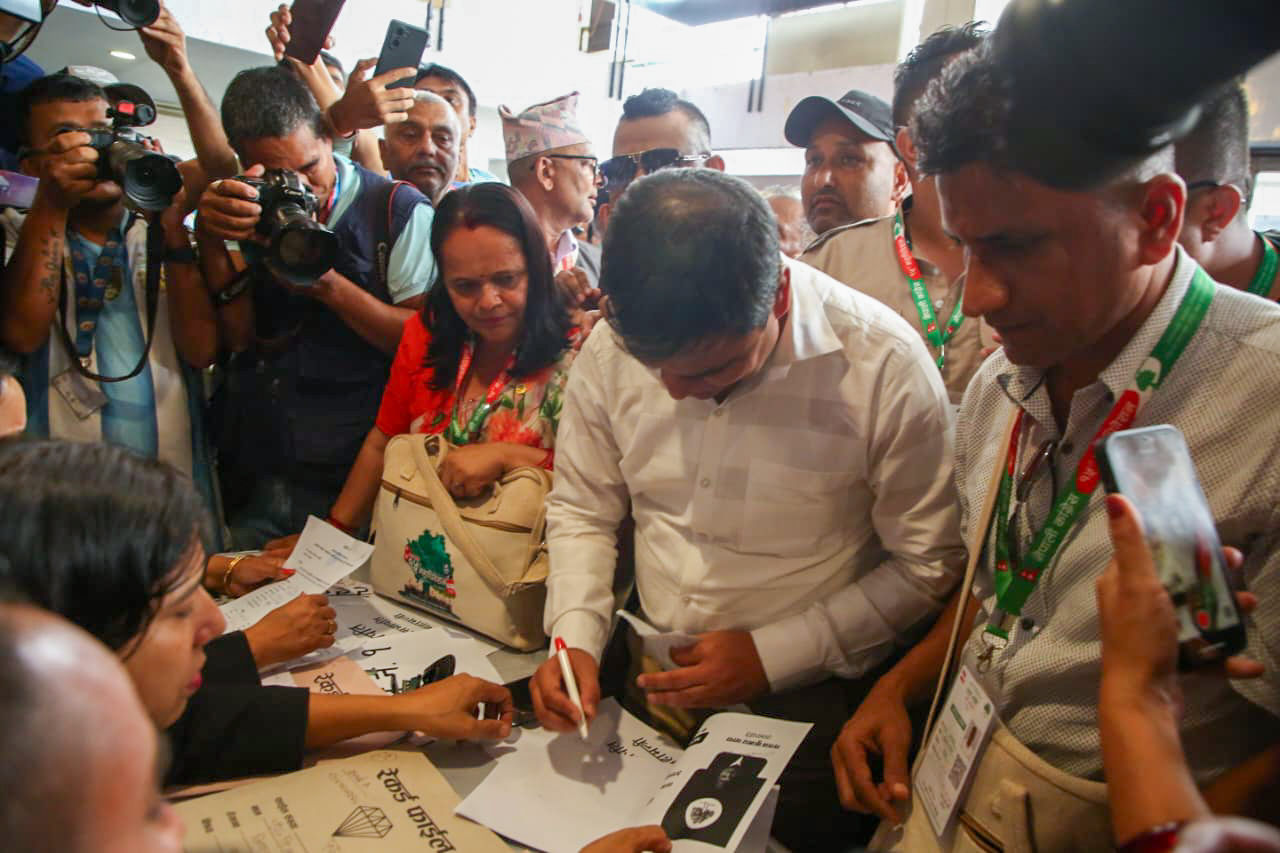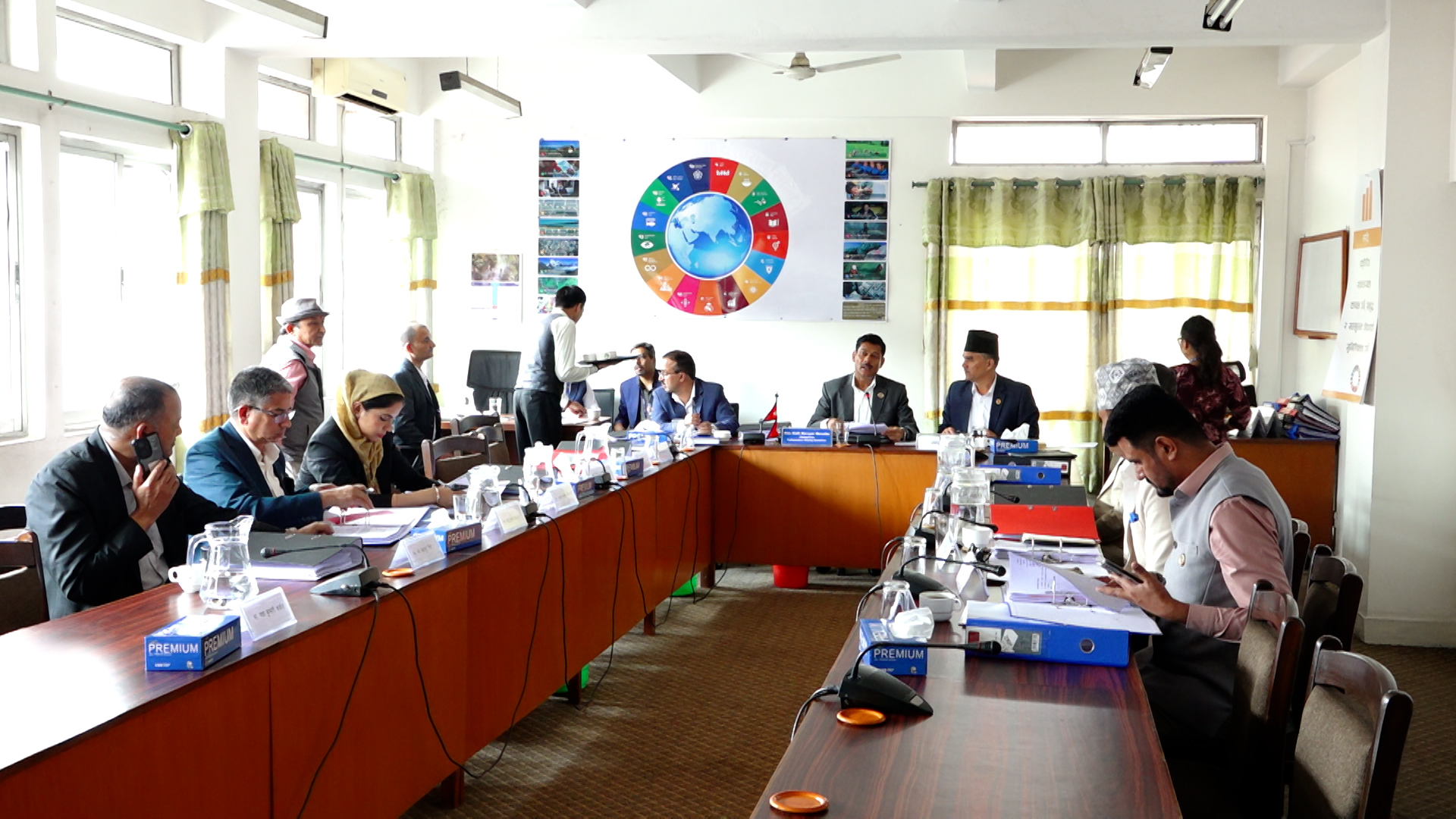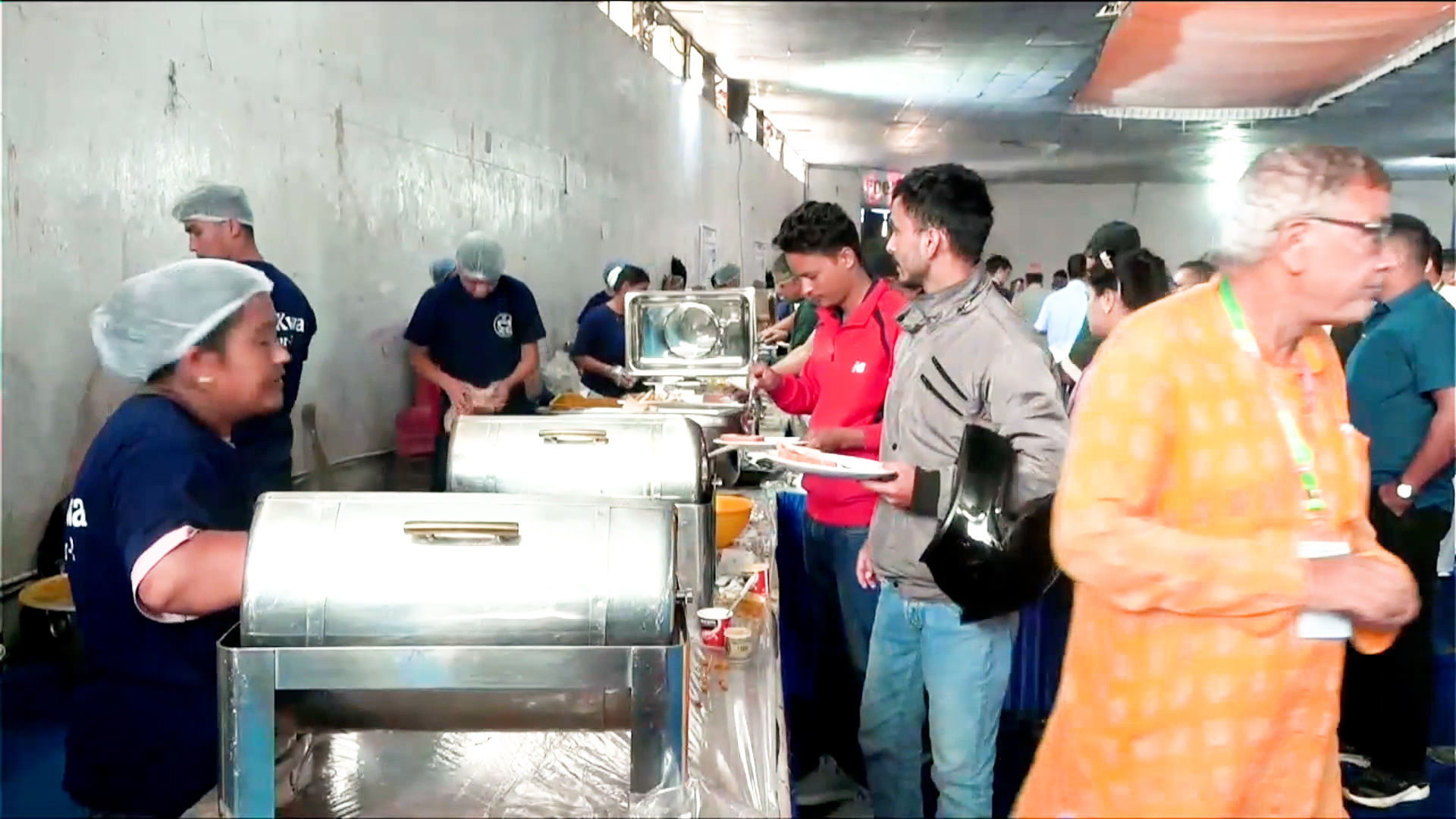


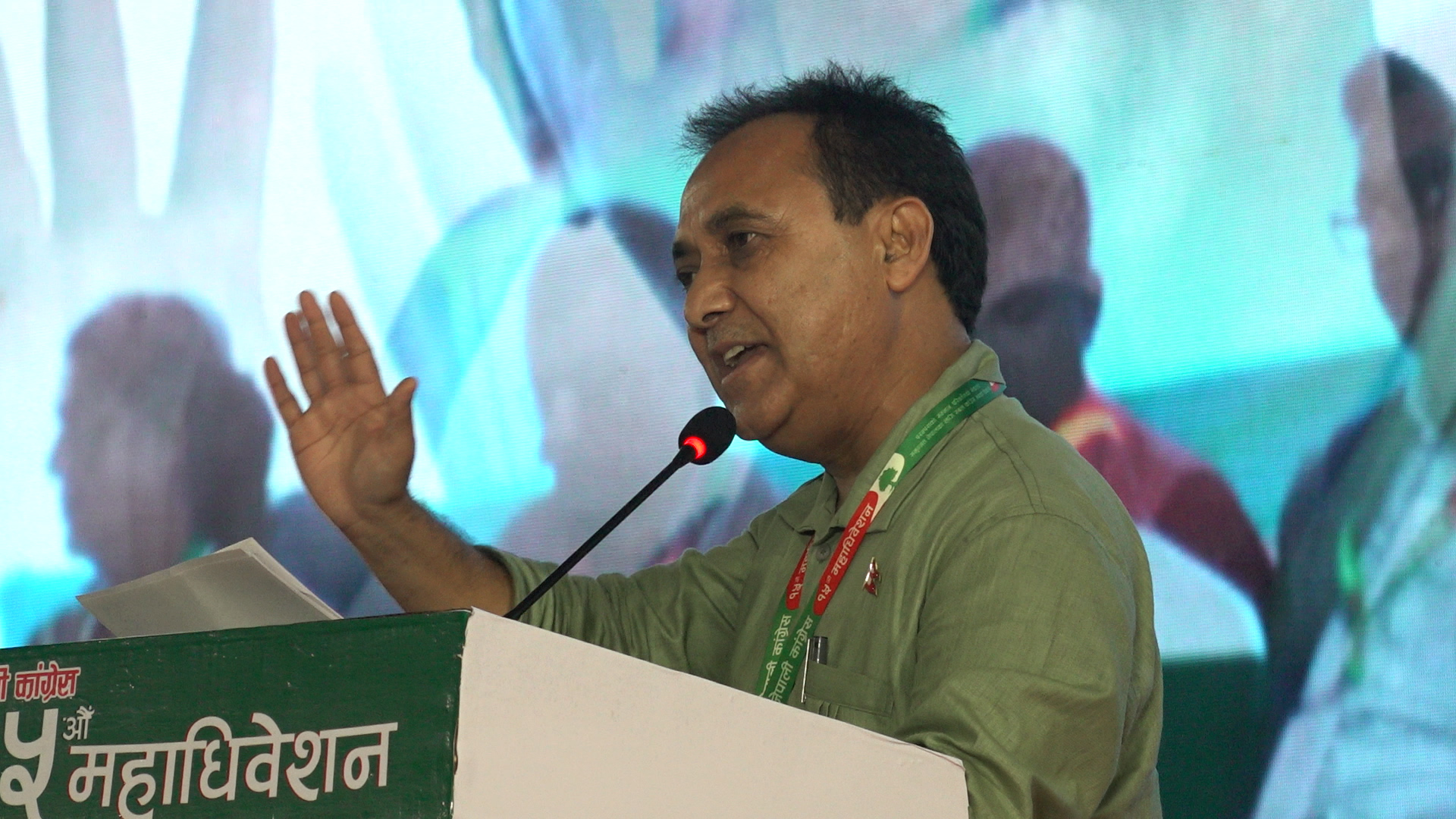
Kathmandu. The Nepali Congress has proposed to hold regular policy discussions on the economy, employment, agriculture, technology and infrastructure among others and incorporate the suggestions received from them in the party’s policy.
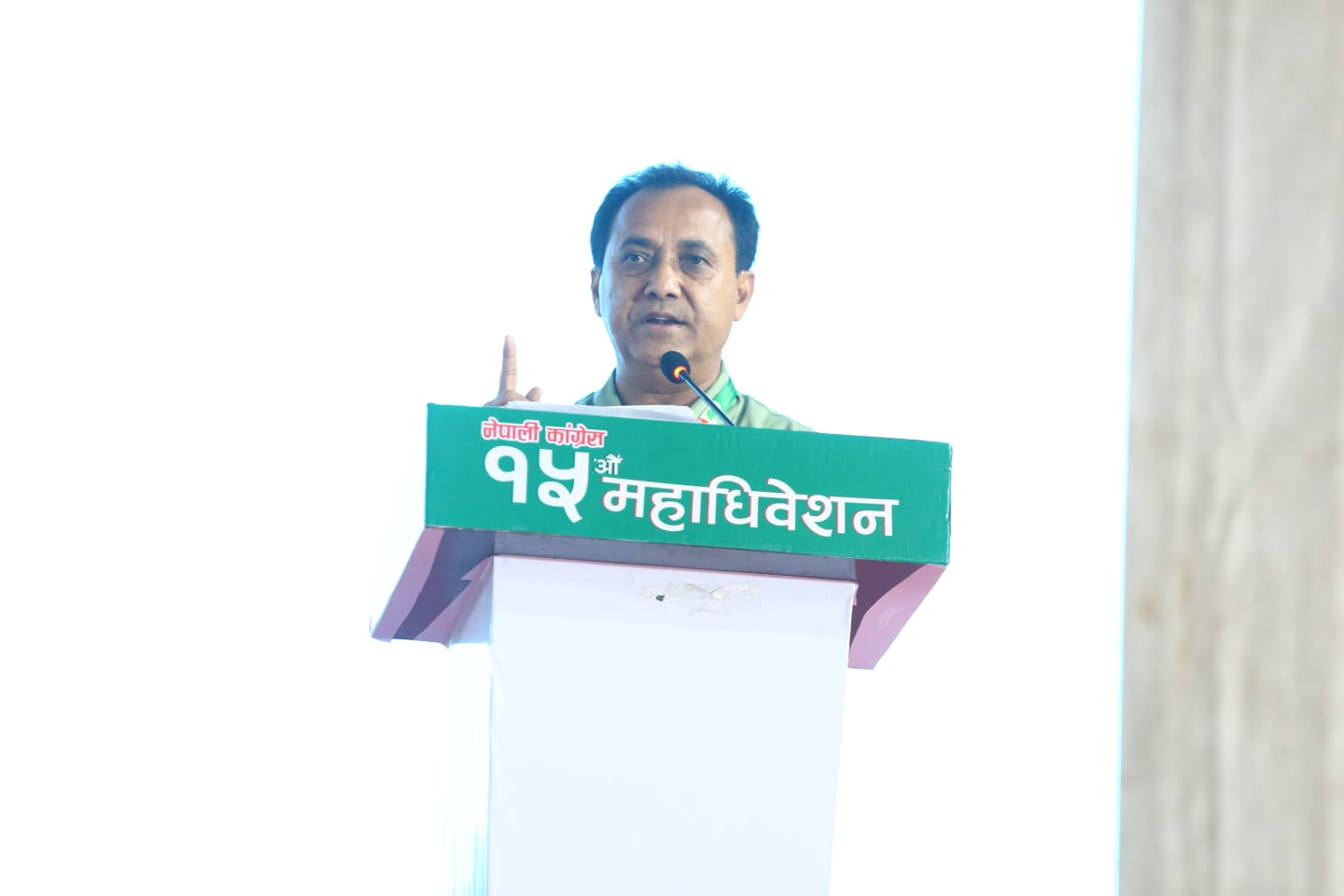
The political report presented by Nepali Congress Vice-President Bishwa Prakash Sharma in the closed session of the 15th General Convention, states that the economic policy would be made timely and the policy discussions would be institutionalized for the development of productive economy.
The report has proposed to conduct regular debates on the economy, education, health, employment, agriculture, technology, infrastructure, climate and social justice through the party’s policy foundation. The report states that the party will accept the ideas received from such debates.
The Congress has stressed that politics should not be limited only to the competition for post and power but should move towards winning the trust of the citizens. For this, it has been proposed to change the style of the party’s leadership and organization, to make the people holding public office responsible and to regularly review the implementation of the promises made public during the elections.
The report states that a system will be developed to link the election manifesto with the performance of the people’s representatives and to make the performance details public within a certain period. It aims to make the political parties and people’s representatives accountable to their economic and development commitments.
The report also proposes to take initiatives to create a clear legal framework to manage conflicts that may arise between public offices and private business interests. The issue of implementing criteria such as integrity value in political appointments while in government has also been put forward.
The report refutes the narrative that there has been no progress in Nepal in the last 35 years and gives an example of the increase in power generation capacity after the policy of involving the private sector in power generation. According to the report, the power generation capacity has increased from 277 MW to 3,500 MW at the end of the Panchayat era. The report also claims that Nepal made a net profit of Rs 18 billion from electricity trade in the last fiscal year.
The Congress has said that along with the change of leadership for political stability and economic prosperity, there is a need to improve the leadership culture, institutional capacity and accountability. The report has also expressed the commitment to make the trust of the citizens the main criterion of political success.

 प्रतिक्रिया दिनुहोस्