

Bar dissatisfied with the appointment of judges, accuses the government of making the judiciary a puppet
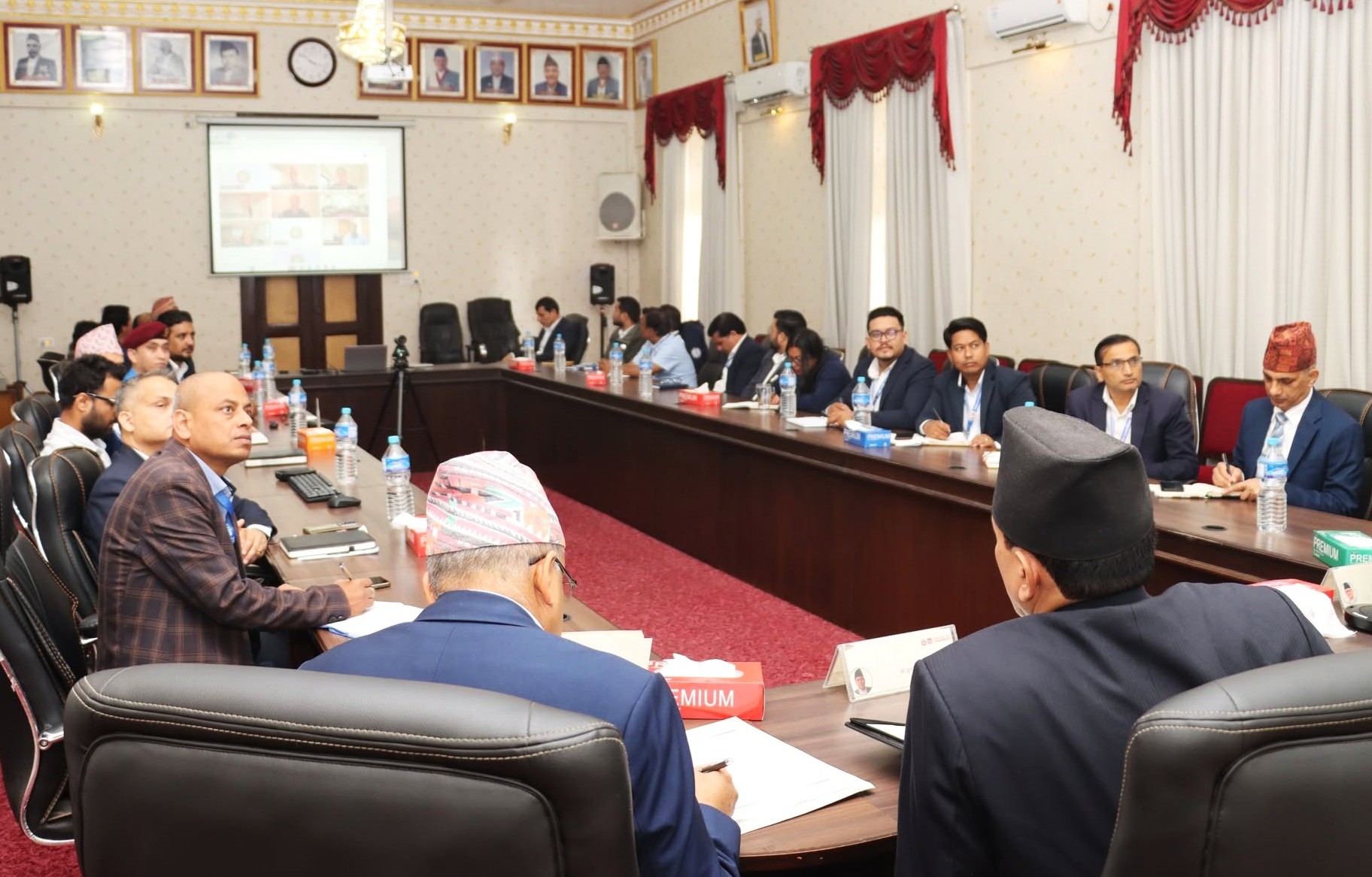
Kathmandu. The Nepal Bar Association has expressed dissatisfaction over the appointment of judges of the Supreme Court by the Judicial Council.
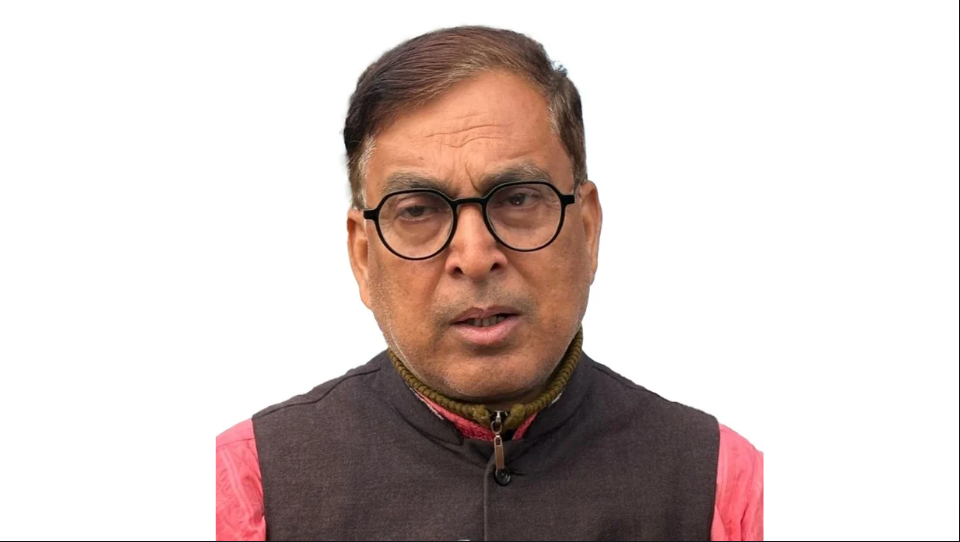
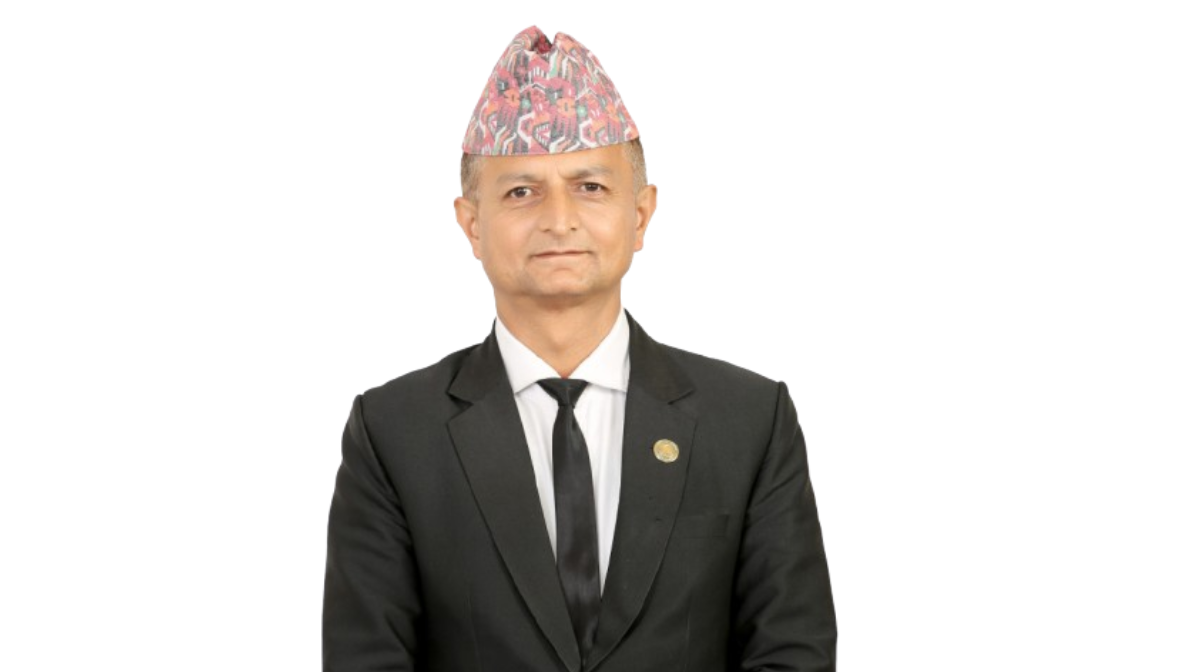
Nepal Bar Association President Bijay Prasad Mishra expressed his displeasure over the Judicial Council’s failure to include the Bar and private sector lawyers in the list of Supreme Court Justices. Earlier, the Council had recommended Chief Justices of Pokhara High Court, Ratna Bahadur Bagchand, Chandra Bahadur Saru, Janak Pandey and Gokarna Dangi as justices of the Supreme Court. Talking to Nepal News Bank, Mishra said that the representation of lawyers, women and Madhesi community has not been taken into consideration in the recommendation.
“We are dissatisfied that the Bar Association has been minimized, private lawyers have not been included and women have not been included,” said Mishra. “
Mishra said that the government has said that the government will appoint judges on the basis of merit, but the old government system has been adopted on the recommendation. He claimed that the order of seniority and seniority has not been given enough attention and said that arbitrariness can increase in the judiciary.
He said, “The government has adopted the old government method of doing it on merit-based. Cranes have also been installed in the seniority and seniority order. Arbitrariness has been encouraged. Things that should not have been done in the judiciary. The government of two-thirds should not have aimed to make the judiciary a puppet. Meanwhile, Judicial Council Secretariat Secretary Ram Prasad Bhattarai said that the judges were recommended from among the qualified persons as per the provisions of the Constitution and the Judicial Council Act.
According to him, seniority, efficiency, efficiency, performance, report obtained from inspection and qualification of the concerned judges were taken into consideration while making the recommendation.
“The Judicial Council has recommended the candidates from among the qualified persons as per the provisions mentioned in the Constitution and Judicial Council Act,” Bhattarai said, “The Council took the decision after looking at all the issues including seniority, efficiency, efficiency, the report of the inspection and their qualifications.” Bhattarai clarified that although seniority is one of the criteria for the selection of judges, it cannot be considered the only deciding ground. According to him, a person who has served five years in the High Court can be a qualified candidate for the post of Supreme Court Judge. He said that the Council will select such candidates on the basis of various criteria and criteria specified in the Judicial Council Act.
On the allegation that the decision of the Council was against the law, Bhattarai said that the conclusion should be reached only after looking at the constitution and related legal provisions. Meanwhile, two members of the Judicial Council have differed in the decision to recommend four judges.
Sapana Pradhan Malla, the senior-most judge of the Supreme Court and a member of the Judicial Council, and Mahesh Kumar Nepal, a member of the Judicial Council, differed on the recommendation process. They are said to have expressed a difference of opinion saying that the procedures, procedures and laid down grounds were not adequately followed during the selection of judges. The recommendation of the council will now go to the parliamentary hearing process. There is a constitutional provision that the appointment will be made by the president after the parliamentary hearing.

 प्रतिक्रिया दिनुहोस्