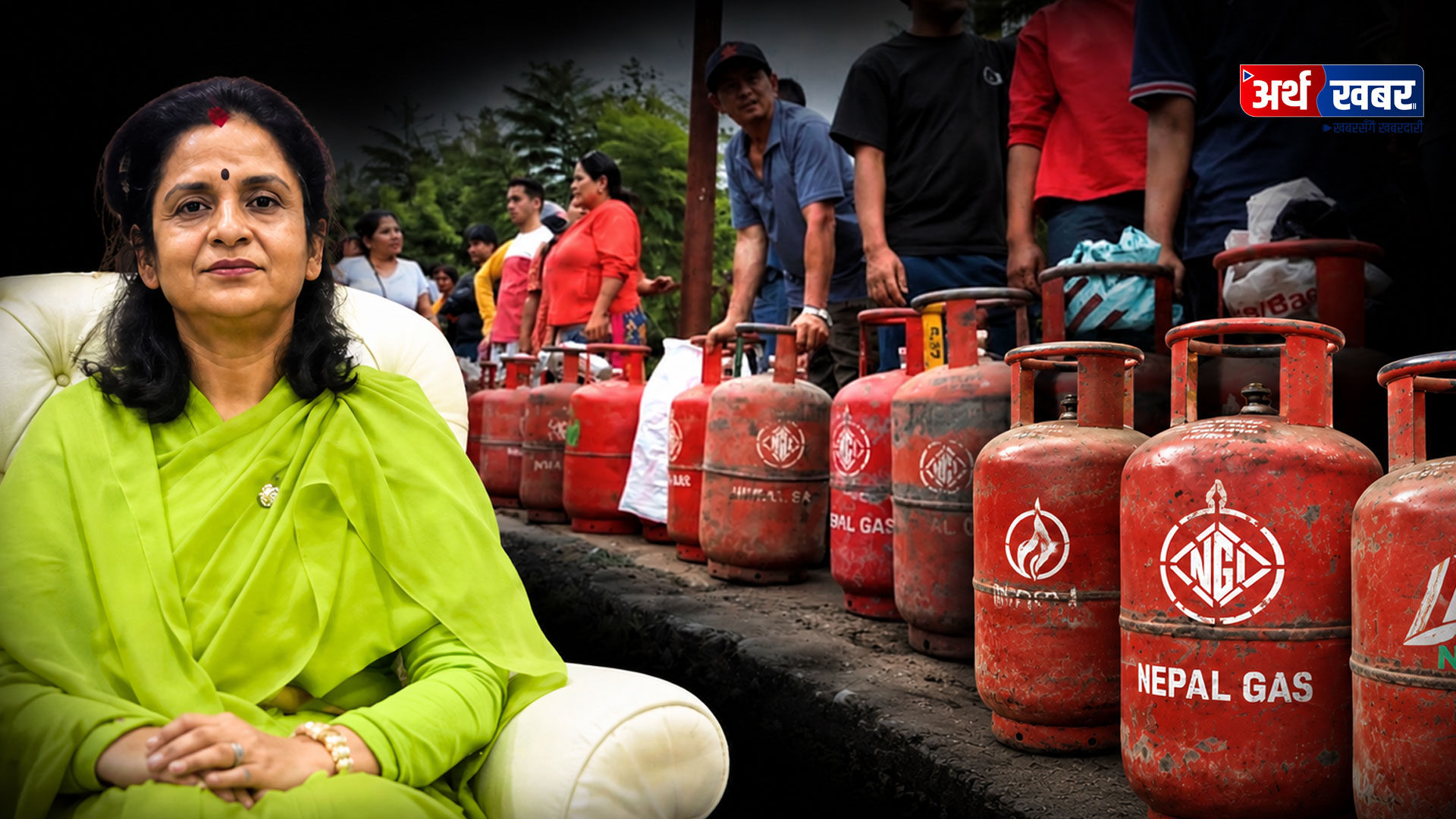


Gas industry not sending enough cylinders to Kathmandu: Industry Minister
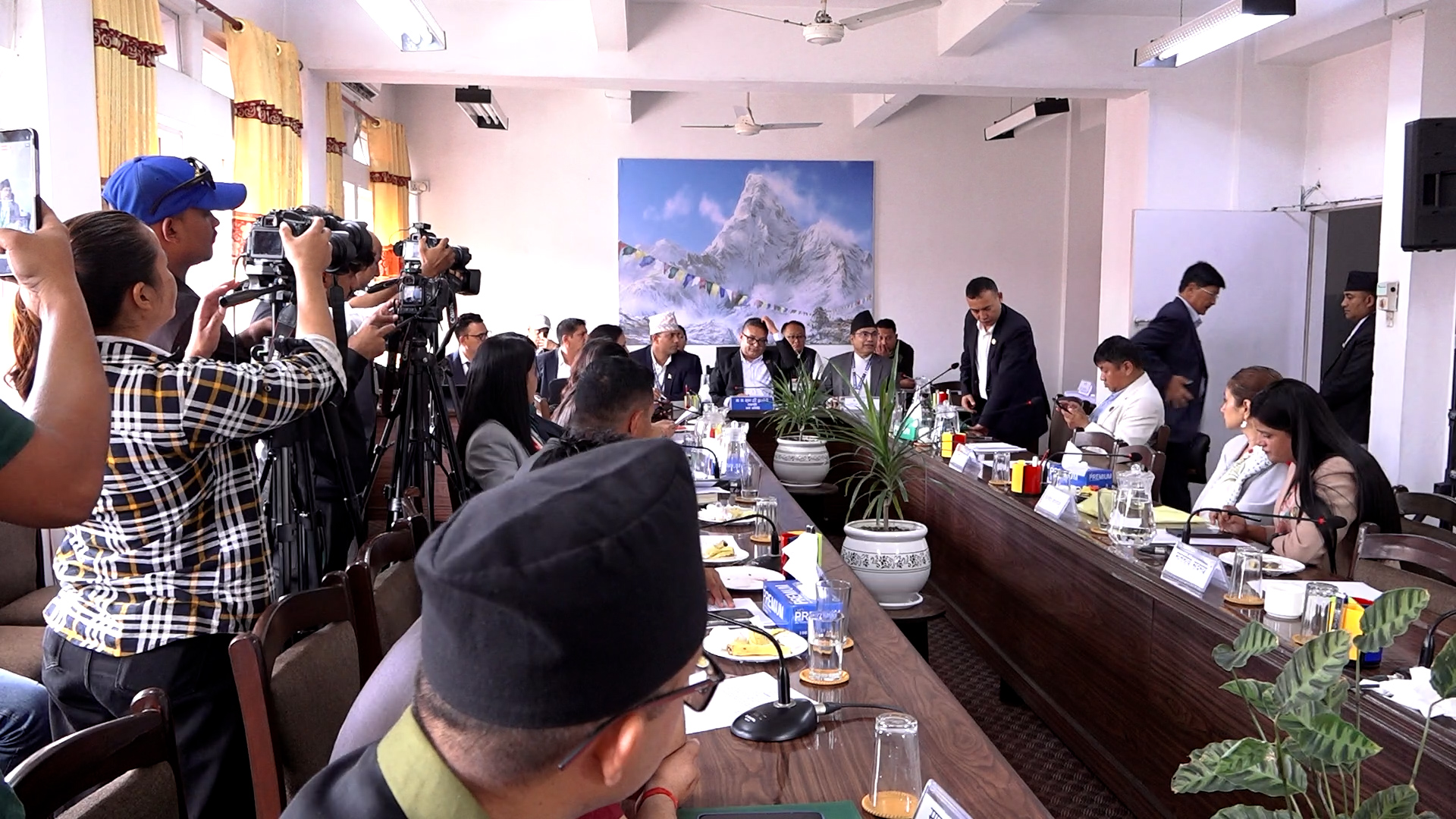
Kathmandu The meeting of the Industry, Commerce and Labour and Consumers Welfare Committee discussed the management of the supply of daily essentials. In the meeting held on Wednesday, Minister for Industry, Commerce and Supplies Gauri Kumari Yadav apprised the committee about the problems seen in the management of the supply of gas and sugar in the market.
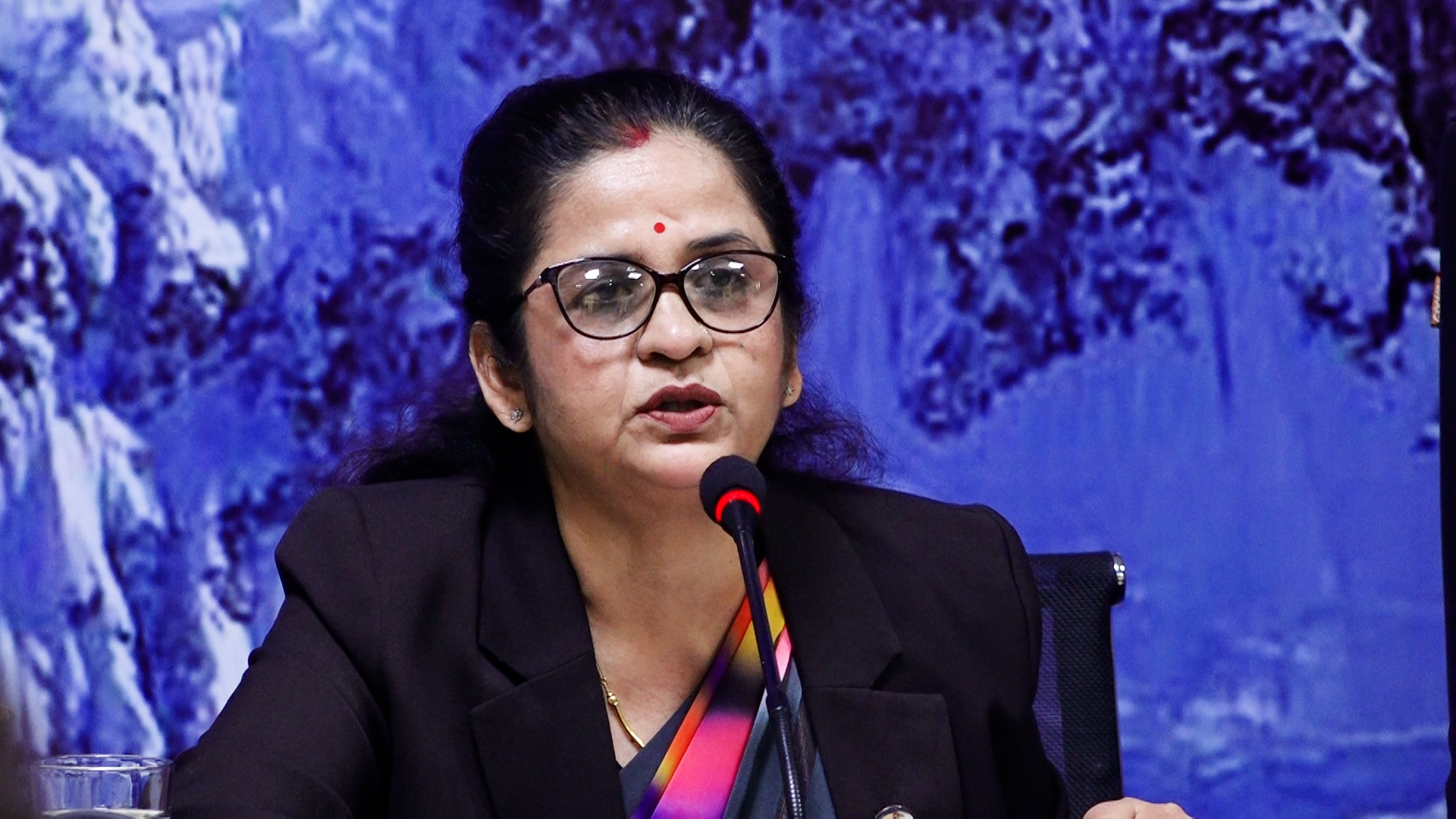
Minister Yadav said that although there are 58 gas industries in operation in Nepal, none of them are owned by the Nepal Oil Corporation. He said that the problem is due to the non-supply of cylinders to Kathmandu by the gas industries run by the private sector.
She said, “We have 58 gas industries, but none is vested in the Nepal Oil Corporation. We have given all of them to the private sector. All 58 have been given to the private sector. However, if those 58 gas industries had sent only 3,000 cylinders to Kathmandu every day at the rate of 3,000 to 3,000 cylinders, this situation would not have arisen today. But no one sends it. “
Minister Yadav questioned that out of the large quantity of gas that is said to have been sent to Kathmandu, very little has actually reached the market.
“Yesterday, we have sent 45,000 cylinders to Kathmandu, but no one has received more than 19,000, 20,000 cylinders here. Yesterday, 48,000 cylinders left for Kathmandu, but more than 19,000 have not gone. Where did that cylinder go? Nobody knows anything,” she said.
Stating that the government needed clear guidelines for the management of gas supply, she complained that the government could not take effective steps due to legal limitations.
‘If we ask for it within the law, we will not get anything, even if it is the government. The Oil Corporation may have written 10 times, but not even once. If it goes against the law again, the government will start saying the same thing. What should we do now? You also give instructions, we will do it accordingly,” said Minister Yadav.
Minister Yadav said that Nepal should be self-reliant in oil, gas, clothes, food grains and sugar in the coming days.
She also said that the government has intensified market monitoring targeting the festivals. She said that the Food Management and Trading Company Limited will provide a discount of Rs 5 per kg on the sale of Nepal Foods brand food from 193 locations in 44 districts.
Minister Yadav said that permission has been received to import 22,500 metric tonnes of sugar through Salt Trading Corporation and 2,500 metric tonnes through Food Management and Trading Company to ease the supply of sugar. According to him, although there have been complaints that the price of sugar is not less than Rs 150 in the market, the government corporations are selling it at Rs 105 to Rs 109.
“At present, it is heard that the price of sugar is not less than Rs 150 in the market. But we are selling it at Rs 109 from the Food Corporation and it is also Rs 105 from Salt Trading, it is also Rs 109. If it is more than that, it will be liable to action,” she said.
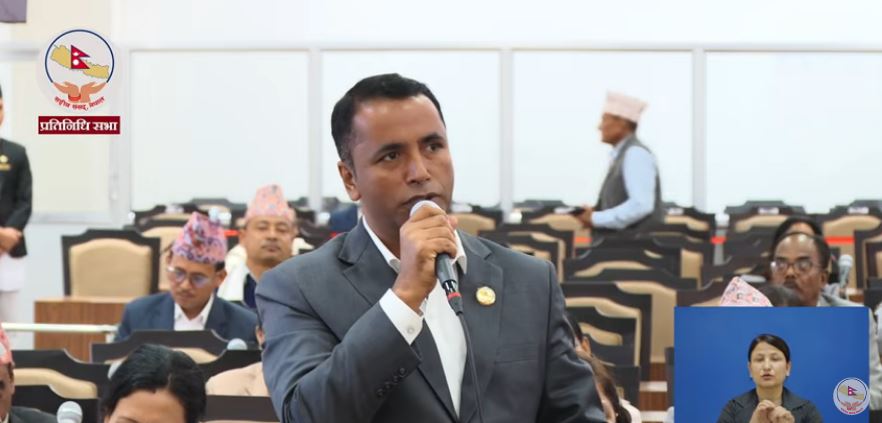
Similarly, committee chairman Rahbar Ansari has sought an explanation from the government on the issue of price hike in sugar. He recalled that he had alerted the government about the supply and price of sugar a few months ago.
Ansari said, “Two days ago, when I understood the price of sugar in the market in Birgunj, they said Rs 130. The honorable minister himself is saying 105, 106, which is more than the price committed 3 months and 20 days ago.” He claimed that if sugar could be imported from abroad on time, there would be no current problem.
“If we had imported 50,000 to 60,000 metric tons of Thailand, Brazil and other countries three months and 20 days ago, we would not have been in such a situation today,” Ansari said. He also questioned the reason behind the rise in the price of sugar in Nepal in a short span of time.
‘Why the stock then, the sugar of that time, has gone from Rs 85 plus VAT to Rs 106 now? Did diamonds and pearls grow in the sacks of sugar in these 3 months and 20 days?’ he asked.
Ansari said that the government should give priority to the welfare of consumers along with the development of industries and businesses. He said that while monitoring the market and taking action, it should be done only after evaluating the facts and situation.
Giving an example of the monitoring of gas stocks, he said, “If a five-star hotel has 17 cylinders lined up, another 150 cylinders are kept in the backup, there was no reason to go to action on it. Because there are only 17 lines for it.
He said that there is a need to strike a balance between protecting the industrialists and businessmen and ensuring the welfare of the consumers.
“We want the industry to flourish, we want the business to flourish. But at the same time, we have given priority to the interests of the consumers. We have to pay attention to that too,” Ansari said.



 प्रतिक्रिया दिनुहोस्