

Congress policy to increase domestic production by reducing imports
Kathmandu. The Nepali Congress has put forward an economic policy to increase domestic production and productivity by changing the structure of the economy dependent on imports. The proposal of the Congress has given priority to building a domestic production-based economy to achieve high, sustainable and inclusive economic growth.
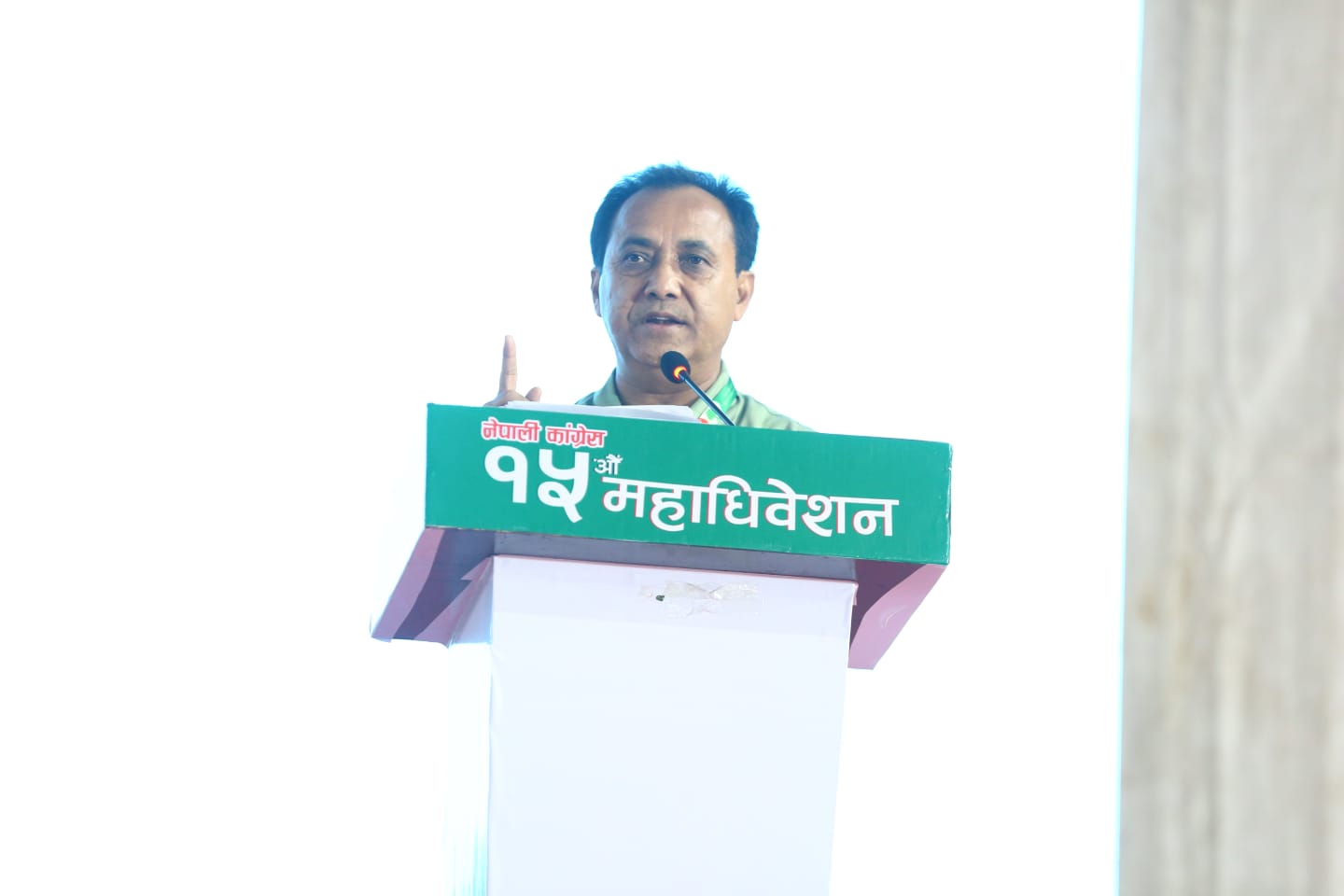
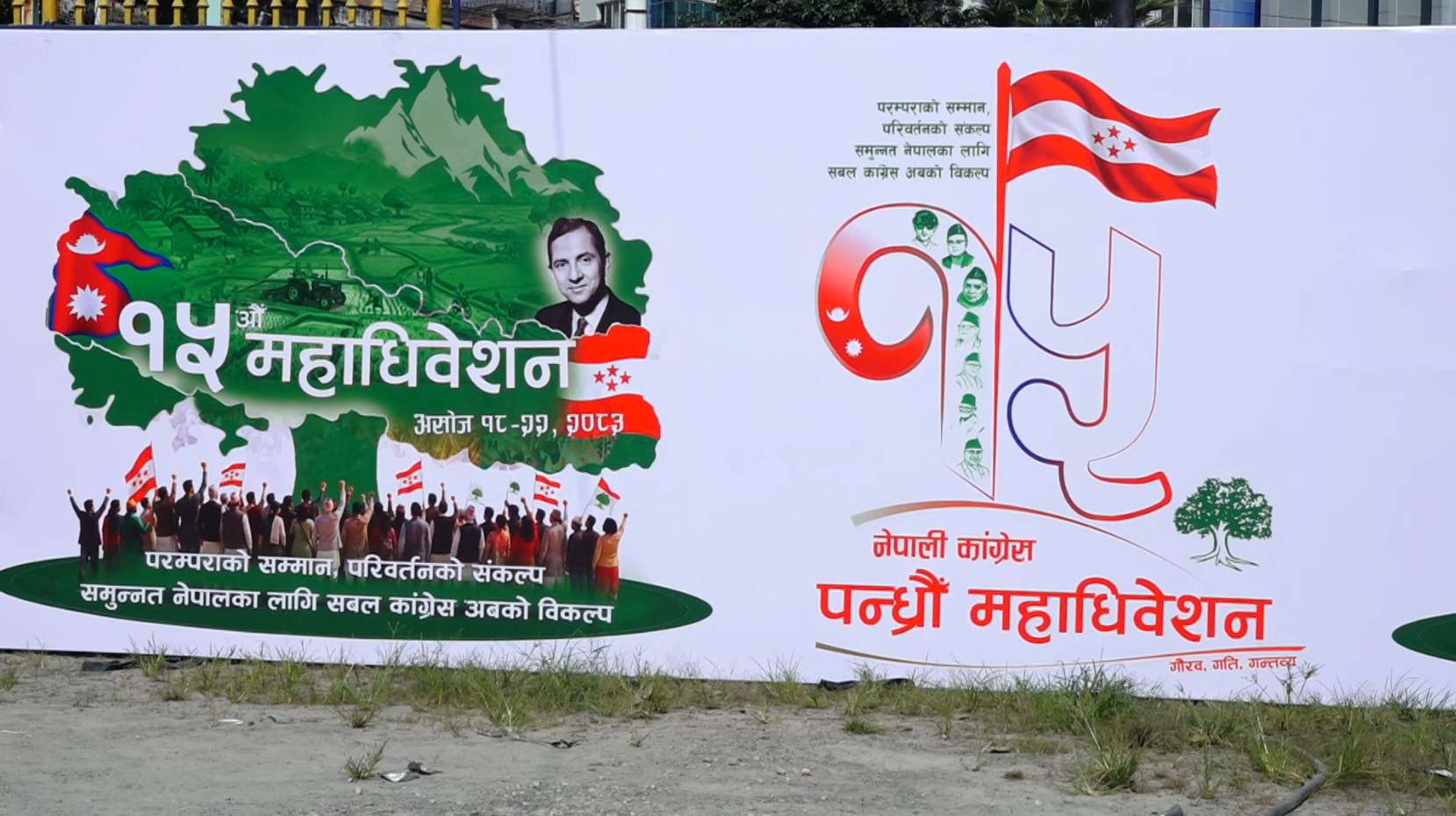
The ‘National Renaissance and Prosperity’ proposal presented for the 15th General Convention of the Nepali Congress has included poor productivity and import dependence among the major challenges seen in Nepal’s economy.
The proposal states that a new model of economic development is needed to address these problems along with the gap in access to technology and resources and the responsibility of increasing social security.
The Congress has proposed an economic approach that combines market dynamics and efficient regulation of the state rather than increasing the direct control of the state in the traditional way. It believes that the market will create production, wealth and employment, and the state will ensure the capacity development of citizens, equal opportunities and social justice.
The proposal proposes to establish the private sector as the main driver of prosperity. It has been proposed to create policy stability, healthy competition and investment-friendly environment to increase private investment and limit the government to the role of an efficient and transparent regulator. The Congress has considered the production-oriented economy as one of the three main pillars of economic policy. It states that domestic production-based economic growth will be prioritized to achieve high, sustainable and inclusive economic growth.
This shows the policy direction of the Congress to move from an import-dependent consumer-oriented structure to an economy that creates production and jobs.
The Congress has also put forward the entrepreneurship of the youth as the basis for the expansion of domestic production. The proposal states that the youth will not only be workers in the labour market but also the real partners in innovation, entrepreneurship and wealth creation.

 प्रतिक्रिया दिनुहोस्