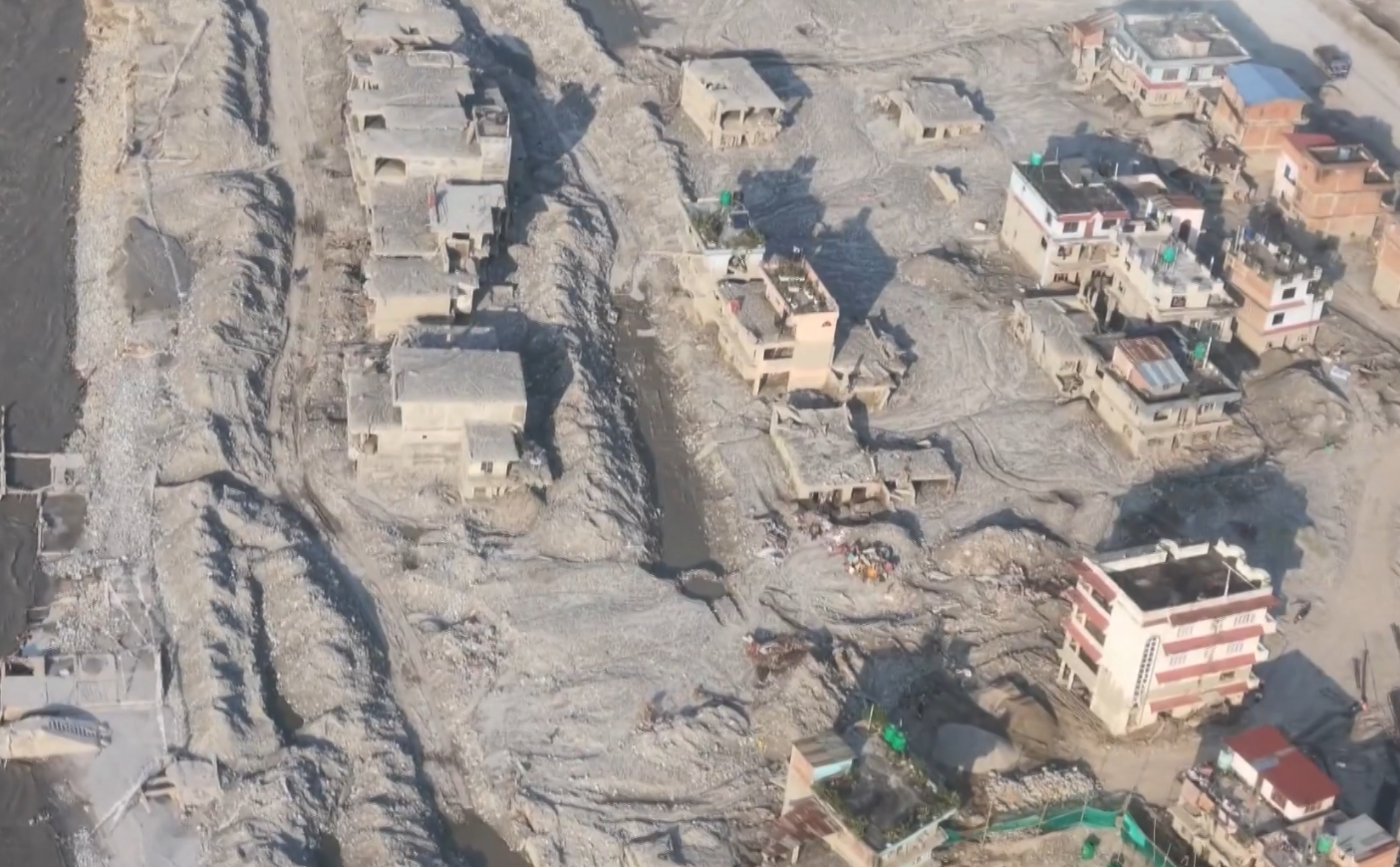


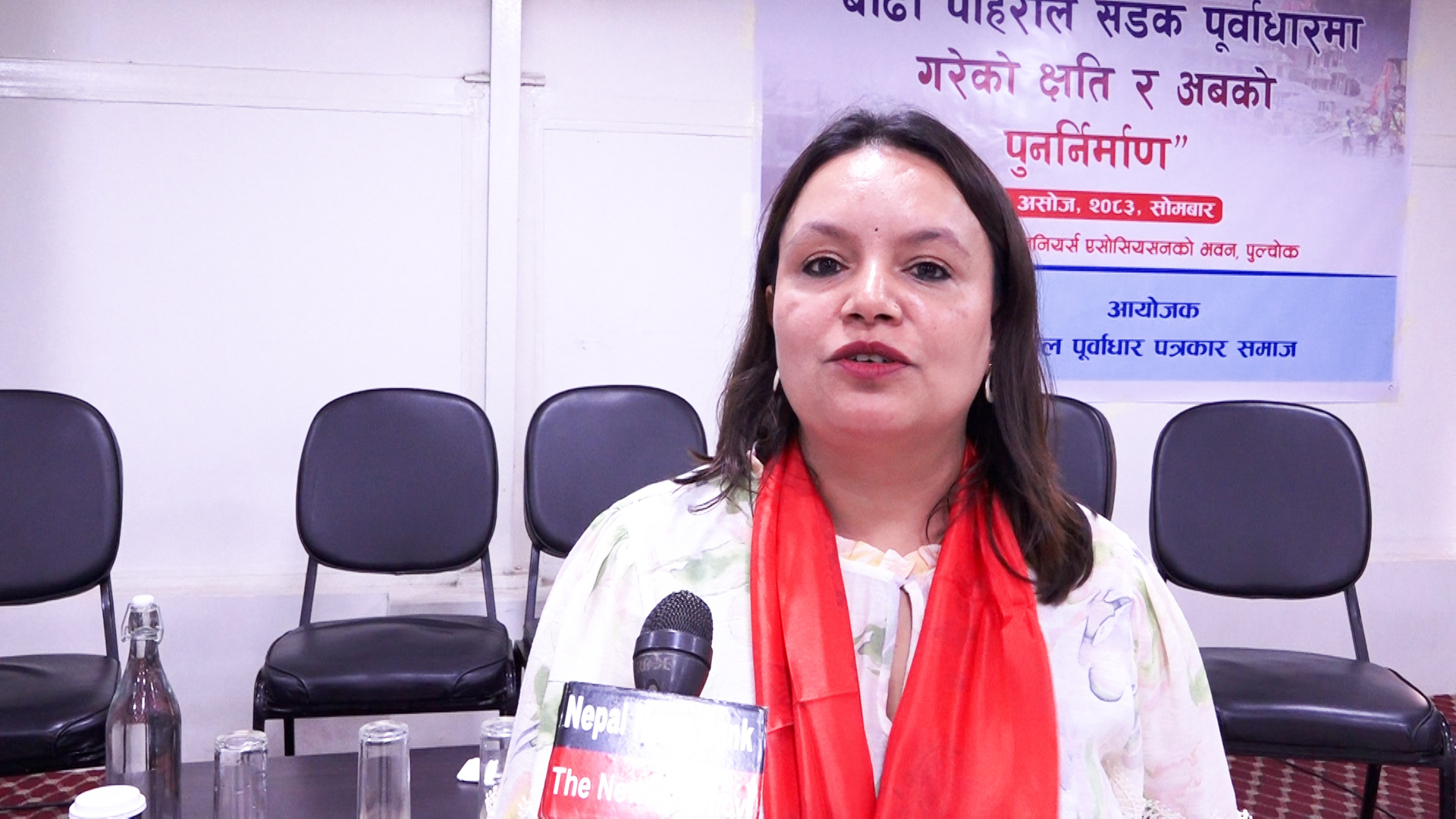
Government should be serious about building disaster-resistant infrastructure: Chairperson Karki Sunita Karki, chairperson of Nepal Infrastructure Journalists’ Society, said that the government should coordinate with the concerned experts and stakeholders while reconstructing the roads and bridges damaged by floods and landslides. Speaking at an interaction program organized on the damage caused to the road infrastructure by floods and landslides and the reconstruction of the road in the future, Karki said that the roads and bridges are directly related to the daily life of the people and the damage will cause the communication of the related areas to be cut off along with the traffic. She stressed on the need to take forward the reconstruction works in consultation with engineers, geotechnical experts, Nepal Engineers’ Association and other stakeholders rather than taking decision only from the center.
“The government should not only sit at the center while reconstructing the road. We should move forward by listening to all the stakeholders including the concerned engineers, experts of geotech,” Karki said.
She said that the damage to roads and bridges will not only affect the movement of local residents. Karki said that the risk of climate change and natural disasters should be taken into consideration from the design stage of infrastructure construction.
“We need to work on how to build resilient infrastructure from the beginning,” she said.
The Society of Nepalese Infrastructure Journalists (FIBJ) has organized an interaction program on the topic ‘Damage caused to road infrastructure by floods and landslides and reconstruction of roads’ for the first time after the recent big floods, Karki said. On the occasion, Director General of the Department of Roads, Bijay Jaisi, presented a working paper on the situation of damage to roads and bridges due to floods and landslides. He said that about Rs 53 billion would be required for the reconstruction of damaged road infrastructure. On the occasion, the program also shared the damage caused by floods in Rasuwa and other areas, the works carried out for reconstruction and the alternative route to be constructed after the Krishna Bhir road collapsed. Karki said that in the coming days, she will continue the interaction program related to infrastructure and disasters in coordination with the concerned bodies including the Nepal Engineers’ Association. He said that the role of infrastructure journalists is important in disseminating accurate and reliable information to the people during the time of disaster.



 प्रतिक्रिया दिनुहोस्